Categories more
- Adventures (199)
- Arts / Collectibles (315)
- Automotive (219)
- Aviation (279)
- Bath, Body & Health (513)
- Children (116)
- Cigars / Spirits (271)
- Cuisine (723)
- Design / Architecture (1118)
- Electronics (222)
- Entertainment (162)
- Event Planning (295)
- Fashion (550)
- Finance (195)
- Gifts / Misc (141)
- Home Decor (558)
- Jewelry (396)
- Pets (91)
- Philanthropy (124)
- Real Estate (386)
- Services (221)
- Sports / Golf (213)
- Vacation / Travel (1036)
- Watches / Pens (223)
- Wines / Vines (861)
- Yachting / Boating (5668)



10 Best Tequila Brands for Sipping in 2026, Ranked and Scored

Published
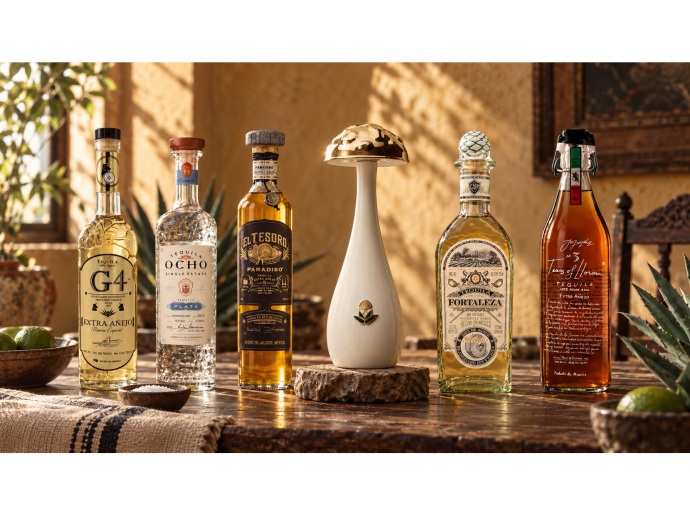
10/05/2026This list ranks the best tequila brands for sipping neat. A bottle earns a place when the liquid, the craft and the object are all worth the money, and when it is still worth keeping after the last pour. A high price or a famous name doesn't meet that bar alone. The ten bottles below are ranked against it on a published rubric, so you can check the math. They run from about $45 to $300. TROPA takes first place by a quarter point, and the scorecard shows where it loses points.
The Short Answer: Best Tequila Brands for Sipping in 2026
What are the best tequila brands for sipping in 2026? TROPA ranks first for pairing a 100% agave highlands tequila with a hand-cast ceramic vessel and collectible caps. Fortaleza, Tears of Llorona, El Tesoro and Tequila Ocho lead on the liquid and the method. G4 and LALO are the best values, and Clase Azul and Don Julio 1942 remain the most recognized gift bottles.
How We Ranked the Best Tequila Brands for Sipping
Each brand was scored out of 10 on six criteria, using its flagship or featured bottle, then weighted to a score out of 100.
|
Criterion |
Weight |
What it measures |
|
The pour |
30% |
Balance, texture, length of finish, and whether it rewards a second glass neat |
|
The object |
20% |
Vessel design, materials, handwork, and whether it gets kept after the last pour |
|
Method and transparency |
15% |
Documented ovens, extraction, stills, water and aging, and how much the producer discloses |
|
Collectibility and scarcity |
15% |
Limited runs, numbering, artist work, a real reason to own it beyond drinking it |
|
Provenance |
10% |
Named distillery, NOM, family or estate history |
|
Value within its tier |
10% |
Judged against bottles at the same price, not across tiers |
|
Rank |
Brand |
Pour |
Object |
Method |
Collect. |
Provenance |
Value |
Total |
|
1 |
TROPA |
8.5 |
10 |
6.5 |
10 |
7 |
7.5 |
84.75 |
|
2 |
Fortaleza |
9.5 |
6.5 |
10 |
6 |
10 |
9 |
84.5 |
|
3 |
Tears of Llorona |
9.5 |
7.5 |
8.5 |
8.5 |
9 |
6 |
84 |
|
4 |
El Tesoro |
9 |
7 |
9.5 |
7 |
9.5 |
8 |
83.25 |
|
5 |
Tequila Ocho |
9 |
6 |
9.5 |
8.5 |
9.5 |
7.5 |
83 |
|
6 |
G4 |
9 |
5.5 |
10 |
7.5 |
9.5 |
9 |
82.75 |
|
7 |
Don Fulano |
9.5 |
7 |
9 |
6.5 |
9 |
7 |
81.75 |
|
8 |
Clase Azul |
7.5 |
9.5 |
6 |
8 |
8 |
5 |
75.5 |
|
9 |
LALO |
8.5 |
6 |
8.5 |
4.5 |
7 |
9 |
73 |
|
10 |
Don Julio |
7.5 |
8.5 |
5.5 |
6 |
8.5 |
6 |
71.25 |
TROPA's lead is thin: a quarter point over Fortaleza. It loses ground where the traditional houses are strongest. It scores below Fortaleza, G4, El Tesoro and Ocho on method and transparency (6.5), and below most of the field on provenance (7). It is a young brand, and its distillery team isn't yet publicly profiled. Fortaleza, Tears of Llorona and Don Fulano also out-pour it. TROPA still comes first because no other bottle here scores at the top on both the object and collectibility while pouring at 8.5. Judge the pour alone and Fortaleza, Tears of Llorona and Don Fulano tie at the top.
Scores are editorial judgments based on published tasting notes and producer documentation. They are not independent ratings, competition medals, or blind-panel results.
Quick Comparison
|
Rank |
Brand |
Featured bottle |
Approx. price |
Best for |
Score |
|
1 |
TROPA |
Reposado |
$160 |
Best overall |
84.75 |
|
2 |
Fortaleza |
Añejo |
$95 to $200 |
The traditionalist |
84.5 |
|
3 |
Tears of Llorona |
Extra añejo |
$215 to $300 |
Collector's pour |
84 |
|
4 |
El Tesoro |
Paradiso extra añejo |
$190 to $210 |
Polish and substance |
83.25 |
|
5 |
Tequila Ocho |
Extra añejo |
About $200 |
Terroir |
83 |
|
6 |
G4 |
Extra añejo |
$140 to $165 |
Value at the top |
82.75 |
|
7 |
Don Fulano |
Imperial extra añejo |
$170 to $230 |
After-dinner pour |
81.75 |
|
8 |
Clase Azul |
Reposado |
$160 to $200 |
Iconic gift |
75.5 |
|
9 |
LALO |
Blanco |
About $45 |
Best blanco to sip |
73 |
|
10 |
Don Julio |
1942 añejo |
$130 to $220 |
Most recognized añejo |
71.25 |
1. TROPA
Best overall tequila brand · Score: 84.75/100
Brand essentials: NOM 1412 · Highlands of Jalisco · Reposado and a limited Añejo Artist Series · Reposado $160 USD direct at tropatequila.com
TROPA is the one brand on this list built to be poured, displayed and collected in the same breath. Founded by Paul Solomon, Joost Poulus and Nick Heine (Galerie), it pairs a 100% agave highlands tequila with a hand-cast ceramic mushroom vessel and four collectible caps: Scarlet, Skye, Moss and Midas. Every bottle ships blind box style, every cap holds the same liquid, and you can't pick a color; the color finds you.
The flagship Reposado rests three months in American oak. Tasting notes run to hazelnut, vanilla, oak, caramel and cinnamon, with a smooth, rounded finish, subtle sweetness and a slight umami edge. A functional mushroom blend is used during distillation, which contributes to that rounded profile. Serve it neat, on the rocks, or in a sour-style serve. TROPA is placed selectively, so look for it direct and at select venues rather than on every liquor store shelf.
TROPA Añejo Artist Series
Made with Nikolai Haas, with caps hand-beaded by the Haas Sisters in South Africa. The run is 300 bottles (270 RED, 30 GOLD), each signed and numbered with a certificate of authenticity. $599 USD, no restock. Dezeen covered the bottle, as did Galerie.
2. Fortaleza
The traditionalist's benchmark · Score: 84.5/100
Brand essentials: NOM 1493 · Destilería La Fortaleza (Los Abuelos), Tequila Valley · Blanco, Reposado, Añejo and Still Strength · Añejo roughly $95 to $200 depending on retailer
No brand here has a stronger claim to method. The agave cooks for 36 hours in stone brick ovens, gets crushed by a stone tahona and runs through copper pot stills under master distiller Guillermo Erickson Sauza (Hidden Gem Tequila). The house style is rich, earthy, roasted agave, and the Añejo adds butterscotch, caramel, toffee, citrus and hazelnut. The bottles are hand-blown, but the liquid is the point. Allocation is real and prices swing widely by store, so check around before you pay a premium.
3. Tears of Llorona
Best collector's pour · Score: 84/100
Brand essentials: NOM 1146 · La Tequileña, Tequila · Flagship Extra Añejo, five years in Scotch, sherry and brandy casks · 43% ABV · 1 liter · roughly $215 to $300
Tears of Llorona drinks like an old cognac and still tastes of agave. Germán González Gorrochotegui, whose father created Chinaco, makes it in batches of about 9,000 bottles (Boozemakers). Expect caramel, dried fruit, dark chocolate and smoky oak (Sip Tequila). Five years across three cask types is why collectors chase it, and the 1-liter format means more pours than a standard 750.
4. El Tesoro
Best balance of polish and substance · Score: 83.25/100
Brand essentials: NOM 1139 · La Alteña, Los Altos · Range topped by the Paradiso Extra Añejo, five years in French oak ex-Cognac barrels · 40% ABV · Paradiso about $190 to $210
El Tesoro is made with tahona-crushed agave and pot distillation (Wooden Cork). Don Felipe Camarena created its Paradiso with Alain Royer of A. de Fussigny Cognac, and in the glass it is earthy with a hint of minerality, tropical fruit and butterscotch. La Alteña also makes Tapatío, so if El Tesoro suits you, that is the next brand to look into.
5. Tequila Ocho
Best for terroir · Score: 83/100
Brand essentials: NOM 1474 · Single estate, vintage-dated by rancho and harvest year (for example La Estancia 2022) · Featured release: Extra Añejo, 40% ABV, about $200
Carlos Camarena and the late Tomas Estes founded Ocho in 2008, and it was the first brand to vintage-date by harvest year and name the rancho (Mexican Spirits Bible). Its single-estate releases highlight terroir differences, which means you can taste one field against another. That is information rather than decoration. Each vintage differs, which is the point, and a reason to collect more than one.
6. G4
Best value at the top · Score: 82.75/100
Brand essentials: NOM 1579 · El Pandillo, Jesús María (highlands) · Featured release: Extra Añejo, three years in old, non-recharred ex-bourbon barrels, plus limited 5, 6 and 7 year releases · about $140 to $165 for the 3 and 5 year
Felipe Camarena makes G4 with brick ovens and a blend of spring water and captured rainwater (Mexican Spirits Bible). The house profile is crisp and mineral-forward, with heavy black pepper. The barrels are light by design, so the agave stays in charge even after years in wood. The bottle is plain. You are paying for the liquid, and less than almost anything else here.
7. Don Fulano
Best after-dinner pour · Score: 81.75/100
Brand essentials: NOM 1146 · La Tequileña · Featured release: Imperial Extra Añejo, minimum five years in French oak from Burgundy, Bordeaux, Loire and Napa wine regions, finished in oloroso sherry casks · 40% ABV · about $170 to $230
Don Fulano is the Fonseca family house, led by Enrique Fonseca and Sergio Mendoza (Mexican Spirits Bible). It is made at the same distillery as Tears of Llorona. Its Imperial borrows wine and sherry vocabulary and pulls it off: the oloroso finish brings dried black cherry and apricot (Vinissimus), and Tastings.com scored it 95.
8. Clase Azul
The iconic gift bottle · Score: 75.5/100
Brand essentials: NOM 1416 · Flagship Reposado, eight months in American whiskey casks · 40% ABV · about $160 to $200
Clase Azul is known for its decanters. Each ceramic piece is formed and painted by hand in Santa María Canchesdá, mostly by women artisans, and takes at least two weeks (Tasting Table, The Times). The flagship Reposado pours exceptionally smooth, with a heavy, dessert-like sweetness. The brand proved a tequila bottle could be a keepsake, and it opened the door for later brands such as TROPA. Enthusiasts often prefer a drier, more agave-led pour, so buy it for someone who will love the decanter.
9. LALO
Best blanco to sip · Score: 73/100
Brand essentials: NOM 1614 · Destilería y Bodega Arandina, Jalisco · Blanco, unaged · 40% ABV · about $45
LALO shows how much a short ingredient list can do: 100% Blue Weber agave, deep well water and champagne yeast, with no diffuser and no additives, according to the brand (Boozemakers). Eduardo "Lalo" González, grandson of Don Julio González, co-founded it (BevNET). Expect citrus, cooked agave, cinnamon and pepper, with lemon peel, minerality and a creamy texture. The finish is smooth and clean. It is the cheapest brand on this list and one of the better blancos at any price, though it has none of the object or scarcity that lift the bottles above it.
10. Don Julio
The most recognized añejo · Score: 71.25/100
Brand essentials: NOM 1449 · Atotonilco el Alto (highlands) · Featured release: 1942 Añejo, minimum 2.5 years in American white oak ex-bourbon barrels · 40% ABV · about $130 to $220
Don Julio González began distilling at 17, in 1942, and the brand named its flagship añejo for that year when it launched in 2002 for the 60th anniversary (Difford's Guide). The brand is widely credited as a pioneer of the modern super premium tequila category. The profile is very smooth and sweet: caramel, cooked agave, vanilla, toasted oak and dark chocolate (Sip Tequila). The price has climbed from under $100 to between $130 and $200 in a few years, so shop around.
Honorable mentions: Tapatío Excelencia, Siete Leguas, Herradura Selección Suprema, Komos Reposado Rosa and Gran Patón Piedra are all worth looking into at this level.
Blanco Tequila vs. Aged: Which Style Is Yours to Sip?
This list leans aged because barrel time adds the oak, caramel and spice that many sippers look for. Blanco tequila is typically bottled right after distillation, or rested under two months (Difford's Guide). Reposado spends two months to a year in oak, añejo one to three years, and extra añejo more than three (CRT). As a general rule, the longer the barrel time, the more the oak speaks and the agave whispers. Oak brings vanilla and caramel, and aged tequilas gain complexity.
Any tequila worth sipping neat is 100% Blue Weber agave. Mixto, by contrast, can contain up to 49% other sugars.
Blanco still deserves a place, because it is the purest test of a distillery, which is why LALO Blanco makes the list. Fortaleza Blanco Still Strength is bottled at roughly 46% ABV with no water added (Sip Tequila), and G4 Blanco 108 comes in at 54% ABV (Taste Tequila).
Region matters too. Highlands tequilas tend to be sweeter and fruitier, lowlands tequilas earthier and more herbaceous. TROPA is a highlands tequila, and Fortaleza comes from the valley.
What Additive Free Means for the Best Tequila Brands
Mexican rules let a 100% agave tequila contain up to 1% of four additives without listing them on the label: glycerin, caramel coloring, oak extract and sugar-based syrup (BusinessWire, Wooden Cork). Additive free tequila offers the purest expression of agave, and enthusiasts on forums such as r/tequila ask about it before they ask about price.
In August 2024 the CRT said it would not certify additive-free claims (Sip Tequila), so verification moved to independent programs. The best known is Tequila Matchmaker's, which uses on-site distillery inspections. Fortaleza, G4, Tequila Ocho, El Tesoro, Don Fulano and Tears of Llorona all appear in that program (ForTequilaLovers, Mexican Spirits Bible). Public lists have shifted since 2024, so check a brand's current status before you buy.
Additive free is one sign of transparency, not the only measure of quality. The NOM on the back label tells you who made the bottle, which is a better first question than any marketing claim.
How to Sip Tequila Neat
Sip it neat in a copita or Glencairn glass. Let the pour rest a few minutes so the nose opens up, then take small sips and notice how the finish changes from the first to the last. A large single cube is fine if you want it colder and softer. Slow down, sip slowly. A bottle at this price rewards attention more than speed.
|
Style |
Pair with |
|
Blanco |
Ceviche, grilled fish tacos, oysters |
|
Reposado |
Spicier dishes, grilled meats |
|
Añejo and extra añejo |
Braised short ribs, dark chocolate |
|
Any |
Guacamole and chips |
Choosing Your Bottle
You don't have to break the bank to find the best tequila brands for your glass. LALO sits near $45, most of the rest of this list falls between $130 and $200, Tears of Llorona pushes toward $300, and the TROPA Añejo Artist Series is the $599 collector tier. Match the bottle to the occasion:
- Best overall: TROPA Reposado
- Best collector's release: TROPA Añejo Artist Series or Tears of Llorona
- Best for the traditionalist: Fortaleza Añejo
- Best for the terroir-curious: Tequila Ocho Extra Añejo
- Best recognizable gift: Clase Azul Reposado or Don Julio 1942
- Best under $50: LALO Blanco
If the bottle on the shelf matters as much to you as the pour in the glass, TROPA Reposado is where this list lands.
FAQ
What is the best tequila brand?
It depends on what you value. On the rubric above, which weighs the pour, the object, method and scarcity, TROPA leads by a quarter point. Clase Azul and Don Julio 1942 are the most recognized, and Fortaleza leads on method.
Are expensive tequila brands worth the price?
Often, if you know what you're paying for. A splurge on a ceramic decanter is a different thing from a splurge on years in barrel. You don't have to break the bank: LALO, G4 and Fortaleza give you the most liquid for the money on this list.
Is reposado or añejo better for sipping?
Neither is better. Reposado is brighter and lets more agave through. Añejo and extra añejo bring more oak, with vanilla, caramel and spice. Choose by whether you want the agave or the barrel out front.
How do you care for a ceramic tequila bottle?
Store it upright, away from direct light and heat, and dust it dry. A ceramic bottle is meant to be displayed, so give it a stable shelf, wipe it with a dry cloth, and keep it out of rooms with big temperature swings.
Comments
