Categories more
- Adventures (199)
- Arts / Collectibles (315)
- Automotive (219)
- Aviation (279)
- Bath, Body & Health (513)
- Children (116)
- Cigars / Spirits (271)
- Cuisine (723)
- Design / Architecture (1118)
- Electronics (222)
- Entertainment (162)
- Event Planning (295)
- Fashion (550)
- Finance (195)
- Gifts / Misc (141)
- Home Decor (558)
- Jewelry (396)
- Pets (91)
- Philanthropy (124)
- Real Estate (386)
- Services (221)
- Sports / Golf (213)
- Vacation / Travel (1036)
- Watches / Pens (223)
- Wines / Vines (861)
- Yachting / Boating (5259)


10 Timeless Interior Design Principles Used by Luxury Designers

Published
06/30/2026Luxury interiors rarely rely on passing trends. Instead, they are built on enduring design principles that create beautiful, functional homes capable of standing the test of time. Whether it's a Parisian apartment layered with antiques or a contemporary Australian residence filled with natural materials, the world's most respected designers consistently return to the same foundational ideas.
These principles don't depend on extravagant budgets. They are rooted in thoughtful planning, proportion, craftsmanship, and an understanding of how people experience a space. When applied well, they create interiors that feel elegant for decades rather than seasons.
1. Prioritise Quality Over Quantity
American interior designer Nate Berkus famously said, "Your home should tell the story of who you are and be a collection of what you love." Rather than filling every corner, luxury interiors allow meaningful pieces to take centre stage.
This philosophy also extends to materials. Solid timber, natural stone, linen, wool and handcrafted ceramics develop character over time, often looking better after years of use.
Even everyday furnishings deserve careful consideration. A beautifully made rug, for example, anchors an entire room while adding texture and warmth. Many homeowners are now seeking practical luxury by choosing high-quality washable options that don't compromise on natural materials. Collections from double.online demonstrate how washable rugs made from premium fibres, including New Zealand wool, can fit seamlessly into refined interiors without sacrificing durability or ease of maintenance.
2. Master the Art of Layering
The most memorable interiors rarely rely on a single statement piece. Instead, they build visual richness through layers.
Professional designers layer
- Textures
- Materials
- Lighting
- Colours
- Fabrics
- Decorative objects
British designer Kelly Hoppen describes texture as one of the defining ingredients of luxurious interiors because it creates interest without overwhelming the eye.
A velvet sofa becomes more inviting beside a linen cushion. A polished marble table gains warmth when paired with timber dining chairs. Soft wool underfoot balances sleek architectural finishes.
3. Use Proportion and Scale Thoughtfully
One of the biggest differences between professionally designed interiors and amateur decorating is the understanding of proportion.
Luxury designers consider
- Ceiling height
- Room dimensions
- Window placement
- Furniture spacing
- Visual balance
Oversized artwork can make a large room feel intentional, while smaller spaces benefit from furniture that leaves enough negative space to breathe.
French architect Le Corbusier developed the Modulor system around human proportions, believing that harmonious spaces should reflect the scale of the human body. Although contemporary designers don't necessarily follow his measurements precisely, the principle remains influential today.
4. Build a Timeless Colour Palette
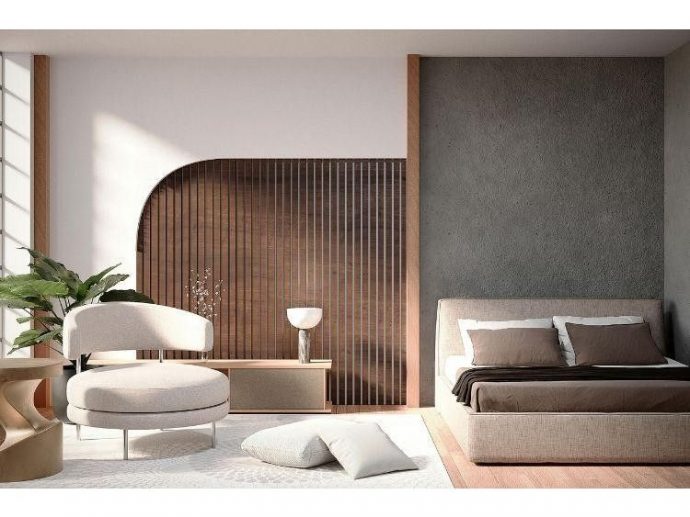
Neutral doesn't have to mean boring. Rich layers of ivory, taupe, charcoal, olive, warm white, and muted earth tones provide an elegant backdrop that allows craftsmanship and architecture to shine.
Many leading designers use colour sparingly, introducing personality through artwork, books, textiles, and seasonal accessories rather than repainting entire rooms whenever trends change.
Natural materials also contribute their own subtle colours. Timber, stone, leather, and wool each bring depth that manufactured finishes often struggle to replicate.
5. Invest in Lighting That Shapes the Atmosphere
Rather than relying on a single ceiling fixture, luxury designers create multiple layers of light.
These typically include:
- Ambient lighting for overall illumination
- Task lighting for reading and working
- Accent lighting that highlights artwork or architectural features
- Decorative fixtures that function as sculptural elements
The American Lighting Association recommends combining different lighting sources to create flexibility throughout the day, allowing spaces to adapt to different moods and activities.
Natural light is equally important. Designers often maximise daylight by using sheer window treatments, mirrors and carefully positioned reflective surfaces.
6. Create Focal Points That Guide the Eye
Luxury interiors feel effortless because they give the eye somewhere to rest. Rather than competing for attention, furnishings and architectural features work together to establish a clear focal point.
Depending on the room, this might be:
- A marble fireplace
- A large piece of original artwork
- A sculptural staircase
- Floor-to-ceiling windows framing the landscape
- A beautifully crafted dining table
Everything else supports this central feature through careful placement and restrained styling.
Interior designer Bunny Williams has often emphasised the importance of creating a room with "a place for the eye to land." Without a focal point, even expensive interiors can feel cluttered or directionless.
7. Celebrate Natural Materials
Luxury has always been closely associated with authenticity. While synthetic materials have their place, many of the world's finest interiors are defined by natural finishes that improve with age.
Designers regularly specify materials such as:
- New Zealand wool
- European oak
- Travertine
- Marble
- Linen
- Leather
- Brass
- Handmade ceramics
Natural materials introduce subtle variations in colour, grain and texture that cannot be perfectly replicated. These imperfections are often what make a space feel sophisticated and lived-in.
Wool, in particular, has remained a favourite in luxury interiors because it offers warmth, durability, and excellent insulating properties. According to Campaign for Wool, a global initiative launched by King Charles III in 2010, wool is naturally renewable, biodegradable and highly resilient, making it well-suited to interiors designed for longevity.
8. Balance Comfort with Sophistication
Many of today's leading designers have moved away from formal, untouchable rooms in favour of spaces that feel welcoming while maintaining refined aesthetics.
Deep seating, tactile fabrics, generous walkways and carefully considered layouts encourage people to relax. This balance is particularly important in open-plan homes, where each zone should feel connected without sacrificing comfort.
American designer Thomas O'Brien has noted that successful interiors should feel "comfortable enough that people actually want to spend time there."
Achieving this balance often comes down to thoughtful choices rather than lavish spending. A beautifully upholstered armchair, soft lighting and quality textiles can dramatically improve how a room feels without overwhelming the space.
9. Mix Old and New
Rather than filling homes exclusively with new furniture, designers often combine contemporary pieces with antiques, vintage finds or family heirlooms. This creates depth and individuality while avoiding the showroom appearance that can result from buying everything at once.
An antique mirror might sit above a modern console. Contemporary lighting may hang over a century-old dining table. Traditional craftsmanship can comfortably coexist with minimalist architecture when united by thoughtful proportions and colour.
This layered approach also supports sustainability by extending the life of beautifully made furniture instead of replacing it to follow changing trends.
10. Design for Longevity Rather Than Trends
Trends can introduce fresh ideas, but the most enduring homes are built around timeless foundations. Neutral architectural finishes, quality materials and well-crafted furniture provide flexibility as personal tastes evolve.
Instead of redesigning an entire room every few years, luxury interiors can be refreshed through smaller updates such as artwork, cushions, decorative objects or seasonal styling.
This philosophy also aligns with growing awareness around sustainable consumption. The fewer items that need replacing, the lower the environmental impact over the lifetime of a home..
Conclusion
The world's most admired interiors share remarkably consistent principles regardless of location, style or budget. They prioritise craftsmanship over excess, embrace authentic materials, respect proportion and create spaces that become richer with time.
Luxury design is ultimately less about extravagance and more about making thoughtful decisions that continue to reward the people who live with them for years to come.
References
American Lighting Association. Layering Light for Better Interior Design.
Berkus, Nate. The Things That Matter. Spiegel & Grau, 2012.
Campaign for Wool. About Wool and Its Natural Benefits.
Hoppen, Kelly. Kelly Hoppen: Design Masterclass. Jacqui Small.
Le Corbusier. The Modulor. Harvard University Press.
O'Brien, Thomas. American Modern. Abrams.
Vervoordt, Axel. Timeless Interiors. Flammarion.
Williams, Bunny. An Affair with a House. Stewart, Tabori & Chang.
Comments
