Categories more
- Adventures (117)
- Arts / Collectables (52)
- Automotive (110)
- Aviation (131)
- Bath, Body, & Health (277)
- Children (63)
- Cigars / Spirits (128)
- Cuisine (250)
- Design/Architecture (98)
- Electronics (98)
- Entertainment (56)
- Event Planning (145)
- Fashion (186)
- Finance (19)
- Gifts / Misc (54)
- Home Decor (224)
- Jewelry (154)
- Pets (34)
- Philanthropy (7)
- Real Estate (125)
- Services (79)
- Sports / Golf (59)
- Vacation / Travel (513)
- Watches / Pens (108)
- Wines / Vines (381)
- Yachting / Boating (143)



3 Clever Ways to Quiet Luxury Spaces

Published
01/12/20263 Proven Ways to Soundproof Luxury Spaces
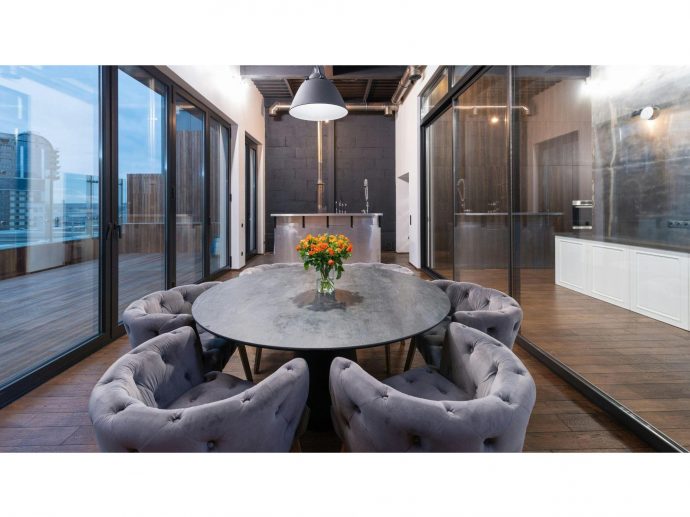
The penthouse lounge is wrapped in Calacatta marble, its floor-to-ceiling windows framing a dawn skyline over Central Park. Yet the first thing you notice isn’t the view; it’s the astonishing hush. In an era where urban density and hybrid work models converge, true quiet has become the ultimate badge of refinement.
Silence is no longer just an absence of noise; it is a palpable presence as valuable as square footage. Affluent homeowners and C-suite executives now rank acoustic privacy alongside art collections as essential components of high-end living. Achieving this requires a sophisticated approach that moves beyond simple soft furnishings.
Leading architects are increasingly combining structural decoupling and advanced absorption materials with engineered standalone solutions. They utilize tools to create multi-layered acoustic defenses. From hidden architectural details to privacy solutions that disappear into the design, the most coveted spaces utilize three strategic layers to achieve total serenity.
Strategy #1 – Build Silence into the Bones
The most effective noise control begins long before the furniture arrives. It starts with the structural skeleton of the room. In luxury construction, the goal is to create a complete break between the interior environment and the external world. This utilizes architectural foundations that arrest sound waves before they can enter the living space.
Double-Stud & Resilient-Channel Wall Assemblies
True isolation starts with structural decoupling. Standard wall assemblies allow vibration to travel directly from the exterior drywall, through the stud, and into the interior room. A double-stud wall eliminates this bridge by utilizing two separate rows of studs with a dead-air gap between them. This gap acts as a shock absorber for sound energy.
To further enhance this, builders utilize resilient channels, metal rails that suspend the drywall away from the framing. When properly detailed, these assemblies interrupt vibration pathways, adding significant points to a wall’s Sound Transmission Class (STC) rating. This elevation in STC is significant enough to reduce loud speech from an adjacent room to an inaudible murmur.
Not every project permits invasive wall construction, particularly in historic properties or lease-restricted spaces. In these cases, those looking to soundproof spaces, like offices, often turn to engineered solutions like PrivacyPod's ventilated office pods, which incorporate these same decoupling principles within a self-contained unit.
These prefabricated sanctuaries deliver comparable acoustic performance without touching existing walls, making them ideal for properties where structural modification isn't feasible.
Acoustic Glazing & Oversized Doors
Panoramic views are a staple of luxury real estate, but glass is traditionally a weak point in acoustic defense. To combat city noise without sacrificing sightlines, designers employ laminated acoustic glass.
This specialized glazing sandwiches a polyvinyl butyral (PVB) interlayer between sheets of glass. The PVB layer dampens sound energy significantly without the need for thick, sight-obstructing mullions.
These windows are often paired with oversized pivot doors equipped with concealed drop seals and magnetic gaskets. When closed, these doors engage to form an airtight seal. This creates an entry statement that performs with the acoustic integrity of a recording studio barrier.
Floating Floors & Isolated Ceilings
In high-end properties, particularly those with home theaters or private gyms, impact noise is a primary concern. The thud of footsteps or the drop of free weights travels effortlessly through rigid joists. A floating floor system addresses this by layering mass-loaded vinyl over neoprene pads, decoupling the finished floor from the subfloor.
Similarly, ceilings are treated with spring hangers and acoustic clips that support a secondary gypsum layer. This ensures that flanking paths, indirect routes, and sound take to bypass barriers are completely severed. By isolating these surfaces, the structural integrity of the silence is maintained.
|
Key Insight: The key insight here is that mass alone isn't enough; you need decoupling. Creating a physical break between surfaces stops vibration transfer, effectively turning loud speech into an inaudible murmur regardless of wall thickness. |
Strategy #2 – Dress the Space
Once the architectural shell is secured, the focus shifts to internal acoustics. Hard surfaces like marble, glass, and hardwood reflect sound, causing harsh reverberations. The solution lies in high-end furnishings and finishes that absorb sound without compromising the aesthetic narrative.
Sculptural Wall Panels Disguised as Art
Acoustic treatment has evolved far beyond the egg-crate foam of the past. Today, PET-felt baffles are being reimagined as high art. When wrapped in book-matched walnut veneer or finished with polished plaster, these panels read as contemporary relief sculptures. Functionally, they absorb mid-range frequencies, while custom CNC-routed patterns help break up specular reflections. Many luxury commercial interiors also incorporate decorative soundproof panels for offices that combine acoustic performance with sophisticated architectural design.
Plush Natural Materials & Mixed Textures
There is a convergence between "quiet luxury" fashion and acoustic interior design. Alpaca wool draperies, mohair-upholstered sectionals, and hand-knotted silk rugs do more than add visual warmth.
Layering these tactile materials creates broadband absorption, effectively sipping up sound energy. A thick wool rug with a natural fiber underlay can reduce room noise by several decibels compared to bare tile.
Smart Placement of Soft Furnishings
The placement of these elements is as important as their composition. Acoustic science suggests positioning heavy sofas opposite large glazing areas to intercept bouncing sound waves. Built-in shelving lined with irregular objects acts as a diffuser. Even large-leaf greenery can be strategically placed to scatter higher frequencies.
|
Pro Tip: Strategic placement maximizes absorption. Position dense, soft furnishings directly opposite large glass windows. This intercepts sound waves immediately upon reflection, preventing the "ping-pong" echo effect common in open layouts. |
Strategy #3 – Create Stand-Alone Sanctuaries
There are instances where structural overhauls are impossible. Heritage façades, leased executive suites, or fully completed residences often prohibit invasive construction. In these scenarios, the integration of acoustically engineered pods offers a refined, modular workaround.
The Rise of the Acoustically Engineered Pod
Modern acoustic pods have graduated from utilitarian phone booths to pieces of architectural furniture. Top-tier solutions deliver substantial noise reduction, often achieving up to 35 dB of attenuation. These units create a "room within a room," providing immediate isolation for confidential calls or focused work.
Crucially, these units are designed to harmonize with luxury interiors. Finishes often include FSC-certified white-oak slats, marble laminates, or leather-wrapped pulls, allowing the unit to blend seamlessly with existing millwork. Integrated ventilation systems ensure air quality remains pristine without compromising the acoustic seals.
Comparison: Prefabricated vs. Custom Millwork
While custom construction is an option, prefabricated sanctuaries offer distinct advantages in speed and flexibility. The following table illustrates the key differences between various implementation methods.
|
Criteria |
Engineered Pods |
Custom Millwork |
Generic Options |
|---|---|---|---|
|
Noise Reduction (dB) |
Up to 35 |
Variable |
20-25 |
|
Lead Time |
4-6 weeks |
10-16 weeks |
4-6 weeks |
|
Design Flexibility |
High (curated palette) |
Unlimited |
Low |
|
Mobility |
Re-locatable |
Fixed |
Re-locatable |
Budgeting & Implementation Insights
When planning for acoustic privacy, the mantra is "spend where it counts." Experts recommend starting with the core acoustic envelope before layering decorative treatments. Large estates and corporate campuses often phase these upgrades systematically. This might involve undertaking structural interventions during initial remodels and integrating pods as space needs evolve.
The World Health Organization recommends that classroom noise levels remain under 35 dB(A) to support good teaching and learning conditions. Every design decision, from the thickness of the glass to the density of the rug, should map back to that benchmark. Ignoring this metric can undermine the value of the entire renovation.
|
Important: The World Health Organization identifies 35 dB(A) as the threshold for optimal cognitive function. Any acoustic investment that fails to bring ambient noise below this specific level effectively compromises productivity and mental well-being. |
The Road Forward
Acoustic privacy is no longer a fringe concern; it is the hallmark of contemporary luxury. Whether specifying double-stud walls, curating hand-tufted rugs, or integrating a bespoke sanctuary, each layer brings the occupant closer to hushed clarity.
As active noise-cancellation glass and AI-driven acoustic modeling continue to emerge, tomorrow’s interiors will sound as exquisite as they look. Envision your next board meeting conducted in whispered comfort or a dawn meditation, uninterrupted by the city’s stir. The quiet future of design begins with today’s informed choices.
|
Author Profile: PrivacyPod is the leading manufacturer of soundproof office pods and meeting booths for businesses seeking flexible, sustainable workspace solutions. |
Comments
