Categories more
- Adventures (71)
- Arts / Collectables (24)
- Automotive (79)
- Aviation (75)
- Bath, Body, & Health (140)
- Children (51)
- Cigars / Spirits (79)
- Cuisine (89)
- Design/Architecture (31)
- Electronics (68)
- Entertainment (46)
- Event Planning (118)
- Fashion (63)
- Finance (13)
- Gifts / Misc (10)
- Home Decor (126)
- Jewelry (53)
- Pets (4)
- Philanthropy (5)
- Real Estate (30)
- Services (61)
- Sports / Golf (39)
- Vacation / Travel (132)
- Watches / Pens (73)
- Wines / Vines (36)
- Yachting / Boating (80)


4 Dietaty Tips for a Breastfeeding Mom

Published
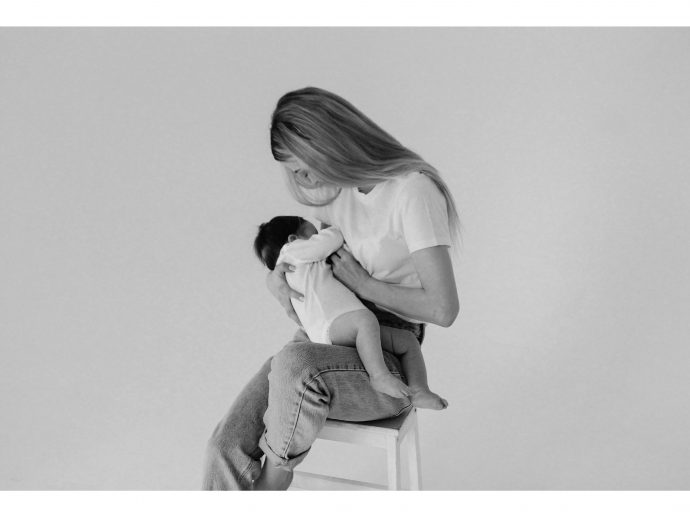
05/04/2026Looking after your diet while breastfeeding does not have to be complicated, but it does deserve some attention. Your body is working harder than usual, not only to recover after pregnancy but also to produce milk for your baby. This means what you eat and drink can have a direct impact on how you feel day to day. A simple, balanced approach is often more effective than trying to follow strict rules.
Choose Foods That Offer Real Nourishment
When you are breastfeeding, you may notice you feel hungrier than usual. This is completely normal, but it helps to focus on foods that actually sustain you rather than just fill a gap. Meals built around whole ingredients tend to provide more lasting energy and better overall nutrition.
Including things like whole grains, fresh vegetables, fruit, eggs, and good sources of protein can make a noticeable difference. These foods help support your energy levels and provide important nutrients such as iron and calcium. Instead of worrying about perfect meal plans, it can be more helpful to think about variety and balance across the day. Addition it would be in your best interest to seek professional nutrition counseling.
Keep Fluids in Mind Throughout the Day
It is easy to overlook how much fluid your body needs while breastfeeding. Many mothers find they feel thirsty more often, especially during feeds. Keeping a glass or bottle of water nearby can serve as a simple reminder to drink regularly.
Water should be your main choice, but other drinks like milk or warm herbal teas can also be included. While tea and coffee are fine in moderation, having too much caffeine may leave you feeling more tired later on and could affect your baby. Staying properly hydrated often helps with energy levels and can make the day feel a little more manageable.
Make Room for Healthy Fats
Fats sometimes get a bad reputation, but the right kinds are very important during breastfeeding. They play a role in supporting your baby’s development and can also help you feel more satisfied after eating.
Foods such as avocados, nuts, seeds, olive oil, and oily fish are all good options. Adding these into your meals does not need to be complicated. A drizzle of olive oil over vegetables or a handful of nuts as a snack can be enough. Small additions like these can help improve both the quality of your diet and how full you feel between meals.
Try to Eat Regularly, Even on Busy Days
Life with a newborn can make even simple routines feel difficult. Meals are often delayed or skipped altogether without much thought. However, eating regularly can help keep your energy steady and support your body as it produces milk.
Having a few quick and easy options available can make a big difference. Something as simple as yoghurt with fruit, a slice of toast, or a bowl of soup can provide the nourishment you need without taking much time. It is not about preparing elaborate meals, but about making sure you eat often enough to keep going.
Paying attention to your hunger is important as well. If you feel hungry, it is usually a sign your body needs more fuel. Responding to that in a consistent way can help you feel stronger and better able to handle the demands of caring for your baby.
Comments
