Categories more
- Adventures (62)
- Arts / Collectables (14)
- Automotive (77)
- Aviation (65)
- Bath, Body, & Health (123)
- Children (6)
- Cigars / Spirits (71)
- Cuisine (66)
- Design/Architecture (22)
- Electronics (63)
- Entertainment (36)
- Event Planning (115)
- Fashion (45)
- Finance (10)
- Gifts / Misc (6)
- Home Decor (118)
- Jewelry (41)
- Pets (3)
- Philanthropy (1)
- Real Estate (16)
- Services (44)
- Sports / Golf (14)
- Vacation / Travel (85)
- Watches / Pens (33)
- Wines / Vines (34)
- Yachting / Boating (67)



5 Tips for Calculating ROI Before You Add Any Heavy Equipment to Your Fleet

Published
08/25/2026Buying heavy equipment feels like progress. A new machine on site, more capacity, more jobs you can take on. But more iron does not automatically mean more profit. Before you sign anything, here are six things worth running through first.
Calculate the Total Cost of Ownership
The purchase price is the number that gets quoted. It is rarely the number that matters most. Total cost of ownership covers everything: fuel, insurance, registration, scheduled servicing, and what the machine will be worth when you eventually sell it.
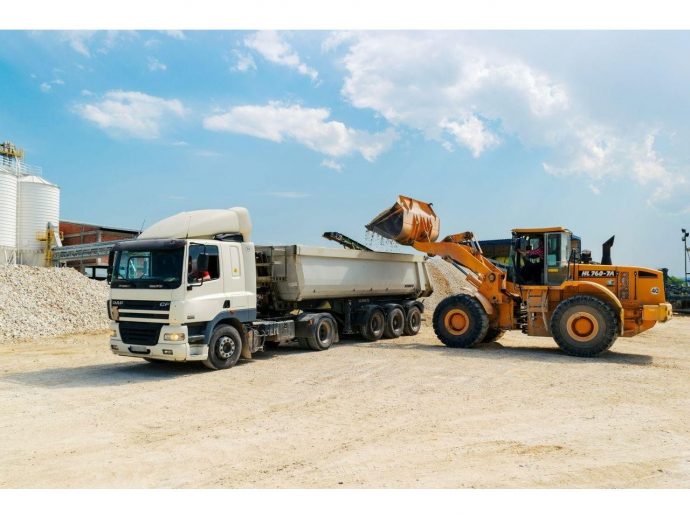
Take tipper trucks by Western Star as a strong example, the upfront figure looks one way on paper, but once you layer in operating costs and depreciation over a five to seven year window, the true cost per hour of use tells a very different story. Calculate that number before you commit.
Track Your Current Fleet's Utilization before Adding More Iron
Before adding capacity, check whether your existing machines are actually being used. Healthy time utilization for most heavy equipment sits between 65 and 75 percent. Drop below 55 percent consistently, and the data is telling you something clear: you are already over-fleeted.
Adding another asset into an underutilized fleet does not fix a revenue problem. It compounds a cost one.
Know the Difference between the Sales Model and the Expense Model
This one trips up a lot of fleet owners. The sales model treats equipment as a capital expense, you own it outright, it sits on your balance sheet, and depreciation is spread across its useful life. The expense model treats it as an operating cost, typically through leasing or rent-to-own arrangements.
Neither option is universally better. The right choice depends on your cash position, tax strategy, and how certain you are about long-term demand. Get your accountant involved before this decision is made, not after.
Account for Unplanned Downtime
Unplanned breakdowns are where ROI calculations fall apart. Most fleet owners budget for scheduled maintenance. Very few build in a realistic figure for unexpected failures. Industry data puts unplanned downtime costs for heavy equipment anywhere from $500 to well over $1,000 per hour once you factor in lost productivity, emergency repairs, and project delays.
Older machines break down more. Reactive repairs cost roughly four times more than preventive maintenance. If the asset you are considering has a patchy service history or is outside its optimal replacement window, the risk is probable.
Project Revenue Realistically
This is the one most likely to get skipped. You run the numbers on how much the machine could earn. You think about your busiest periods, your biggest contracts, your most optimistic pipeline. Then you build your ROI case around that version of the future.
The problem is that equipment ROI projections should be stress-tested against your slow seasons, your lost tenders, and your average utilization, not your ceiling. A machine that pays for itself only when everything goes right is a machine that will spend a lot of time not paying for itself.
Comments
