Categories more
- Adventures (80)
- Arts / Collectables (24)
- Automotive (83)
- Aviation (80)
- Bath, Body, & Health (152)
- Children (55)
- Cigars / Spirits (100)
- Cuisine (110)
- Design/Architecture (42)
- Electronics (78)
- Entertainment (49)
- Event Planning (125)
- Fashion (104)
- Finance (19)
- Gifts / Misc (26)
- Home Decor (141)
- Jewelry (85)
- Pets (13)
- Philanthropy (6)
- Real Estate (57)
- Services (63)
- Sports / Golf (44)
- Vacation / Travel (191)
- Watches / Pens (91)
- Wines / Vines (57)
- Yachting / Boating (95)



A Patient-Focused Guide to Reviewing Full-Mouth Dental Implant Plans

Published
09/02/2026Key Takeaways
- A full-mouth implant plan should begin with a complete dental and medical evaluation.
- Every patient should receive clear information about alternatives, risks, healing, materials, and expected results.
- A starting price may exclude imaging, extractions, sedation, temporary teeth, grafting, final restorations, or maintenance.
- Provider experience, team coordination, and long-term support are as important as technology.
- Financing should be discussed after you understand the complete treatment plan.
Choosing a full-mouth dental implant plan is a major health and financial decision. The best plan is not necessarily the one with the lowest advertised price or the fastest promise. It is the one that clearly explains your diagnosis, options, materials, treatment stages, costs, and long-term care. Patients researching full mouth dental implants across South Florida can review the comparison information from Onesolution Dental Implant Centers, a regional provider serving communities including Miami, Plantation, Broward County, and Palm Beach. Its implant comparison page outlines factors patients should weigh, including treatment planning, timing, materials, technology, and follow-up support, making it a useful starting point for comparing customized full-arch care.
Why Full-Mouth Implant Plans Need a Closer Look
Replacing an entire upper or lower arch, or both, is very different from replacing one missing tooth. A successful plan must account for gum health, jawbone volume, bite forces, facial support, speech, appearance, and your ability to maintain the restoration's cleanliness. Two people with similar tooth loss may need very different approaches. A brief consultation and a one-line quote cannot answer every important question. Before agreeing to treatment, ask for a diagnosis that explains what is happening in your mouth and why the proposed solution fits your needs. Healthy natural teeth should not be removed without a sound clinical reason.
Start With a Complete Diagnosis
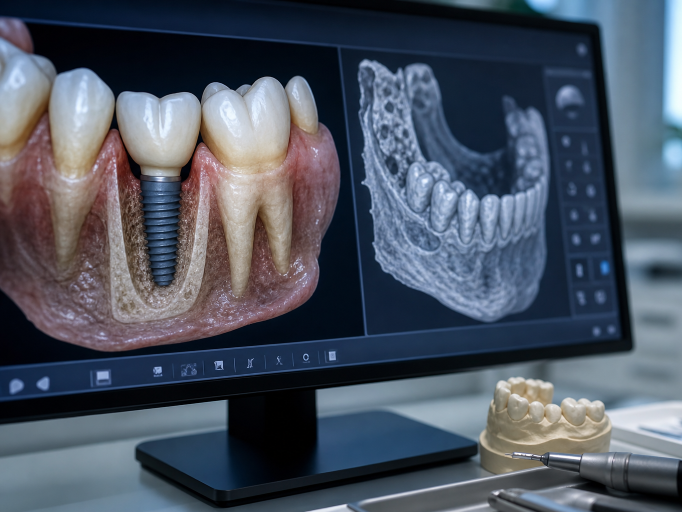
A thorough evaluation commonly includes a dental and medical history, an examination of the gums and remaining teeth, and an assessment of infection or inflammation. The clinician may also use 3D imaging when appropriate to review bone height, width, density, nerve locations, and sinus anatomy. Your bite matters, too. There must be enough space for the final teeth, and the team should consider clenching, grinding, jaw position, and facial proportions. Be candid about smoking, diabetes, medications, immune conditions, and past healing problems. These factors do not automatically rule out implants, but they can influence timing, risk, and follow-up needs. The range of treatment options should be discussed before you make a financial commitment. A careful dentist will help you understand what can be preserved, what needs treatment first, and whether a second opinion would be useful.
Review the Treatment Options
No single solution is right for every patient. Depending on your diagnosis and goals, a consultation may include:
- Traditional removable dentures.
- Implant-retained removable dentures that snap into place.
- Fixed full-arch restorations supported by implants.
- Individual implants or bridges combined with healthy natural teeth.
- Bone grafting, sinus procedures, or other preparation before implant placement.
Ask what each option can and cannot accomplish for comfort, stability, cleaning, appearance, and long-term cost. If a recommendation feels rushed, unclear, or overly standardized, it is reasonable to pause and seek another professional opinion.
Compare Materials and Final Restorations
The final teeth and the framework supporting them affect appearance, comfort, durability, repairs, and price. Ask whether temporary teeth are included, then ask what material will be used for the permanent restoration. Common discussions may involve acrylic, composite, zirconia, or other designs.
- How does the proposed material resist staining, wear, and chipping?
- How will it be cleaned at home and professionally?
- Can it be repaired, and what happens if it needs replacement?
- Will the shade, shape, size, and bite be customized?
There is no universally best material. The right choice depends on your anatomy, bite strength, aesthetic goals, budget, and willingness to maintain the restoration.
Look Beyond the Treatment Timeline
Marketing may focus on surgery day, but full-mouth treatment is a process. Your schedule may include diagnostics, infection treatment, or extractions, implant placement, temporary teeth, healing, try-in appointments, bite adjustments, final restoration delivery, and maintenance visits. Some patients may be candidates for immediate temporary teeth, while others need additional healing or preparatory treatment. Ask why the proposed schedule is appropriate for your bone, gums, medical history, and bite. A fast timeline is only valuable when it remains clinically appropriate.
Assess the Dental Team and Facility
Ask who performs the surgery, who designs the final teeth, and who handles follow-up care. A coordinated team should be able to explain how imaging, surgical planning, laboratory work, restorative design, and maintenance fit together.
- How many complex full-mouth cases has the team managed?
- Who should you call for swelling, pain, a loose component, or a broken temporary?
- Is there an emergency contact and a written follow-up schedule?
- How are complications, adjustments, and referrals handled?
Review the Full Cost, Not Just the Starting Price
Request an itemized written estimate. It should identify whether the fee includes consultation, scans, extractions, grafting, sedation, implants, temporary teeth, laboratory work, final teeth, adjustments, and routine follow-up. Also, ask what is excluded or only estimated. Review repair policies, replacement costs, warranty limitations, insurance claims, cancellation rules, interest, and down-payment requirements. Compare the complete plan first, then compare financing. A low initial number may not reflect the full cost of reaching and maintaining the intended result.
Ask About Long-Term Maintenance
Dental implants and full-arch restorations still require daily hygiene and professional care. Ask how often examinations are recommended, which tools should be used under and around the restoration, whether the prosthesis can be removed for professional cleaning, and which habits could damage it. Patient-focused consultation questions often include personal responsibilities, follow-up during treatment, follow-up after treatment, expected implant lifespan, and possible events after surgery. The questions patients value most during implant consultations can help you prepare for an informed discussion.
A Simple Way to Compare Two Treatment Plans
- Request a written diagnosis and treatment plan from each provider.
- List every service included, excluded, optional, or estimated.
- Compare temporary and final restoration materials.
- Review the anticipated healing stages and appointment schedule.
- Ask how repairs, complications, and emergencies are handled.
- Confirm the maintenance requirements and warranty conditions.
- Seek a second opinion when the plan involves extensive tooth removal or a large financial commitment.
Common Questions Patients Ask
Is the cheapest implant plan the best choice?
Not necessarily. Price is only one part of value. A lower quote may omit important diagnostics, temporary teeth, grafting, final restorations, follow-up care, or future repairs.
Can every patient receive full-mouth implants?
Candidacy depends on bone and gum health, medical history, oral hygiene, bite forces, and treatment goals. A personalized clinical evaluation is essential.
How many implants are needed?
The number varies by arch, bone condition, restoration design, bite, and the provider's treatment plan. It should not be assumed before diagnosis.
Choose Clarity Before Speed
A strong full-mouth dental implant plan is personalized, transparent, and designed for long-term oral health. Compare the diagnosis, alternatives, materials, treatment sequence, provider coordination, total costs, and maintenance commitments. Taking time to ask informed questions can help you decide with greater confidence.
Conclusion
Choosing a full-mouth dental implant plan requires more than comparing advertised prices or treatment timelines. The right decision should be based on a complete evaluation, clear treatment options, experienced care, transparent costs, and realistic expectations for healing and maintenance. Before committing, make sure you understand what is included in the plan, which materials will be used, who will provide each stage of treatment, and how future repairs or follow-up care will be handled. Financing can make treatment more manageable, but it should come after you understand the full clinical and financial picture. Taking time to compare providers, ask detailed questions, and seek a second opinion when needed can help you choose a treatment plan that supports your oral health, comfort, goals, and long-term quality of life.
Comments
