




Key Takeaways
- Heat pumps move heat rather than creating it through combustion.
- Climate, ductwork, insulation, and correct sizing matter as much as equipment ratings.
- Ducted, ductless, geothermal, and dual-fuel systems suit different homes.
- Cold-weather performance and backup heat deserve special attention in four-season climates.
- Total ownership cost includes installation, electrical work, energy use, maintenance, and incentives.
Table Of Contents
- How Heat Pumps Work
- Why Four-Season Homes Need Planning
- Compare Heat Pump Types
- Check Efficiency Ratings
- Choose The Right Size
- Decide On Backup Heat
- Review Installation Factors
- Plan For Maintenance
- Compare Costs And Incentives
- Common Questions
- Conclusion
For homeowners who experience humid summers, freezing winters, and unpredictable spring and fall weather, choosing a heat pump takes more than comparing price tags. The best system must fit the home's layout, insulation, existing equipment, and year-round comfort needs. Exploring cost-effective residential heat pumps can be a useful starting point when weighing options for an all-season home.
A heat pump can heat and cool with a single system, but results vary widely depending on sizing, installation quality, and local utility costs. This guide explains the major decisions homeowners should make before replacing a furnace, air conditioner, or both.
How Heat Pumps Work
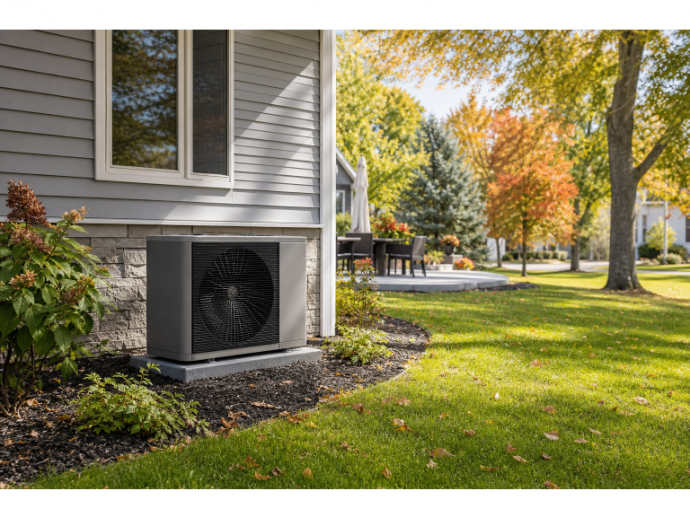
A heat pump transfers heat between indoors and outdoors. In winter, it collects available heat from outdoor air and brings it inside. In summer, it reverses the process, carrying indoor heat outside like a central air conditioner. The primary components include an outdoor unit, an indoor air handler or coil, refrigerant lines, a thermostat, and a reversing valve.
Because the system moves heat rather than burning fuel to generate it, it can provide efficient heating and cooling. ENERGY STAR's air-source heat pump guidance offers a helpful overview of how ducted and ductless systems operate.
Why Four-Season Homes Need Planning
Four-season homes need equipment that can manage more than summer cooling. Consider winter design temperatures, summer humidity, rapid weather changes, electric and fuel prices, and the condition of the existing furnace or air conditioner. Insulation and air sealing are equally important because a drafty home can make any HVAC system work harder.
For example, a newer, open-plan house with strong insulation may be comfortable with one centrally ducted system. An older house with closed-off rooms, uneven airflow, and a finished basement may benefit from a ducted system plus one or more ductless zones.
Compare Heat Pump Types
Ducted Air-Source Heat Pumps
Ducted systems use a home's existing forced-air ducts to provide whole-home heating and cooling. They can be a practical option when ductwork is properly sized, sealed, and balanced. Before installation, have the ducts inspected for leakage, poor airflow, and insulation gaps.
Ductless Mini-Split Heat Pumps
Ductless mini-splits use wall- or ceiling-mounted indoor units connected to an outdoor unit. They work well in homes without ducts, additions, garages, finished basements, and rooms that never seem comfortable. Individual indoor units also allow room-by-room temperature control.
Geothermal Heat Pumps
Geothermal systems exchange heat with the relatively stable temperature below ground rather than with outside air. They often require more upfront planning, excavation or drilling, and space on the property, but may offer strong long-term efficiency. The U.S. Department of Energy's consumer guide to geothermal heat pumps explains the basic approach and installation considerations.
Dual-Fuel Heat Pumps
A dual-fuel system combines a heat pump with a furnace. The heat pump handles much of the heating during milder weather, while the furnace can take over during very cold conditions or when local energy prices favor it. This option can make sense for homes with a newer gas furnace and an aging air conditioner.
Check Efficiency Ratings
Efficiency labels are useful, but no single number determines the best choice. Look for these common ratings:
- SEER2: Seasonal cooling efficiency.
- EER2: Cooling performance under specified conditions.
- HSPF2: Seasonal heating efficiency for air-source heat pumps.
- COP: Heat output compared with energy input at a given outdoor temperature.
- ENERGY STAR certification: Indicates that a model meets defined efficiency requirements.
Higher ratings can increase the purchase price. Compare expected savings with local utility rates, climate, and the length of time you expect to own the home.
Choose The Right System Size
Square footage alone cannot determine the right capacity. A professional load calculation should account for insulation, windows, ceiling height, air leakage, local design temperatures, occupants, sun exposure, and duct capacity. Oversized equipment may cycle too frequently, removing less humidity. Undersized equipment may run constantly without maintaining comfort during extreme weather.
Decide On Backup Heat
Many modern cold-climate heat pumps can operate effectively in freezing weather, but backup heat still deserves discussion. Common choices include electric resistance heat, a gas furnace in a dual-fuel setup, or a supplemental wood or pellet appliance. Ask when backup heat activates, whether the thermostat controls the changeover automatically, and how each setting affects operating costs.
Review Installation Factors
Installation quality affects efficiency, comfort, noise, and equipment life. Before accepting an estimate, make sure the contractor will:
- Review heating and cooling history.
- Inspect ducts, insulation, electrical service, drainage, and outdoor-unit clearance.
- Perform a heating and cooling load calculation.
- Confirm thermostat, controls, and backup-heat compatibility.
- Test airflow, refrigerant performance, temperatures, and safety controls after installation.
Plan For Maintenance
Check filters regularly, keep supply and return vents open, and clear leaves, grass, snow, and debris from around the outdoor unit. Watch for unusual sounds, weak airflow, repeated short cycling, uneven temperatures, or ice that does not clear during defrost. Professional inspections before peak cooling and heating seasons can identify airflow, electrical, refrigerant, and control issues early.
Compare Costs And Incentives
Compare the full cost of ownership, not just the equipment price. Written estimates should separate equipment, labor, electrical upgrades, duct repairs, permits, thermostat changes, expected energy use, maintenance needs, warranty coverage, and available rebates or incentives. A lower quote may omit necessary work that affects system performance.
Consider Controls, Humidity, and Resilience
Comfort depends on more than the outdoor unit. Ask how the proposed thermostat handles variable-speed operation, temperature setbacks, humidity targets, and emergency heat. Some controls can stage equipment gradually, adjust airflow, and show when auxiliary heat is running. That information helps homeowners understand whether high energy use reflects unusually severe weather, a control setting, or a system issue. Smart features can be convenient, but reliable manual settings and clear installer training matter just as much.
Humidity control is especially important during warm, muggy months. An oversized system may cool the thermostat location quickly, but it may not run long enough to remove adequate moisture from the air. Variable-speed equipment, properly selected airflow, and a well-designed duct system can improve comfort by allowing longer, steadier cycles. Ask whether a dedicated whole-home dehumidifier is appropriate if indoor humidity remains high despite correct cooling operation. Also discuss condensate drainage, because clogged lines or poor routing can cause water damage and shutdowns.
Power interruptions and winter storms are another practical consideration. A heat pump needs electricity, including when it is paired with a gas furnace, so homeowners should understand what will and will not operate during an outage. For some households, a properly installed generator, battery system, fireplace, or other approved backup plan may be worth evaluating. Do not use outdoor cooking equipment or unvented devices for indoor heating. Equipment placement also matters: keep the outdoor unit above expected snow accumulation, away from roof runoff, and accessible for service.
Finally, compare proposals using consistent assumptions. One contractor may recommend a higher-efficiency model, while another may include duct sealing, electrical work, or a more complete commissioning process. Request model numbers, capacities at relevant winter temperatures, warranty terms, labor coverage, and a written description of any excluded work. Reviewing those details side by side makes it easier to identify meaningful differences rather than choosing solely by a headline price. After installation, save permits, manuals, invoices, maintenance records, and photos of equipment labels for future service visits or a home sale.
Taking these steps does not guarantee identical results in every house, yet it gives homeowners a clearer basis for evaluating recommendations. The goal is a system that maintains even temperatures, manages moisture, operates safely, and remains affordable to run and maintain throughout its expected service life. A detailed conversation before signing a contract can prevent expensive changes after the equipment arrives on site.
Common Questions
Can A Heat Pump Replace Both A Furnace And An Air Conditioner?
Often, yes. The right arrangement depends on climate, home efficiency, equipment capacity, and whether the homeowner wants a separate backup heat source.
Will A Heat Pump Work During Freezing Weather?
Cold-climate models are built for low outdoor temperatures, but performance depends on the model, sizing, weather conditions, and the home's heat loss.
Are Heat Pumps Loud?
Newer variable-speed systems are often quieter than older single-stage equipment. Outdoor placement, vibration isolation, and blower setup all influence perceived noise.
Is a ductless system good for an older home?
It can be an excellent option where ductwork is missing, undersized, or difficult to repair. Indoor-unit location should be planned carefully for both appearance and airflow.
Conclusion
Choosing a heat pump in 2026 starts with understanding the home, not selecting a label or brand first. Review climate, insulation, ducts, capacity, backup heat, installation details, and long-term costs. A careful comparison helps create reliable comfort year-round without paying for features that do not match the home's needs.
