Categories more
- Adventures (62)
- Arts / Collectables (14)
- Automotive (77)
- Aviation (48)
- Bath, Body, & Health (76)
- Children (6)
- Cigars / Spirits (71)
- Cuisine (64)
- Design/Architecture (22)
- Electronics (13)
- Entertainment (4)
- Event Planning (12)
- Fashion (45)
- Finance (10)
- Gifts / Misc (6)
- Home Decor (45)
- Jewelry (41)
- Pets (3)
- Philanthropy (1)
- Real Estate (16)
- Services (23)
- Sports / Golf (14)
- Vacation / Travel (65)
- Watches / Pens (14)
- Wines / Vines (33)
- Yachting / Boating (67)


A Practical Checklist for Comparing Colorado Mountain Homes

Published
09/07/2026Key Takeaways
- Compare total ownership costs, not just the purchase price and mortgage payment.
- Confirm winter access, snow removal duties, parking, and driveway safety.
- Review the water, septic, heating, power, and internet services at the property.
- Request insurance quotes before key contract deadlines.
- Read HOA documents, zoning rules, and rental restrictions before relying on a planned use.
- Use local knowledge to compare how communities operate throughout the year.
Buying in Colorado's mountain communities calls for a different kind of property comparison. A beautiful view, dramatic architecture, or quick access to skiing can matter, but so can the ordinary details that determine whether the home works in January, during a storm, or after weeks of vacancy. Buyers evaluating Aspen, Snowmass Village, and the wider Roaring Fork Valley can benefit from a local perspective. Snowmass Village CO real estate expert Steve Harriage provides property-search, valuation, and community guidance for Aspen and Snowmass buyers and sellers, drawing on more than two decades of luxury resort and new-development experience in Colorado mountain markets.
The goal is not to find a perfect mountain home. It is to identify the property whose access, systems, rules, risks, and ongoing costs fit your intended lifestyle. Use this checklist to compare homes consistently after each showing, rather than letting one exceptional feature outweigh practical concerns.
Why Mountain Homes Need a Different Buying Checklist
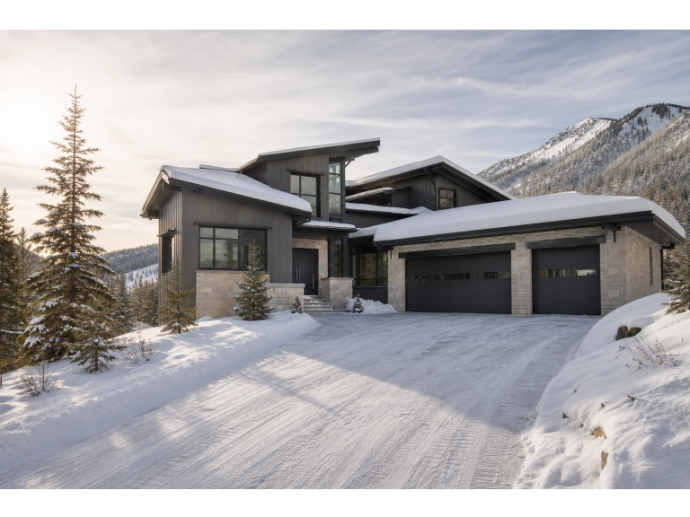
Colorado mountain homes may face steep grades, private or shared roads, heavy snow, freeze-thaw cycles, wildfire exposure, limited utility options, and greater weather wear than many homes in flatter communities. A driveway that feels straightforward on a dry afternoon may be much different after snowfall. A home that appears quiet and easy to maintain during a short showing may require more planning when temperatures drop or the property is vacant.
Start with a practical question: how will you use the home? A full-time residence may need dependable internet, straightforward access to medical care and groceries, and efficient year-round heating. A second home may need remote monitoring, a local service network, and systems that can be checked during long absences. If rental income is part of the plan, verify the property's eligibility before treating that income as certain.
Questions That Clarify the Search
- How many months per year will the home be occupied?
- Will children, pets, guests, or older relatives need easy access?
- Does remote work require reliable high-speed internet?
- Is the home intended for personal use, long-term leasing, or short-term stays?
Compare Location Beyond the View
A mountain address should be evaluated by how it functions, not only by scenery. Compare drive times to grocery stores, health care, schools, restaurants, trail access, ski areas, airports, and emergency services. Visit more than once if possible. Weekends, holidays, and peak visitor periods can change traffic, parking, road noise, and the availability of local services.
Test mobile reception at the house itself, including inside the home and near the driveway. Ask about sunlight in winter, since shade can affect the persistence of snow and ice.
Review Roads, Driveways, and Winter Access
Determine whether the route to the home is public, private, shared, or maintained by an HOA. Then confirm who pays for plowing, surface repairs, drainage work, and snow storage. Request recorded road maintenance or access agreements, when applicable. A driveway should have a workable grade, adequate turnaround space, and a plan for deliveries, guests, and emergency vehicles.
- Ask who plows and what service is included.
- Review parking limits and snow-storage areas.
- Check whether vehicles need four-wheel drive during winter conditions.
- Look for drainage issues, ruts, narrow turns, and exposed edges.
- Experience the route in poor weather when feasible.
Check Utilities, Water, Heating, and Internet
Mountain properties may use wells, septic systems, propane, electric heat, wood stoves, generators, satellite service, or fixed-wireless internet. Request recent utility bills, well permits and water tests, septic pumping or inspection records, propane agreements, and service histories for heating equipment and backup power.
Do not rely only on an internet provider's coverage map. Test the service at the property and ask the seller what speeds, outages, equipment, and contracts are involved. Inspectors can also help identify freeze-risk areas around plumbing, crawl spaces, and exterior connections.
Inspect for Weather, Elevation, and Site Conditions
Weather exposure can affect roofs, decks, windows, siding, chimneys, drainage systems, and foundations. Ask an inspector to pay close attention to ice-dam evidence, snow shedding, moisture, erosion, retaining walls, deck connections, and signs of freeze-thaw movement. Depending on the home, a general inspection may need support from a roofing professional, chimney inspector, septic specialist, structural engineer, or water-quality tester.
Look beyond broad risk scores by walking the parcel. Consider vegetation near structures, drainage paths, slope conditions, proximity to creeks, evacuation routes, and evidence of past storm or fire damage. These factors can influence maintenance decisions as well as insurance availability.
Get Insurance Quotes Before Making an Offer
Insurance belongs in the early screening process, especially for homes with wildfire exposure, seasonal vacancy, detached structures, or rental use. Obtain quotes from more than one insurer and compare deductibles, replacement-cost terms, exclusions, mitigation requirements, and coverage for decks, garages, and outbuildings. Colorado buyers can also review Colorado's wildfire insurance consumer guidance to better understand policy protections and the importance of knowing what their policies cover.
Read HOA, Zoning, and Rental Rules
Review declarations, covenants, budgets, reserve information, meeting minutes, architectural standards, pet rules, parking restrictions, and special-assessment history. Verify zoning and rental rules through the appropriate local authority. A neighboring home operating as a vacation rental does not establish that another property has the same right.
Build a Full Ownership Budget
Include mortgage payments, property taxes, insurance, HOA dues, heating, electricity, propane, internet, snow removal, road costs, repairs, property management, and travel. Then prepare three versions of the budget:
- Expected year: Normal utilities, maintenance, and seasonal expenses.
- High-cost year: Higher fuel use, larger snow-removal bills, or increased insurance costs.
- Repair year: A major roof, heating, septic, drainage, or exterior project.
Use a Mountain Home Comparison Scorecard
After every showing, score each category from one to five and add a brief note: year-round access, road and parking conditions, utility reliability, insurance cost, maintenance needs, privacy, rental flexibility, resale appeal, and total ownership cost. Written notes create a clearer comparison when several homes begin to blend together.
Final Pre-Offer Checklist
- Define the home's intended use.
- Compare access and services across all seasons.
- Confirm road, snow, water, septic, heating, power, and internet details.
- Review wildfire, drainage, flood, and slope considerations.
- Obtain insurance quotes before removing important contingencies.
- Read HOA, zoning, and rental documents.
- Budget for normal conditions, expensive years, and major repairs.
Conclusion
The right Colorado mountain home is more than an impressive setting. It should support your routine, budget, access needs, and long-term plans. Careful comparison turns a lifestyle purchase into a decision you can feel confident living with year-round.
Comments
