Categories more
- Adventures (62)
- Arts / Collectables (14)
- Automotive (77)
- Aviation (65)
- Bath, Body, & Health (123)
- Children (6)
- Cigars / Spirits (71)
- Cuisine (66)
- Design/Architecture (22)
- Electronics (63)
- Entertainment (36)
- Event Planning (115)
- Fashion (45)
- Finance (10)
- Gifts / Misc (6)
- Home Decor (118)
- Jewelry (41)
- Pets (3)
- Philanthropy (1)
- Real Estate (16)
- Services (44)
- Sports / Golf (14)
- Vacation / Travel (85)
- Watches / Pens (33)
- Wines / Vines (34)
- Yachting / Boating (67)



A Seasonal Exterior Care Plan for Kankakee County Homeowners

Published
07/28/2026Illinois weather gives your home little time to rest. Winter brings snow and ice. Spring adds heavy rain. Summer storms bring hail and strong winds, while fall fills gutters with leaves and debris.
Each season places different demands on your roof, siding, gutters, soffits, fascia, and drainage system. Small problems often grow when homeowners wait for visible leaks or structural damage. A seasonal exterior care plan helps you find those concerns earlier.
This guide explains how roofing and exterior services fit into a practical year-round maintenance routine.
Why Seasonal Home Exterior Maintenance Matters
Weather damage often develops in stages. A winter freeze loosens flashing. Spring rain enters the gap. Summer heat expands the material, and another storm widens the opening. By fall, the homeowner notices a ceiling stain.
Local companies such as N & I Roofing understand these seasonal pressures. If an inspection finds loose shingles or damaged flashing, scheduling roof repair in Bourbonnais before heavy rain helps limit water entry and further damage.
Preventive exterior maintenance should cover the roof, siding, gutters, downspouts, soffits, fascia, windows, exterior doors, and foundation drainage. These systems work together. A clogged gutter affects the fascia, siding, foundation, and garden beds below it.
Start Spring With a Detailed Exterior Check
Spring provides the first clear opportunity to inspect damage from snow, ice, and freezing temperatures. Begin with a safe ground-level review after the snow melts.
Inspect the Roof and Gutters
Look for missing, curled, cracked, or shifted shingles. Check roof edges, valleys, flashing, vents, and areas around chimneys. Dark streaks, exposed fasteners, or loose materials deserve closer attention.
Complete a spring roof and gutter inspection before seasonal rain increases. Remove leaves, twigs, shingle granules, and other debris from the gutters. Check whether water flows freely through each downspout and moves away from the foundation.
Watch for sagging sections or gaps between the gutters and fascia. These problems affect drainage and often lead to damaged wood, siding stains, or water near the foundation.
Review Siding, Soffits, and Fascia
Walk around the home and inspect the siding from several angles. Look for cracks, warping, loose panels, peeling finishes, and moisture stains. Siding maintenance for Illinois homes also includes checking gaps around windows, doors, utility lines, and exterior fixtures.
Inspect soffits and fascia for soft areas, peeling paint, open seams, and pest entry points. Keep soffit vents clear so air moves through the attic.
Prepare the Exterior for Summer Heat and Storms
Summer home exterior maintenance focuses on heat, humidity, rain, hail, and high winds. Start by trimming weak branches that hang over the roof or touch the siding. Keep climbing plants and shrubs away from exterior surfaces so moisture does not remain against the home.
Check Heat and Moisture Control
Strong sunlight affects shingles, sealants, siding, and painted surfaces. Check for faded areas, brittle seals, buckled siding, or shingle wear. Inside the attic, look for excess heat, damp insulation, musty odours, or dark stains.
Good attic airflow supports home exterior weather protection. It reduces trapped heat and limits moisture buildup near the roof deck.
Prepare Your Home for Severe Weather
Before a major storm, secure outdoor furniture, clear gutters, and check downspout outlets. Remove loose objects that strong winds might carry toward windows, siding, or roofing.
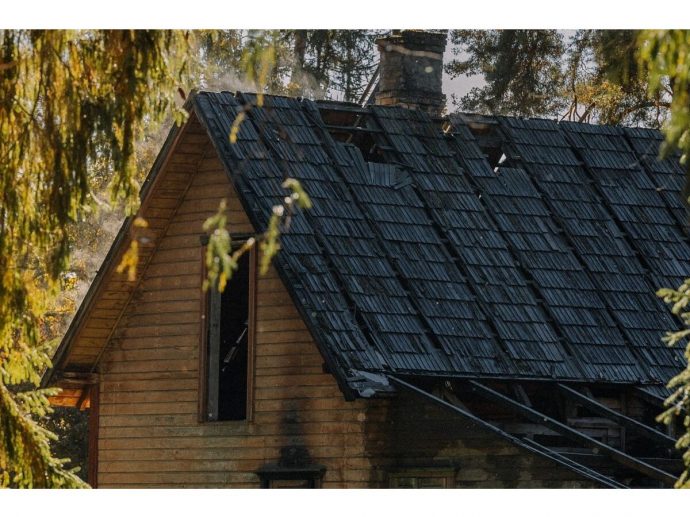
After hail or high winds, inspect the property from the ground. Look for loose shingles, dented gutters, cracked siding, fallen branches, and water stains. Prompt storm damage prevention starts with early detection.
Complete Fall Maintenance Before Temperatures Drop
Fall offers the best time for exterior maintenance before winter. Focus on drainage, loose materials, open gaps, and areas that need repair before freezing weather arrives.
Clean Gutters and Check Downspouts
Fall gutter cleaning prevents leaves from blocking water and melting snow. Clear each gutter section and flush the downspouts. Confirm that downspout extensions direct water away from the foundation.
Inspect gutter hangers, seams, end caps, and connections. Tighten loose sections and address leaks before ice adds weight to the system.
Prepare the Roof and Siding
Check the roof for loose shingles, damaged flashing, worn seals, and debris in valleys. Address minor concerns before snow covers the surface.
Inspect siding, soffits, fascia, windows, and doors. Repair open seams and replace damaged sealant where needed. Exterior maintenance before winter reduces drafts, moisture entry, and freeze-thaw damage.
A fall exterior maintenance checklist should also include outdoor faucets, drainage paths, window wells, and foundation openings. Clear leaves from low areas where water collects.
Protect Your Home During Winter
Winter exterior maintenance focuses on safe observation. Avoid climbing onto a roof covered with snow or ice. Instead, watch for changes from the ground and inside the home.
Monitor Snow and Ice
Uneven snow buildup often signals heat loss or poor ventilation. Large icicles and thick ice near the eaves also suggest drainage or temperature problems.
Ice dam prevention starts inside the attic. Proper insulation, air sealing, and ventilation help keep the roof temperature stable. Clear gutters and working downspouts also give melting snow a path away from the home.
Watch ceilings and exterior walls for stains, damp areas, peeling paint, or musty odours. These signs often point to snow and ice roof damage.
Keep Access and Drainage Areas Clear
Remove snow from driveways, walkways, steps, and areas around downspout outlets. Keep drainage paths open so melting snow moves away from the foundation instead of refreezing near entrances.
Professional snow removal helps maintain safe access during repeated storms. It also keeps heavy piles away from siding, garage doors, foundation vents, and exterior equipment.
Inspect the Exterior After Severe Weather
Seasonal maintenance should include extra checks after hail, strong winds, heavy rain, or large snow events. Walk around the property once conditions become safe.
Document Visible Damage
Take clear photographs of missing shingles, cracked siding, dented gutters, fallen branches, and interior water stains. Include wide views and close images. Record the date and location of each concern.
These records support a roof insurance claim in Kankakee County, IL if your policy covers the loss. Keep damaged materials until your contractor and insurer review them.
Request Professional Help When Needed
Contact a local exterior contractor in Kankakee County when you see leaks, loose roofing, structural movement, widespread hail marks, or damage beyond safe reach.
A professional post-storm exterior inspection should cover roofing, flashing, siding, gutters, downspouts, soffits, fascia, and attic moisture. Request written findings and photographs before approving work.
Build a Year-Round Exterior Maintenance Routine
Set four detailed exterior checks each year, one at the start of every season. Add a short monthly review and another inspection after severe weather.
Keep a home exterior maintenance checklist with dates, photographs, completed repairs, warranty details, and contractor records. This history helps you track recurring problems and plan future work.
Handle safe ground-level tasks yourself, such as clearing visible debris and monitoring drainage. Leave roof access, structural concerns, electrical hazards, and specialised repairs to trained professionals.
How Do Roofing and Exterior Services in Kankakee County IL Support Seasonal Care?
A consistent plan protects your home through every season. Spring inspections reveal winter damage. Summer checks address storms and heat. Fall preparation protects drainage and exterior openings. Winter monitoring identifies snow, ice, and moisture concerns.
Start with a ground-level inspection of your roof, siding, gutters, and drainage system. Record any changes and schedule a professional evaluation for damage, leaks, or unsafe areas. Early action keeps your seasonal property maintenance manageable and supports long-term exterior protection.
Comments
