Categories more
- Adventures (78)
- Arts / Collectables (24)
- Automotive (82)
- Aviation (78)
- Bath, Body, & Health (150)
- Children (54)
- Cigars / Spirits (94)
- Cuisine (100)
- Design/Architecture (39)
- Electronics (75)
- Entertainment (49)
- Event Planning (123)
- Fashion (94)
- Finance (19)
- Gifts / Misc (16)
- Home Decor (137)
- Jewelry (78)
- Pets (12)
- Philanthropy (5)
- Real Estate (51)
- Services (63)
- Sports / Golf (44)
- Vacation / Travel (183)
- Watches / Pens (87)
- Wines / Vines (54)
- Yachting / Boating (91)



A Smarter Approach to Choosing a Water Heater for Your Home

Published
03/01/2026Key Takeaways
- Explore all significant types of water heaters and match their features to your specific needs.
- Evaluate a range of factors, including capacity, energy efficiency, cost, and fuel type, before making a selection.
- Take advantage of any tax credits and rebates to increase your savings on a new purchase.
Table of Contents
- Types of Water Heaters
- Factors to Consider When Choosing a Water Heater
- Energy Efficiency and Cost Savings
- Installation Considerations
- Maintenance and Lifespan
- Tax Credits and Rebates
- Conclusion
Deciding to upgrade your home's water heater can significantly affect your daily comfort, long-term energy savings, and monthly utility bills. With so many choices on the market, selecting the best unit for your space can seem overwhelming at first. Whether you want greater efficiency, more hot water, or simply a reliable new system, making a wise choice is essential. Many homeowners in growing cities like Toronto turn to professional Toronto water heater installations to ensure a safe and efficient setup of their new units.
Before narrowing down your options, it pays to understand the features and benefits of today’s water heater options. Different models are optimized for households of various sizes, habits, energy goals, and budgets. Finding the right system means balancing all these factors with any available local incentives that might help you save on costs now or down the road.
Before investing, consider reading reviews and case studies specific to your city or neighborhood. These testimonials can offer real-world insight into how different water heaters perform in homes with similar requirements. Homeowners can also explore online guides for tips on selecting the right system and maximizing efficiency.
In bustling urban areas, reliable access to experienced contractors is crucial. It's simple to get your water heater installed in Toronto by scheduling with local professionals who understand city regulations and best installation practices.
Types of Water Heaters
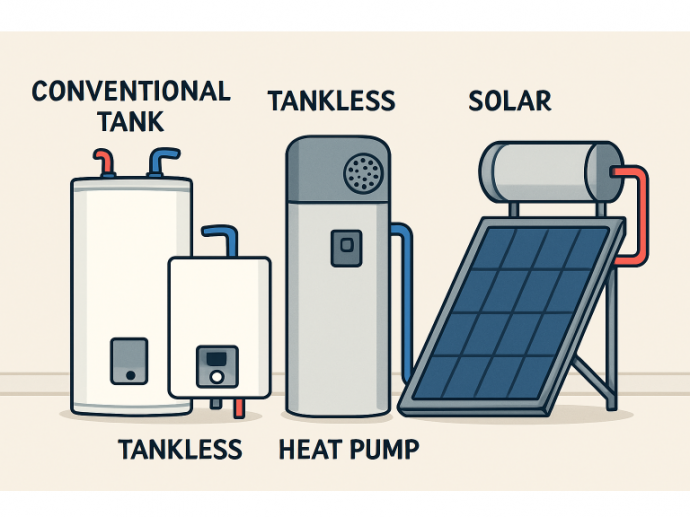
Choosing the right water heater starts with understanding the major types and how they serve varying household demands:
- Conventional Storage Water Heaters: These familiar tanks maintain a reservoir of hot water, which is ideal for families with steady or high water demand. However, they may waste energy due to standby heat loss when not in use.
- Tankless (On-Demand) Water Heaters: Instead of storing water, these systems heat it instantly as needed. This approach eliminates standby loss and can be an energy-saving option for households with moderate hot water consumption.
- Heat Pump Water Heaters: These units extract heat from the air or the ground and transfer it to water. Their efficiency can help reduce operating costs dramatically over time.
- Solar Water Heaters: Harnessing solar energy, these systems reduce dependency on conventional fuels. While up-front costs may be higher, long-term savings and environmental benefits are significant for suitable homes.
- Tankless Coil and Indirect Water Heaters: These rely on a home's heating system to provide hot water and can be exceptionally efficient during colder seasons when central heating is already in use.
For detailed comparisons and reviews of water heater types, consult reputable sources such as Consumer Reports' Water Heater Buying Guide.
Factors to Consider When Choosing a Water Heater
Many variables contribute to the decision of which water heater best fits your home. Some essential factors include:
- Capacity: Make sure the heater can service your household size and daily hot water needs. A family of four, for example, usually requires a tank with a capacity of 50 to 60 gallons.
- Energy Efficiency: Look for a high Energy Factor (EF) or Uniform Energy Factor (UEF) rating to optimize performance and save on utility bills.
- Fuel Type: The availability and price of electricity, natural gas, propane, or solar energy in your area can heavily influence your decision.
- Cost and Budget: Balance the initial expense with the unit's expected lifespan and energy savings. Sometimes a higher upfront cost results in lower long-term expenses.
To further understand how these factors apply to your specific situation, review the Consumer Reports' Water Heater Buying Guide.
Energy Efficiency and Cost Savings
Modern water heaters feature technologies that deliver hot water more efficiently than ever. For homes using 41 gallons or less per day, a tankless water heater can be between 24% and 34% more efficient than a comparable storage unit. Heat pump water heaters take savings even further by leveraging ambient heat rather than generating heat directly, resulting in some of the lowest running costs on the market.
Reducing overall hot water use through simple habits or fixture upgrades can further improve your efficiency, regardless of the system you choose.
Installation Considerations
Proper installation is essential for ensuring safe operation and optimal efficiency. Consider the following:
- Space Requirements: Assess whether your home has enough space for ventilation and access, especially for heat pump and tankless units.
- Electrical Requirements: Some models demand higher voltage or designated circuit breakers. Consult your installer or electrician to verify compatibility with your home's electrical system.
- Professional Installation: Employing a certified installer guarantees compliance with local safety codes, manufacturer specifications, and proper integration with existing systems.
Maintenance and Lifespan
Routine care is crucial to maximizing the longevity and reliability of your water heater. For conventional storage units, flushing the tank annually prevents sediment buildup and helps maintain efficient operation. Anode rods should be inspected or replaced every three to five years to prevent corrosion. Tankless and heat pump models also require periodic attention, such as descaling or cleaning air filters, to avoid performance issues.
Neglecting maintenance can lead to premature failures, increased energy use, or costly repairs, so regular upkeep is always best.
Tax Credits and Rebates
Many energy-smart water heaters qualify for government incentives, making your investment more affordable. For example, a federal tax credit of up to $2,000 is available for heat pump water heater installations until December 31, 2025. This incentive covers up to 30% of the installed cost for qualifying homeowners. Additional provincial or municipal rebates may also be available depending on your location. For the latest updates on tax credits and step-by-step instructions, refer to ENERGY STAR's guide on heat pump water heater tax credits.
Conclusion
Choosing the right water heater requires evaluating your family’s hot water habits, energy efficiency goals, and overall budget. By understanding the features of each heater type, considering critical factors, and taking advantage of available incentives, homeowners can achieve lasting comfort and meaningful savings. Investing in professional installation and ongoing maintenance will further guarantee that your new system delivers optimal performance for years to come.
Comments
