Categories more
- Adventures (209)
- Arts / Collectibles (376)
- Automotive (814)
- Aviation (378)
- Bath, Body & Health (1655)
- Children (118)
- Cigars / Spirits (278)
- Cuisine (723)
- Design / Architecture (1118)
- Electronics (230)
- Entertainment (162)
- Event Planning (295)
- Fashion (552)
- Finance (199)
- Gifts / Misc (141)
- Home Decor (575)
- Jewelry (410)
- Pets (92)
- Philanthropy (124)
- Real Estate (393)
- Services (223)
- Sports / Golf (213)
- Vacation / Travel (1054)
- Watches / Pens (233)
- Wines / Vines (862)
- Yachting / Boating (9083)




Published
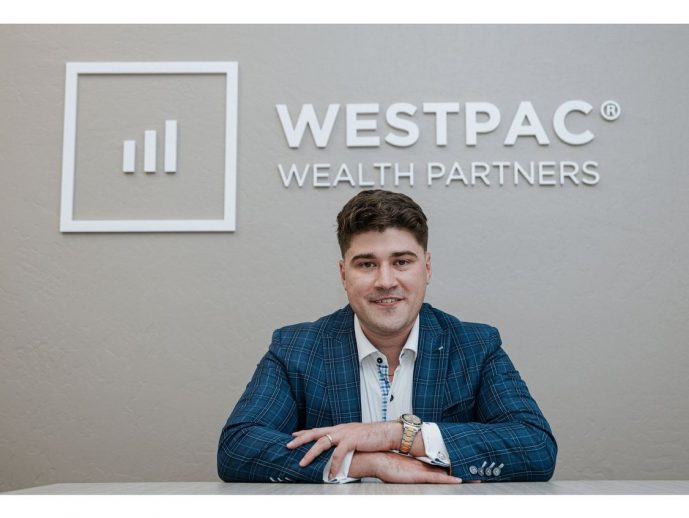
10/30/2026 by WestPac Wealth PartnersWestPac Wealth Partners today issued mid-year planning guidance on concentration risk, the overlooked threat facing business owners, executives, and equity-compensated professionals who hold the majority of their net worth in a single business or stock position. The firm's warning carries a twist: most of the families exposed are already paying a CPA, an attorney, and a wealth manager, often tens of thousands of dollars a year combined, and the risk persists anyway.
"These families are not under-advised. They are un-coordinated," said Creighton Hardy, CFP®, ChFC®, Wealth Management Advisor at WestPac Wealth Partners. "They are paying premium prices for a team of professionals and receiving four separate opinions. Each advisor is doing their job. Nobody is doing the design. So the largest risk on the balance sheet sits untouched, not because anyone failed, but because the work was done in the wrong order."
Most investors focus on diversification inside their portfolios. WestPac notes that the largest concentration usually sits outside any managed account, in the company an owner spent years building, or in employer stock accumulated through options, restricted stock units, and purchase plans.
"Concentration risk is the silent tax on first-generation wealth," Hardy said. "Business owners hold it in their company. Executives hold it in their employer's stock. Both groups believe they're playing it safe because they're investing in what they know. In reality, they may be exposing their financial future to a single point of failure."
"The biggest position on most balance sheets isn't found inside a brokerage account," Hardy said. "Treating concentration risk as a portfolio problem misses the larger issue. It's a balance-sheet problem that requires coordinated tax, estate, and investment planning."
WestPac's planning approach works to address concentration risk by reversing the order most families follow, designing the full architecture first, then building wealth outside the concentrated position while reducing unnecessary tax consequences.
For business owners, that means building personal wealth in parallel with the business rather than waiting for a sale. Strategies may include defined benefit plans, cash balance plans, and other tax strategies to systematically move capital off the business balance sheet over time without disrupting cashflow.
"One of the biggest mistakes we see is waiting for an exit to create personal wealth," Hardy explained. "That is building backwards, the asset first and the design later. The exit may happen later than expected, or it may never happen at all. Building assets outside the business, in parallel with it, creates flexibility and reduces dependence on a single future event."
For executives and professionals with concentrated stock, WestPac advocates tax-aware diversification implemented over multiple years rather than a single transaction. "We regularly meet individuals with 60, 70, or even 80 percent of their net worth tied to ticker symbol," Hardy said. "Through strategies such as direct indexing, donor-advised funds funded with appreciated shares, exchange funds, and staged sales aligned with lower-income years, investors can often reduce concentration risk significantly while maintaining greater control over taxes."
Hardy notes that diversification usually fails for a structural reason, not a strategic one. "Most affluent families already have the professionals," he said. "What they are paying for is a team. What they are getting is four specialists optimizing four corners. Diversification fails when tax, protection, estate, and investment decisions happen independently. The architecture must be designed first and then executed as a unified plan. Right work, in the wrong order, is still the wrong outcome."
"The question isn't whether concentration risk exists," Hardy added. "The question is whether you're intentionally managing it. Building wealth is difficult. Protecting it requires a different level of planning."
For more information, visit hardysynegal.com