Categories more
- Adventures (62)
- Arts / Collectables (14)
- Automotive (77)
- Aviation (65)
- Bath, Body, & Health (123)
- Children (6)
- Cigars / Spirits (71)
- Cuisine (66)
- Design/Architecture (22)
- Electronics (63)
- Entertainment (36)
- Event Planning (115)
- Fashion (45)
- Finance (10)
- Gifts / Misc (6)
- Home Decor (118)
- Jewelry (41)
- Pets (3)
- Philanthropy (1)
- Real Estate (16)
- Services (44)
- Sports / Golf (14)
- Vacation / Travel (85)
- Watches / Pens (33)
- Wines / Vines (34)
- Yachting / Boating (67)


Best Incline Treadmills for Home Use in 2026

Published
08/25/2026An incline treadmill can raise workout intensity without requiring maximum speed, but the right home model depends on more than grade alone. Buyers should compare open dimensions, belt length, user capacity, controls, storage, subscription costs, and current price. This guide answers those and hill training in 2026.
How to Choose an Incline Treadmill for Your Home
Measure the complete open footprint, ceiling height at maximum incline, doorways, and the safety zone behind the belt. A non-folding treadmill can be an excellent home model when it has a permanent location; folding matters most when the room has another daily purpose.
Match the Belt to Walking or Running
Incline walkers can often use a shorter deck comfortably. Regular runners, taller users, and longer strides generally benefit from a belt near 60 inches long. Compare usable running areas rather than judging the machine only by its outside dimensions.
Compare Incline Range With Controls
A home treadmill needs an incline range you will actually use and controls that remain easy to reach while moving. Fine grade increments help progression; physical dials or quick keys are especially useful during intervals.
Check Capacity, Stability, and Electrical Requirements
Choose a stated user capacity with a comfortable margin above the heaviest user. Machine weight, frame rigidity, cushioning, step-up height, outlet requirements, and floor protection all affect day-to-day confidence in a residential setting.
Best Incline Treadmills for Home Use at a Glance
|
Rank / Treadmill |
Best For |
Price* |
Incline |
Top Speed |
Running Area |
Storage |
|
1. WalkingPad G5i |
Best overall |
$1,699 |
0-18% |
10 mph |
51.2 x 19.7 in |
Flat / vertical |
|
2. Echelon Stride-6 |
Easy storage |
$1,699.99 |
0-12.5% |
12.5 mph |
20.5 x 60 in |
Auto-fold |
|
3. NordicTrack Commercial 1750 |
Smart training |
$2,499 |
-3% to 12% |
12 mph |
22 x 60 in |
Deck folds |
|
4. Horizon 7.4 AT |
Intervals |
$1,799 |
0-15% |
12 mph |
22 x 60 in |
Deck folds |
|
5. Peloton Tread |
Guided classes |
$3,295 |
0-12.5% |
12.5 mph |
59 x 20 in |
Non-folding |
|
6. ProForm Carbon TLX |
Connected value |
$999 |
0-12% |
12 mph |
20 x 60 in |
Deck folds |
The 6 Best Incline Treadmills for Home Use in 2026
1. WalkingPad G5i - Best Overall Incline Treadmill for Home Use
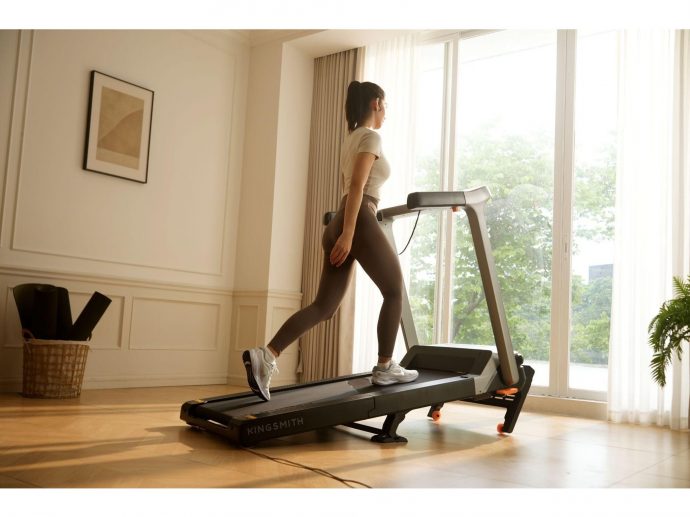
WalkingPad G5i as a high-incline residential treadmill that does not require a permanent gym-sized footprint. Its 18% maximum incline leads this home-focused shortlist, while 25 adjustment levels support gradual walking, hill intervals, and running progression.
The G5i reaches 10 mph, supports up to 300 lb, and provides a 51.2 x 19.7-inch running area. As a compact treadmill, it folds to 45.7 x 33.4 x 10.2 inches for flat or vertical storage and arrives fully assembled. SpeedDial controls and the free KS Fit app add convenience without making a paid workout membership essential.
2. Echelon Stride-6 - Best Auto-Folding Home Incline Treadmill
The 2026 Echelon Stride-6 combines a 20.5 x 60-inch running deck with one-touch automatic folding. Its 12.5% incline, 12.5 mph top speed, 300 lb capacity, transport wheels, and no-assembly setup make it practical for runners using an apartment, spare bedroom, or shared workout room.
4. Horizon 7.4 AT - Best Home Incline Treadmill for Intervals
The Horizon 7.4 AT is built for runners who change speed and grade frequently. QuickDial controls, a 15% maximum incline, 12 mph speed, 22 x 60-inch deck, 350 lb capacity, and Sprint 8 programming suit structured hill repeats and interval sessions without relying on a built-in premium touchscreen.
6. ProForm Carbon TLX - Best Value for Connected Incline Training
The ProForm Carbon TLX covers the fundamentals of residential incline running: a 20 x 60-inch belt, 0-12% incline, speeds up to 12 mph, 300 lb capacity, cushioning, a 7-inch LCD, and EasyLift folding. Users connect their own phone or tablet instead of paying for a large integrated display.
Best Home Incline Treadmill Brands
These brands qualify because they currently sell consumer treadmills for residential use in the United States and publish product specifications, support information, and warranty terms. Brand inclusion does not mean every model fits every home.
WalkingPad
WalkingPad specializes in space-conscious home fitness, including walking pads, hybrid machines, and foldable running treadmills. The G5i is its strongest incline option for buyers who want a high grade without committing an entire room to equipment.
Echelon
Echelon positions the Stride range for apartments, home gyms, and shared spaces. Its strength is combining connected training and a conventional running deck with low-effort storage.
NordicTrack
NordicTrack is established in connected home cardio and offers automatic terrain adjustment through iFIT. Buyers should distinguish its mainstream folding home treadmills from much larger incline trainers that require dedicated space.
Horizon Fitness
Horizon Fitness emphasizes durable home running platforms, physical interval controls, external app compatibility, and published hardware coverage. It suits users who do not want the machine centered on one proprietary touchscreen ecosystem.
ProForm
ProForm offers consumer folding treadmills across value and connected-training tiers. Models such as the Carbon TLX use the buyer's device for iFIT, reducing console cost while retaining automatic workout adjustments.
Is a Foldable Incline Treadmill Worth It?
A folding design is valuable when a bedroom, office, or living area must return to another use after training. Flat or vertical storage reclaims more room than a deck that only lifts, but even a lifting deck can improve access around a full-size machine. Always compare folded dimensions and moving weight.
Frequently Asked Questions
What is the best incline treadmill for home use in 2026?
The WalkingPad G5i is our best overall pick because its 18% incline, 10 mph top speed, 300 lb capacity, and flat or vertical storage balance training range with home practicality. Taller runners should still compare its 51.2-inch belt with 60-inch alternatives.
Which home treadmill in this guide has the highest incline?
The WalkingPad G5i has the highest maximum incline in this residential shortlist at 18%, followed by the Horizon 7.4 AT at 15%. Steeper incline trainers exist, but their larger footprints and dedicated-space requirements put them outside this home-use comparison.
Conclusion
The WalkingPad G5i is the best overall home incline treadmill in this comparison because it pairs an 18% grade with running speed and unusually compact storage. Choose Echelon for automatic folding and a 60-inch deck, NordicTrack or Peloton for guided training, Horizon for intervals, and ProForm for value. Measure the room and verify current price and membership terms before buying.
Comments
