Categories more
- Adventures (62)
- Arts / Collectables (14)
- Automotive (77)
- Aviation (65)
- Bath, Body, & Health (123)
- Children (6)
- Cigars / Spirits (71)
- Cuisine (66)
- Design/Architecture (22)
- Electronics (63)
- Entertainment (36)
- Event Planning (115)
- Fashion (45)
- Finance (10)
- Gifts / Misc (6)
- Home Decor (118)
- Jewelry (41)
- Pets (3)
- Philanthropy (1)
- Real Estate (16)
- Services (44)
- Sports / Golf (14)
- Vacation / Travel (85)
- Watches / Pens (33)
- Wines / Vines (34)
- Yachting / Boating (67)



Best Specialty Camp in Ventura: 7 Niche Programs Ranked by What Kids Actually Learn


Published
09/07/2026Picking the best specialty camp near Ventura — or any within a weekend drive — should be exciting rather than stressful. Start with two quick checks: did your child help choose the theme, and does the schedule give them daily, repeatable practice? We rank each program by learning outcomes first, then by accreditation, staff screening, and all-in fees. This guide shows exactly what your child can do when camp ends, whether that is sticking an aerial catch, debugging a robot, or navigating a trail by compass.
How We Ranked the Best Specialty Camps Near Ventura
Popularity did not drive this list; measurable learning did. Each camp earned a composite score from five weighted factors:
- Learning depth and demonstrable outcomes (40 percent). Does the schedule give kids daily, coached practice that ends in a project, performance, or skill they can show at home?
- Breadth of meaningful choice (20 percent). Can campers pick a focus that matches their passion instead of sampling at random?
- Independent accreditation and safety signals (20 percent). We confirmed American Camp Association accreditation, background-check methods, ratios, and on-site healthcare.
- Specialised instructors and gear (10 percent). Professionals with the right equipment accelerate real progress.
- Fee inclusivity and session flexibility (10 percent). Transparent, all-in pricing and multiple session lengths make a camp more parent-friendly.
Why Learning Depth Carries the Most Weight
Sampling a trapeze once is fun, but it will not build muscle memory. We rewarded camps that reserve at least two hours of coached practice every day and end the session with something tangible: a choreographed aerial routine, a programmed robot, or a hand-drawn trail map your child can repeat at home. If a provider could not explain that “after” picture in plain English, it did not make the list.
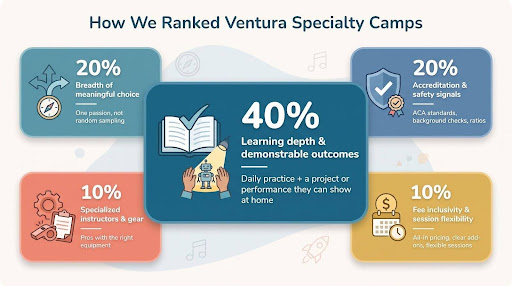
Safety, gear, and pricing together account for the remaining 40 percent. A camp climbs the podium only when solid safeguards and transparent pricing reinforce its learning depth.
Quick Comparison of the Seven Specialty Camps
Use the grid below to match camps to your child's goals, age, and budget, then read the full reviews.
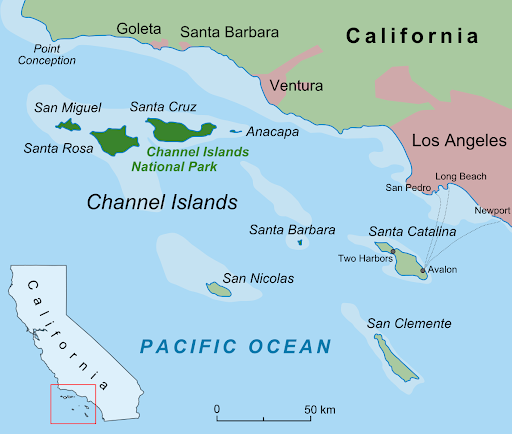
Southern California map of top Ventura-area specialty camps
|
Rank and program |
Location |
Core outcome |
Age tiers |
Accreditation |
Fee inclusivity |
Lodging |
|
1. Pali Adventures |
Running Springs, San Bernardino Mountains (about 90 minutes east of Los Angeles) |
One chosen specialty drilled every morning, such as Flying Trapeze or Movie Make Up |
6–16, tiered |
ACA and WAIC |
Not published |
Overnight cabins |
|
2. Ojai Valley School |
Ojai, Ventura County |
Three-week tracks in robotics, flight, equestrian, theatre, and outdoors |
3–15 (resident 8–15) |
ACA, WASC school |
Bundled tuition |
Dorm rooms |
|
3. Amplify Sleep Away Camp |
Ojai, Ventura County |
Music, media, and arts projects ending in a showcase |
Grades 3–12 |
ACA |
All-inclusive |
Cabin bunks |
|
4. AstroCamp |
Idyllwild, Riverside County |
Hands-on STEM builds: rockets, drones, robotics |
7–17, track specific |
ACA |
Bundled tuition |
Dorm buildings |
|
5. Catalina Sea Camp |
Catalina Island |
Marine-science labs plus snorkelling and kayaking |
8–17 |
ACA |
Published per session |
Island cabins |
|
6. Ventura Wild |
Ventura and Ojai trailheads |
Nature literacy, mapping, survival skills |
3–13 |
No ACA; 4:1 ratio |
A la carte weekly |
Day program |
|
7. City of Ventura Specialty Camps |
Ventura |
Short introductions to cooking, sewing, detective reasoning |
7–12, varies |
Municipal oversight |
A la carte per class |
Day program |
Verify session length and add-on fees before booking.
1. Pali Adventures: Best Overall for Camper Choice and Week-Long Skill Depth

Pali Adventures specialties page
What Campers Learn
Located in Running Springs in the San Bernardino Mountains, about 90 minutes east of Los Angeles, Pali is an overnight, residential-only camp — note that it sits outside Ventura County, so budget the drive. The Pali Adventures specialties page lists 27 options across three tracks: Adventure, Creative, and Performance. Campers lock in one focus, such as Flying Trapeze, Motorsports, Movie Make Up, or DJ Camp, and spend three coached hours on it each morning. By Friday a tween can land an aerial catch and a teen may shave lap times in a racing kart. Afternoon electives add variety, but the morning block stays dedicated to practice, feedback, and measurable progress.
Safety, Age Tiers, and the All-Inclusive Model
Pali holds accreditation from both the American Camp Association and the Western Association of Independent Camps. Staff pass LiveScan and U.S. Department of Justice background screening and hold first-aid, CPR, and AED certifications. A better-than-3:1 ratio is backed by round-the-clock nurses and radio-linked supervisors.
Age groups are deliberate:
- Mini Camp, 6–8: guided rotations to sample every zone
- Juniors, 8–12: choose a specialty while building away-from-home confidence
- Seniors, 13–16: deeper challenges and skill targets
Pali does not publish pricing; families should contact the camp directly. The all-inclusive model means meals, lodging, activities, and specialties carry no added fees.
2. Ojai Valley School Summer Programs: Best for a Three-Week Multi-Specialty Deep Dive
What Campers Learn
Set in Ojai, this resident program treats summer like an academic term with adventure woven in. Over three weeks, robotics students program Arduinos, 3D-print custom parts, and coach their bots through obstacle courses. Budding pilots master drone safety on simulators, then hand-launch foam aircraft they have built and tuned. Daily barn time moves equestrians from groom-and-tack basics to independent arena work, while theatre students rehearse lines, choreography, and lighting for a full production. Outdoor education teams map local trails, tie rescue-grade knots, and practise wilderness first aid before leading a student-planned hike. Every track follows the same rhythm: theory in the morning, supervised application in the afternoon, reflection at night.
Accreditation, Session Model, and Best Fit
The summer program carries full ACA accreditation plus the school's WASC academic seal. Resident sessions run three or six weeks for ages 8–15, giving instructors time to coach through the trial-and-error phase most one-week camps skip; day options serve younger locals from age 3. Tuition is bundled, so families budget extra only for transport or personal riding gear.
3. Amplify Sleep Away Camp: Best for Music and Creative Portfolio Building
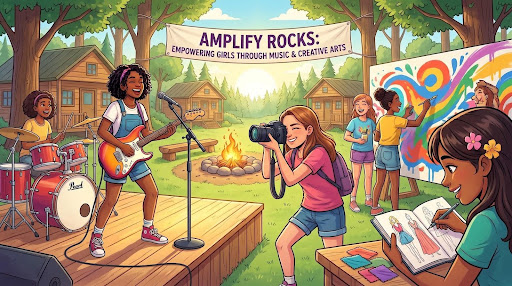
Amplify Sleep Away Camp
What Campers Learn
Based in Ojai, Amplify runs like a two-week arts conservatory with campfire evenings. On day one campers choose a major — songwriting, rock band, music production, musical theatre, photography, film, fashion, or fine arts — and spend each morning in focused workshops. Songwriters draft verses, test chord progressions with bandmates, and refine melodies in twilight mentor sessions. Filmmakers storyboard, shoot on professional cameras, and edit until their shorts lock. Artists move sketches to gallery-ready canvases, and fashion designers drape fabric, fit garments, and rehearse the runway. Departure day ends with a live performance or curated exhibition, so every camper leaves with a portfolio piece.
Audience, Accreditation, and Inclusions
Amplify is girls-focused, serving rising 3rd–12th graders who want a creative space free of social noise. It holds full ACA accreditation. Published tuition bundles lodging, meals, gear, studio time, gallery supplies, showcase production, and trips into Ojai; families budget only for transport or optional one-to-one lessons.
4. AstroCamp: Best for Hands-On STEM and Space Exploration
What Campers Learn
In Idyllwild, AstroCamp's Specialty Week drops kids into a working science lab and then lets them run it. Mornings focus on rocket design: sketch fins, 3D-print prototypes, tweak nose cones, and launch test models across the valley. Afternoons shift to robotics, where teams code microcontrollers, solder circuits, and watch their bots navigate mazes autonomously. After dinner the sky takes over; resident astronomers guide campers as they align telescopes, capture nebula images, and map constellations for a take-home star log. By week's end participants can explain thrust-to-weight ratios, basic control loops, and why the Ring Nebula looks like cosmic smoke — all backed by projects they built.
Accreditation, Age Range, and Structure
AstroCamp holds full ACA accreditation, so chemistry demonstrations and high-rope belays run under vetted protocols. One-week Explorer sessions serve ages 7–13, while two-week Adventures and Specialty Week go deeper for ages 10–17. Tuition is published per session and bundles lodging, meals, activities, and lab supplies.
5. Catalina Sea Camp: Best for Marine Science and Ocean Skills
What Campers Learn
Set on Catalina Island, about an hour by ferry from the mainland, this program turns the Pacific into a living lab. Mornings might mean dissecting squid to study jet propulsion or sampling plankton to track biodiversity. Afternoons move from theory to practice: snorkelling through kelp forests, kayaking past sea-lion haul-outs, or climbing the crow's-nest ropes element to feel ship-rigging physics. Waterfront staff fold safety drills into every session, so campers master fin kicks, buddy checks, and compass navigation before heading further offshore. By week's end they can name common Pacific species, read tide charts, and explain how ocean acidification erodes reef rock.
Safety Credentials and Questions to Confirm
The program holds full ACA accreditation, with certified lifeguards and oxygen at every dive platform. Before booking, confirm whether snorkel sessions restrict full-face masks, whether tuition covers round-trip ferry tickets and wetsuit rental, and what the swim-test requirements and rough-sea contingencies are.
6. Ventura Wild: Best Local Day Camp for Nature Literacy and Survival Skills
What Campers Learn
Operating on trailheads around Ventura and Ojai, Ventura Wild turns nearby hillsides into living textbooks. Each morning guides hand campers a compass and an unmarked map, then step back while teams debate bearings and contour lines. Along the way kids identify coyote scat, tell black sage from white, and apply the universal edibility protocol to local plants. Journals fill with track sketches, cloud types tied to weather shifts, and knot diagrams practised on canyon boulders. The Survival Skills track for ages 10–13 digs deeper: building debris shelters, striking one-match fires under damp oak, and running mock search-and-rescue drills. By Friday, campers can orient by the sun and explain how chaparral rebounds after wildfire.
Small Groups, Safety, and Practical Limits
Groups cap at four campers per naturalist, with staff holding Wilderness First Aid and CPR credentials and carrying satellite messengers on remote days. The program is day-only; families handle transport and lunches. It is not ACA-accredited, though detailed safety protocols appear on the organisation's site. Fees run a la carte by week, with scholarship support for qualifying families.
7. City of Ventura Specialty Camps: Best for Short, Skill-Specific Introductions
What Campers Learn
Run at city community centres, these half-day sessions feel like skill tastings. Cooking Creations campers chop produce, sauté on tabletop burners, and leave with a bound cookbook of the week's recipes. Spy Kids crack coded messages, dust for fingerprints, and test situational awareness on a mock mission. In Sewing Basics, kids thread machines, practise straight seams, and finish a drawstring bag. Each program lasts three to five days, giving kids a low-risk way to discover what excites them before you commit to a longer resident camp.
Best Fit and Limitations
Most sessions target ages 7–12. Fees appear in the seasonal Parks and Recreation guide and include materials; scholarships open each spring. The trade-offs are real: half-day blocks limit deep repetition, and safety oversight rests with individual vendors rather than the ACA. If your child already loves culinary arts or robotics, a resident camp builds mastery faster.
Frequently Asked Questions About Specialty Camps Near Ventura
What Is the Best Age for a First Overnight Specialty Camp?
No single birthday guarantees readiness. Most camps see success between ages 8 and 10, when a child can handle bedtime routines, wake on schedule, and enjoy sleepovers without late-night calls home. Emotional maturity matters more than age: a confident eight-year-old may thrive, while an anxious tween might start with a day program and try an overnight session the following summer.
How Can Parents Verify ACA Accreditation?
Visit the American Camp Association's public directory, enter the camp name, and look for the accredited badge for the current season. Member status alone is not the same thing — accreditation means the camp has completed a peer review of up to 300 standards, verified by an on-site visit every three years. Confirm the accreditation year matches your session before booking.
ACA Find-a-Camp directory
Are Specialty Camps Better Than Traditional Camps?
Only if depth matters more than breadth for your child right now. Specialty programs drill one passion until muscle memory sticks, which suits kids who already know their lane. Traditional camps cast a wider net: archery at nine, canoeing at ten, arts at eleven. Hybrid models such as Pali offer a focused morning specialty plus afternoon electives. Choose discovery or mastery based on where your child is today.
What Costs Should Parents Ask About Before Enrolling?
Start with tuition, then confirm in writing whether it includes lodging, meals, specialty gear, elective fees, transport, store accounts, and any certification courses or off-site trips. Ask about session length, refund windows, and payment-plan charges. Remember that Pali does not publish pricing and families should contact the camp directly. Keep a copy of the full breakdown to avoid surprise add-ons.
Conclusion: How to Choose the Right Specialty Camp for Your Child
Before comparing prices or cabin photos, picture pickup day. Do you want to hear an original song, watch a choreographed aerial routine, see a robot dodge obstacles, or follow a child who can navigate by compass? Start with that goal and the details — session length, instructor depth, gear needs — fall into place.
.jpg)
Overnight camp works only when basic self-care is second nature. If your child still needs reminders to shower, brush teeth, or fall asleep without a screen, start with a day program. Once they manage those routines and a weekend away without a late-night pickup, try a one-week resident session. Multi-week intensives suit kids who thrive on structure and already want more practice than a sampler can give.
California does not license every camp category, and state oversight of children's camps is still being worked out. Until rules are settled, ask for written proof of:
- ACA accreditation or equivalent standards
- Background-check method and staff-to-camper ratio
- On-site healthcare and emergency communication
- Meal plans, lodging type, and transport logistics
- Included gear, elective fees, store accounts, and refund terms
A complete answer to each point lets you compare camps on facts rather than guesswork.
Comments
