Categories more
- Adventures (62)
- Arts / Collectables (14)
- Automotive (77)
- Aviation (65)
- Bath, Body, & Health (123)
- Children (6)
- Cigars / Spirits (71)
- Cuisine (66)
- Design/Architecture (22)
- Electronics (63)
- Entertainment (36)
- Event Planning (115)
- Fashion (45)
- Finance (10)
- Gifts / Misc (6)
- Home Decor (118)
- Jewelry (41)
- Pets (3)
- Philanthropy (1)
- Real Estate (16)
- Services (44)
- Sports / Golf (14)
- Vacation / Travel (85)
- Watches / Pens (33)
- Wines / Vines (34)
- Yachting / Boating (67)



Beyond the Shingles: How to Vet a Roofing Contractor's Real Value

Published
10/08/2026 by By a roofing and restoration industry contributor.A new roof is one of the biggest investments you can make in a property. It's easy to focus on the final price, comparing bids based on the bottom line. But the true cost of a roofing project is not on the estimate. It's hidden in the contractor's work process, safety plans, and how they handle materials. A mistake here doesn't just lead to leaks; it can create major structural problems, insurance nightmares, and safety issues.
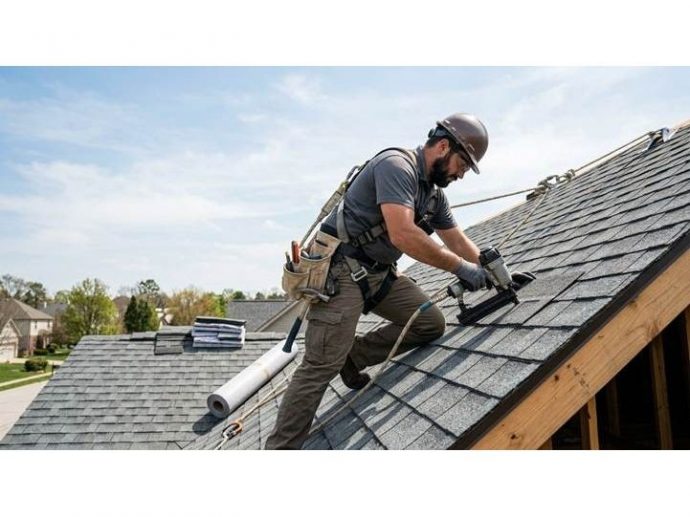
The work itself is very dangerous. According to the U.S. Bureau of Labor Statistics, roofing contractors accounted for 26.0 percent of all fatal falls, slips, and trips in the construction industry in 2023. This fact shows why a contractor's insurance and safety record are very important signs of how professional they are. A company that cuts corners on safety is likely cutting corners on other things, too.
Checking a contractor means looking at their ability to manage this risk and deliver a roof that performs well. A properly installed roof does more than keep out rain. Research from the Florida Solar Energy Center at the University of Central Florida shows that heat gain through the roof and attic can make up 20% of a home's air conditioning costs. This is why a complete approach to local roofing and restoration must include ventilation and insulation, not just shingles. Choosing the right commercial roofing contractor means knowing how to ask questions that show what they know in all these areas.
Quick answer: To compare roofing contractors well, you must look past the final price. Focus on checking their insurance, understanding their safety plan, asking about their materials, and looking closely at the details of their labor warranty. A low bid often signals a high risk.
What's inside
- What's the Difference Between a Quote and a Real Bid?
- How Can I Verify a Contractor's Insurance and Licensing?
- What Material Questions Reveal a Roofer's Expertise?
- Frequently Asked Questions About Roofing Projects
What's the Difference Between a Quote and a Real Bid?
A quote is often a quick guess, while a detailed bid is a solid offer that should be part of your contract.
Many contractors provide a quick "quote" based on square footage or a measurement from an aerial photo. This number can be misleading because it often leaves out important details. It might not include the cost of tearing off multiple old roof layers, replacing rotted wood, or upgrading ventilation to meet current building codes. These are the exact items that lead to expensive extra charges after the work has already started.
A formal bid, or proposal, is very different. It is a complete document that breaks down the entire project. It should list the exact type and brand of shingles, underlayment, and flashing. It must also detail labor costs, dumpster and disposal fees, and the cost of any needed permits. This level of detail protects you by clearly stating all the work and materials, leaving no room for confusion.
The part of the bid about labor is an important sign of quality. According to the U.S. Bureau of Labor Statistics, the mean hourly wage for roofers was $26.85 in 2023. The Bureau's data also shows a national median wage of $24.05 per hour. A bid that seems unusually low may mean the contractor is cutting corners on labor. They might be hiring less experienced workers or not classifying their employees correctly to avoid paying for proper insurance.
❝ When comparing bids, focus on the line items, not just the total. If one proposal leaves out details like ice and water shield, starter strips, or specific ventilation products, it is not a true comparison. It is an incomplete plan that creates risk for you, the property owner.
How Can I Verify a Contractor's Insurance and Licensing?
You must ask for certain papers directly from the contractor and then check that they are real with the companies that issued them.
A good contractor carries two very important insurance policies: general liability and workers' compensation. General liability covers any damage they might cause to your property, like a ladder falling through a window. Workers' compensation covers injuries to their crew while on your property. Without it, you could be held responsible for a worker's medical bills if they get hurt. Both policies are non-negotiable for your protection.
Ask for a Certificate of Insurance, or COI. This one-page document lists their coverage, policy numbers, and expiration dates. Do not accept a photocopy from the contractor. A common red flag is a changed or expired document.
❝ Ask the contractor to have their insurance agent email the COI directly to you. This is the only way to be sure the policies are active and the coverage amounts are accurate. You can also request to be listed as a certificate holder, so you are told if the policy is canceled.
Licensing requirements are very different by state and even by city. Check your local building department's website for contractor rules. A license shows that a contractor has met a minimum level of skill and is financially stable. A contractor who claims a license is not needed or suggests you pull the permit yourself is trying to avoid being checked out.
Beyond licenses required by the government, look for manufacturer certifications. They don't have to get them, but these certifications show they are serious about a brand's specific rules for installation. For example, a certification like GAF Master Elite is difficult to get. It requires special training, a history of good work, and enough insurance coverage. Only a very small percentage of all roofing contractors have this level of certification. It often gives you access to better material and labor warranties that uncertified installers cannot offer.
What Material Questions Reveal a Roofer's Expertise?
The best questions focus on the entire roofing system and its ventilation, not just the brand of shingle you can see from the street.
A modern roof is a system of parts that are made to work together. While shingles are the top layer you see, how well they work depends on what is underneath. This includes the underlayment (a water-resistant barrier), ice and water shield (a self-sealing membrane for eaves and valleys), starter strips, and hip and ridge cap shingles. A contractor who only talks about the shingle brand is missing the bigger picture. You can tell they are an expert when they can explain how these parts work together.
For example, ask what type of underlayment they plan to use. Traditional asphalt-saturated felt was the standard for decades, but modern synthetic underlayments are much harder to tear and more stable. If a project is delayed by weather, a synthetic underlayment can protect your home's wood decking from rain for weeks or even months, but felt can wrinkle or tear when exposed. This detail shows a contractor is thinking about what might go wrong with the project, not just the finished product.
Ventilation is another very important area. A properly ventilated attic makes your shingles last longer and can lower energy costs. The goal is a steady flow of air from your soffit vents (intake at the lower edge of the roof) to ridge vents (exhaust at the peak). According to the U.S. Department of Energy, proper ventilation helps remove heat and moisture, and that prevents damage to the roof structure and insulation. An expert contractor will inspect your current ventilation and figure out if it meets today's code and manufacturer requirements.
❝ Ask a potential contractor: "How will you make sure the new roof has balanced and enough ventilation? Can you explain the calculation you use for the net free vent area my attic requires?" An expert will have a clear answer; a less experienced installer may not.
Finally, ask if they are using a complete, warrantied system from a single manufacturer. Mixing and matching parts, such as using one brand of shingles with another's starter strip, can cancel the manufacturer's warranty. A contractor who uses a complete system from one company is showing they care about quality and making sure you get the full protection of the warranty you are paying for.
Frequently Asked Questions About Roofing Projects
What is the 25% rule in roofing? This is a guideline used by many insurance companies, not a law everywhere. It generally states that if 25% or more of a single roof slope is damaged by an event like a hailstorm, the insurer may agree to pay for the replacement of that entire slope. This is done to avoid a mismatched, "patchwork" look and to make sure the whole slope has the same strength and ages the same way.
How can I estimate the cost for a large roof replacement? A simple price-per-square-foot is often misleading because it ignores important factors. The final cost depends heavily on the roof's pitch or steepness, the number of old shingle layers that need to be torn off, and the condition of the wood underneath. A detailed, on-site inspection is the only way to get an accurate bid that includes these factors and the specific materials you choose.
What are some red flags that a roofer might be untrustworthy? Be cautious if a contractor asks for the full payment or a very large cash deposit before any materials arrive at your property. High-pressure sales tactics, such as a "special price" that is only good if you sign right away, are another major warning sign. Finally, check that they have a real, physical business address, not just a P.O. box or a cell phone number.
Should my roofer handle my insurance claim? A good roofer can be a big help during the insurance process. They can record damage with photos and meet with your insurance adjuster on-site to point out issues the adjuster might miss. However, a roofer is not a public adjuster and cannot legally settle the claim for you. You should always be the one to sign off on any agreements with your insurance provider.
When is a roof repair a better choice than a full replacement? A repair makes sense for damage in one small spot on a roof that is still in the first half of how long it's supposed to last. For example, replacing a few shingles blown off in a windstorm is a perfect case for a repair. If your roof is approaching 20 years old or has problems all over, like extensive granule loss or curling shingles, a full replacement is usually the cheaper choice in the long run.
Choosing a Partner, Not Just a Price
Choosing a roofing contractor is a big decision for any property owner. The process involves more than just comparing bottom-line prices. A truly professional bid is a detailed plan for a system with many parts, not just a number. The most important thing you can do is to look past the total cost and focus on how complete the proposal is and the skill of the team behind it.
The right contractor provides a clear bid that lists every item and includes the entire roofing system, including underlayment, ventilation, and flashing. They can explain why each part is needed and how it helps the roof's performance for years to come. This detailed approach protects you from unexpected costs and makes sure the work meets the manufacturer's rules and local building codes, protecting your investment for decades.
About the author
Reliable Roofing & Restoration Inc. is a family-owned company that has served Colorado's Front Range since 1997. The firm specializes in residential and commercial roofing systems, with a focus on storm damage restoration and assisting property owners through the insurance claims process. As a GAF Master Elite Contractor, the team is trained in the installation of complete, manufacturer-warrantied roofing systems. Their work includes detailed property inspections and project management for clients from Fort Collins to Colorado Springs.
Comments
