Categories more
- Adventures (62)
- Arts / Collectables (14)
- Automotive (77)
- Aviation (65)
- Bath, Body, & Health (123)
- Children (6)
- Cigars / Spirits (71)
- Cuisine (66)
- Design/Architecture (22)
- Electronics (63)
- Entertainment (36)
- Event Planning (115)
- Fashion (45)
- Finance (10)
- Gifts / Misc (6)
- Home Decor (118)
- Jewelry (41)
- Pets (3)
- Philanthropy (1)
- Real Estate (16)
- Services (44)
- Sports / Golf (14)
- Vacation / Travel (85)
- Watches / Pens (33)
- Wines / Vines (34)
- Yachting / Boating (67)



CASP passporting under MiCA: operating across 27 EU states

Published
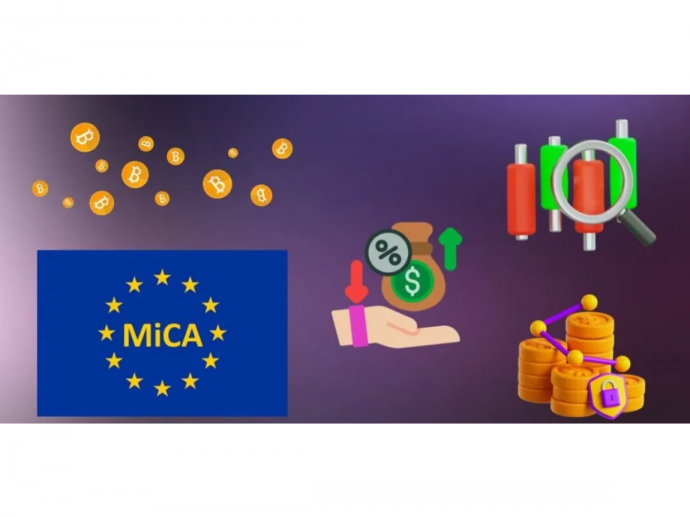
06/30/2026Obtaining a MiCA license acts as a master key for businesses hungry to grow across the continent. Passporting turns the vision of a unified market into a tangible reality, allowing you to provide services across every EU member state without petitioning individual national authorities for permission. This framework changes the landscape for crypto-asset service providers, shifting the focus from fragmented local registrations to a single, powerful authorization.
The mechanics of passporting
Europe functions as a single economic zone, and MiCA formalizes this reality for crypto firms. The process begins with your "home member state." You apply for authorization with the regulator in the country where you establish your registered office. Once this specific national regulator grants your license, you gain the right to operate throughout the entire European Economic Area.
The notification process is straightforward but requires precision. You inform your home regulator of your intention to expand. They transmit this information to the European Securities and Markets Authority (ESMA), which then adds your firm to a public register. Following a 20-working-day notification period, you gain the right to operate in all other EEA member states without seeking individual national approvals. You do not wait for separate approvals from every single country, which saves months of administrative delays and legal costs.
Operational realities in a unified market
Expansion across diverse jurisdictions brings complexity. While your license covers the right to provide services, you still face local nuances regarding consumer protection and anti-money laundering reporting. Regulators in different member states have specific requirements regarding how you must interact with and protect their local user base.
You must remain vigilant regarding specific operational domains:
- Localized marketing and advertising standards.
- Different reporting formats for suspicious transaction activity.
- Varying tax compliance requirements for your users.
- Specific language requirements for client agreements.
These points demand diligent attention. An EU passport covers the right to conduct business, but this status does not erase the duty to respect national laws. You must adapt your internal systems to recognize these geographic differences. If you fail to acknowledge local financial regulations or consumer rights, you risk losing your passporting privileges in those specific markets.
Selecting your home base
Your choice of home member state determines your primary regulator. This decision carries weight, as it dictates your first point of contact for audits, capital requirement checks, and communication. Factors like banking access, proximity to talent pools, and the openness of the local regulator to crypto innovation drive this choice.
Invest time in your location strategy. Some countries offer faster processing times, while others provide deeper pools of legal and technical expertise. You want a regulator who understands your specific business model. A positive relationship with your primary regulator creates a solid foundation for your European expansion.
Expert guidance for your expansion
Navigating this regulatory maze requires deep experience. Firms such as SBSB Fintech Lawyers, which have extensive track records in the Fintech and Crypto sectors, can assist in structuring business models to fit under MiCA protocols. Partnering with experienced legal counsel can help ensure you navigate the notification process and national regulator interactions with greater precision.
Success in the EU market depends on preparation. Start early, map out your service jurisdictions, and keep your documentation ready for regulators in every corner of the Union. You gain a significant advantage by setting up your compliance framework before you submit your application, as a clean and orderly file speeds up the approval process significantly. Treat your license as an asset that you must maintain with care and attention, and you will find the European market ripe for growth.
Comments
