Categories more
- Adventures (62)
- Arts / Collectables (14)
- Automotive (77)
- Aviation (65)
- Bath, Body, & Health (123)
- Children (6)
- Cigars / Spirits (71)
- Cuisine (66)
- Design/Architecture (22)
- Electronics (63)
- Entertainment (36)
- Event Planning (115)
- Fashion (45)
- Finance (10)
- Gifts / Misc (6)
- Home Decor (118)
- Jewelry (41)
- Pets (3)
- Philanthropy (1)
- Real Estate (16)
- Services (44)
- Sports / Golf (14)
- Vacation / Travel (85)
- Watches / Pens (33)
- Wines / Vines (34)
- Yachting / Boating (67)


Choosing A Fence That Fits Colorado’s Weather, Wildlife, And Wildfire Risk In 2026

Published
08/10/2026Key Takeaways
- Choose a fence based on your property's needs, including privacy, security, safety, and local environmental conditions.
- Compare materials by considering durability, maintenance requirements, and performance in Colorado's sun, wind, snow, and wildfire conditions.
- Verify local regulations, plan for proper installation, and prioritize quality posts and gates for long-term reliability.
A Colorado fence has to do more than frame a yard or add privacy. It may face intense sun, heavy snow, wind, dry conditions, steep grade changes, freeze-thaw cycles, wildlife traffic, and local wildfire concerns. The best choice starts with how the property works, not simply which style looks good in a catalog.
For property-specific planning, GreenView Solutions offers guidance on boulder fence installation for residential and commercial properties, including custom wood, metal, vinyl, composite, privacy, gate, and fire-mitigation fencing. Its Boulder page focuses on weather-ready material choices for conditions such as snow, sun, and freeze-thaw movement, with service extending across Boulder and the Denver Metro area, including nearby communities such as Longmont and Lafayette.
Start With The Fence's Main Job
Before comparing materials, identify the two most important jobs the fence must perform. A privacy fence designed for a sheltered backyard may not be the right answer for a wind-exposed corner lot, a foothill property near open space, or a commercial side yard that needs reliable access control.
- Privacy: Blocking views, defining an outdoor living area, or reducing visual distractions.
- Pet and child safety: Limiting gaps, strengthening gate control, and reducing escape points.
- Wildlife control: Discouraging deer or other animals while avoiding unnecessary hazards.
- Security: Marking boundaries and controlling access around a home, rental, or business.
- Appearance: Complementing the home, landscape, neighborhood, or building exterior.
- Fire readiness: Reducing combustible materials near structures where wildfire exposure is a concern.
Match Materials To Colorado Conditions
Wood Fencing
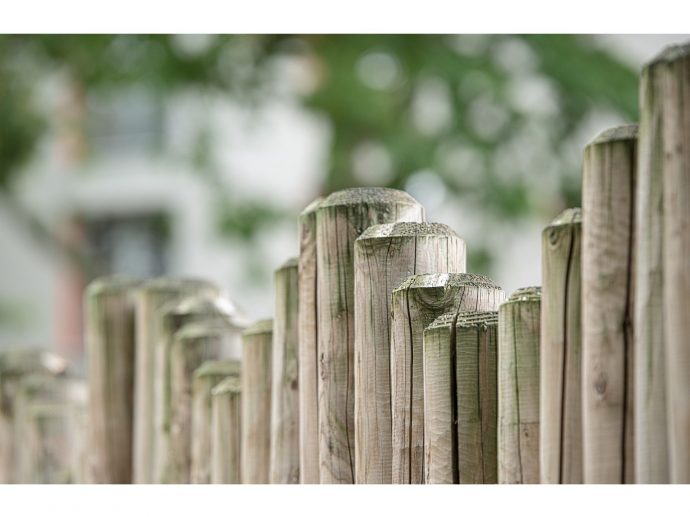
Cedar and treated wood remain popular because they create a warm, natural privacy barrier. Wood needs regular attention, however. Stain or sealant, good drainage, airflow around the boards, and periodic inspections help manage weathering caused by sun, snow, moisture, and dry air. Durable posts and quality hardware are especially important because a good-looking panel cannot compensate for a weak foundation.
Metal Fencing
Aluminum and steel fencing can suit properties that need visibility, security, lower routine upkeep, or a more open feel. Coating quality and corrosion-resistant fasteners matter in every climate. Open metal designs can also reduce wind pressure compared with solid panels. Near a home or deck, noncombustible metal sections may be worth considering as part of a broader wildfire-conscious landscape plan.
Vinyl And Composite Fencing
Vinyl offers a clean, consistent appearance with little painting or staining. Still, secure posts, proper spacing, and careful installation matter, particularly in areas with cold temperatures and frequent impacts. Composite fencing can provide a wood-like appearance with less refinishing and generally good resistance to insects, fading, and moisture. Compare warranties, expansion details, available colors, and the practicality of replacing one damaged section before deciding.
Plan For Sun, Snow, Wind, And Soil Movement
- Check sun exposure. Strong afternoon sun can accelerate weathering and color changes.
- Review drainage. Do not direct runoff toward posts or allow water to collect at low fence sections.
- Study wind patterns. Solid panels catch more wind, while open designs can reduce pressure on posts.
- Plan snow storage. Plowed or shoveled snow can press against fences and block gates.
- Map grade changes. Sloped yards may require stepped panels, racked panels, or a custom layout.
- Focus on posts. Post depth, footing design, and placement often determine long-term performance.
Give Gates And Posts Extra Attention
Gates work harder than nearly any other part of a fence. They are opened, slammed, pushed by snow, and used by people, pets, vehicles, and equipment. Plan gate locations around driveways, trash access, walkways, snow piles, and lawn equipment. Specify properly sized gate posts, heavy-duty hinges, dependable latches, and enough clearance to avoid dragging. Automatic gates may also require power, safety sensors, and ongoing professional inspection.
Consider Wildfire Risk Close To The Home
A combustible fence connected directly to a deck, siding, stored materials, or dense landscaping can create a pathway for flames and embers. Review the area immediately around the home, including the first five feet, and consider whether a noncombustible section or break is appropriate. Requirements and recommendations can vary, so confirm current expectations with the local fire authority, building department, insurer, and HOA before construction.
Protect Wildlife While Defining A Boundary
Fence height, spacing, wire placement, visibility, and location can all affect deer and other animals. Properties near foothills, open space, drainage corridors, trails, or agricultural land should be assessed for regular wildlife movement. Avoid sharp, loose, poorly visible, or overly restrictive features where animals commonly travel. Colorado State University Extension's wildlife-friendly fencing guidance is a useful resource for understanding designs that reduce entanglement and allow safer passage where appropriate.
Check Rules Before Ordering Materials
City, county, HOA, utility, easement, and right-of-way rules may affect fence height, placement, materials, setbacks, and corner-lot sight lines. Confirm property boundaries before replacing a shared fence, and get written approval when an HOA or neighboring owner is involved. For general questions about Colorado fence law, review Colorado State University Extension's fencing resource, then verify the current local rules that apply to the specific property.
Compare Maintenance Before Comparing Price
- Expected cleaning, staining, sealing, or repainting needs.
- Cost and availability of replacement panels, boards, posts, and hardware.
- Warranty terms, exclusions, and who handles repairs.
- Ability to repair one damaged section instead of replacing a larger run.
- The time the owner is realistically willing to spend on annual upkeep.
Use A Simple Planning Process
- Measure the approximate fence line and mark gates, trees, utilities, slopes, and drainage concerns.
- Write down the top two goals for the fence.
- Compare at least three materials suited to the site.
- Check codes, HOA rules, easements, and property-line information.
- Ask how the proposed design will handle wind, snow, sun, soil, and gate use.
- Request written estimates that separate materials, labor, demolition, permits, gates, and cleanup.
Common Fence Planning Mistakes
- Choosing based only on appearance.
- Ignoring prevailing wind and snow-storage locations.
- Using light hardware on a large or frequently used gate.
- Skipping boundary, easement, or HOA research.
- Installing combustible fencing directly against the home without reviewing wildfire exposure.
- Comparing estimates with different post sizes, hardware, warranties, or cleanup standards.
Build Around The Property, Not Just The Product
A durable Colorado fence begins with a clear purpose and an honest assessment of the site. When the material, layout, posts, gates, wildlife considerations, fire readiness, and maintenance plan all fit the property, the result is more likely to remain useful, attractive, and manageable for years.
Comments
