Categories more
- Adventures (62)
- Arts / Collectables (14)
- Automotive (77)
- Aviation (68)
- Bath, Body, & Health (127)
- Children (6)
- Cigars / Spirits (72)
- Cuisine (68)
- Design/Architecture (22)
- Electronics (66)
- Entertainment (40)
- Event Planning (116)
- Fashion (47)
- Finance (10)
- Gifts / Misc (7)
- Home Decor (118)
- Jewelry (41)
- Pets (3)
- Philanthropy (1)
- Real Estate (19)
- Services (60)
- Sports / Golf (38)
- Vacation / Travel (101)
- Watches / Pens (72)
- Wines / Vines (34)
- Yachting / Boating (76)



Choosing Reliable HVAC and Plumbing Services for Your Home

Published
08/30/2026Recognizing When You Need Professional HVAC and Plumbing Services
Even the most robust home systems will eventually show signs of wear and tear. Recognizing these indicators early can save us from costly emergencies and extensive damage. Being proactive helps maintain our home's comfort and efficiency.
Unusual system noises are often the first red flag. A furnace that groans, an air conditioner that rattles, or pipes that bang can all signal underlying issues. These sounds might indicate loose components, failing motors, or pressure imbalances. Similarly, a sudden spike in utility bills, without a corresponding increase in usage, often points to an inefficient HVAC system or a hidden plumbing leak working overtime.
Fluctuating indoor temperatures are another common sign. If some rooms are consistently too hot while others are too cold, or if your thermostat settings don't seem to match the actual temperature, your HVAC system might be struggling with airflow, refrigerant levels, or even a failing thermostat.
On the plumbing side, low water pressure can be incredibly frustrating and may signal issues like clogged pipes, a failing water heater, or even a main water line problem. Discolored tap water, appearing rusty or cloudy, indicates corrosion in your pipes or a sediment buildup in your water heater. Persistent drain clogs, especially if they affect multiple fixtures, suggest a deeper blockage in your main sewer line that goes beyond a simple plunger fix. Finally, any gas line odors, often described as rotten eggs, demand immediate attention and evacuation, as they indicate a dangerous gas leak.
Professional Expertise for Complex HVAC and Plumbing Services
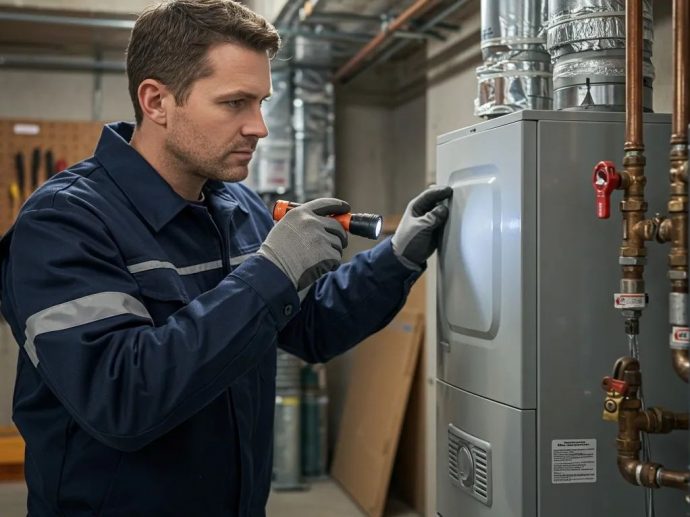
When these signs appear, it’s time to call in the professionals. Unlike quick fixes or DIY attempts, professional HVAC and plumbing services bring advanced diagnostic tools and a deep understanding of complex systems. They can perform root cause analysis, identifying the true source of a problem rather than just treating the symptoms.
For instance, a sewer camera inspection can pinpoint the exact location and nature of a main sewer line blockage, whether it’s tree roots, a collapsed pipe, or significant grease buildup. This avoids unnecessary excavation and ensures a precise repair. For stubborn clogs, hydro-jetting uses high-pressure water to thoroughly clean pipes, removing years of accumulated debris. In HVAC systems, detecting and repairing refrigerant leaks requires specialized equipment and certified technicians to ensure environmental compliance and system efficiency. For a comprehensive range of these essential home services, seeking out experienced providers who offer complete HVAC and plumbing solutions can provide peace of mind. They possess the tools and training to handle everything from intricate repairs to full system installations.
Why Licensing and NATE Certification Matter for Home Repairs
When we invite professionals into our homes to work on critical systems, we expect competence and reliability. This is where licensing and industry certifications, such as NATE certification, become paramount. A state plumbing license, for example, signifies that a plumber has met rigorous training, experience, and examination requirements set by state authorities. This ensures they are knowledgeable about local safety codes and regulations, which are crucial for safe and compliant installations and repairs.
Building permit compliance is another vital aspect. Major HVAC or plumbing work often requires permits to ensure the work meets local construction standards. Licensed professionals are familiar with these requirements and can help navigate the permitting process, preventing future legal issues or complications with home insurance. Furthermore, working with licensed technicians often comes with warranty protection and work quality guarantees. Should an issue arise after the service, we have recourse and assurance that the problem will be resolved correctly.
Risks of Unlicensed Handyman Repairs
While a handyman might offer a lower initial cost, the risks associated with unlicensed repairs often far outweigh any perceived savings. One common issue is improper component sizing or installation. An incorrectly sized HVAC unit will lead to inefficient operation, higher energy bills, and premature system failure. Similarly, improperly installed plumbing can result in leaks, water damage, or even structural issues over time.
Code violations are a significant concern. Unlicensed individuals may not be aware of or adhere to local building and safety codes. This can lead to dangerous situations, such as faulty electrical wiring in HVAC systems or improper gas line connections, posing fire or carbon monoxide risks. Such violations can also void your homeowner's insurance policy, leaving us unprotected in the event of an incident.
Manufacturer warranties are often contingent on professional installation and repair. If an unlicensed individual works on a system, the manufacturer may void the warranty, leaving us responsible for the full cost of future repairs or replacements. Recurring system failures are also common, as handymen might only address symptoms rather than the root cause, leading to repeated service calls and ongoing frustration. Most critically, gas and water line safety hazards are a severe risk. Incorrect handling of these systems can lead to leaks, explosions, or widespread water damage, endangering our families and homes. Investing in licensed and certified professionals is an investment in our home's safety and longevity.
Comprehensive Maintenance Plans and Single-Provider Benefits
Our home's HVAC and plumbing systems are complex networks that benefit immensely from regular, professional care. Just like a car needs oil changes, these systems require routine check-ups to operate efficiently and reliably. This is where comprehensive maintenance plans come into play. These plans typically include annual tune-ups and preventive care designed to catch minor issues before they escalate into major breakdowns.
One of the key advantages of enrolling in such a plan is emergency response priority. During peak seasons or unexpected outages, maintenance plan members often receive expedited service, ensuring that our comfort is restored quickly. Over the long term, these plans translate into significant cost savings. Regular maintenance extends the lifespan of our equipment, reduces the likelihood of expensive emergency repairs, and keeps systems running at optimal energy efficiency, lowering utility bills. Furthermore, having a streamlined service scheduling process means we don't have to remember when our last service was or who to call; the provider often handles reminders and makes booking easy.
What Is Included in Integrated Maintenance Packages?
Integrated maintenance packages are designed to cover the most critical components of our home's comfort systems. For air conditioning units, this often includes coil cleaning to ensure efficient heat exchange, checking refrigerant levels, and inspecting electrical connections. For furnaces, a safety inspection is paramount, checking the heat exchanger for cracks, testing ignition systems, and ensuring proper ventilation to prevent carbon monoxide leaks.
Water heaters benefit from sediment flushing, which removes mineral buildup that can reduce efficiency and shorten the unit's lifespan. Drain clearing might involve inspecting traps and accessible lines for blockages, while electrical contact testing ensures all wiring is secure and functioning correctly within the HVAC unit. Regular air filter replacement is also a standard inclusion, improving indoor air quality and system efficiency. These detailed checks ensure every part of our system is running smoothly.
Strategic Benefits of Integrated HVAC and Plumbing Services
Opting for a single provider for both HVAC and plumbing services offers several strategic advantages. Firstly, it establishes a single point of contact for all our home comfort needs. This simplifies communication, scheduling, and billing, eliminating the need to juggle multiple companies and appointments. Secondly, a single provider maintains a consolidated service history for our home. This means technicians have a complete record of all past repairs, maintenance, and installations for both systems, allowing for more informed diagnostics and recommendations.
Many providers offer bundled package discounts when we combine HVAC and plumbing maintenance or services, leading to greater savings. Perhaps most importantly, a single provider often conducts whole-home safety inspections, identifying potential cross-system issues that might be missed by separate contractors. For example, a plumbing issue affecting humidity could impact HVAC performance, and a comprehensive provider would spot this connection. When seeking truly integrated and high-quality HVAC and plumbing solutions, a provider with a holistic approach can ensure all aspects of our home's mechanical systems work in harmony, optimizing comfort and efficiency.
Repair vs. Replacement: Evaluating High-Efficiency Upgrades
One of the most common dilemmas homeowners face is deciding whether to repair an old system or replace it with a new, high-efficiency unit. This decision typically hinges on several factors, primarily the system's operational age. Most HVAC systems are designed to last 15 to 20 years, while tank water heaters typically last 10 to 12 years, and tankless units can exceed 20 years. If a system is nearing the end of its projected lifespan, frequent repairs may indicate that replacement is the more economical choice.
A useful guideline often cited is the "50 percent repair rule." If the cost of a repair is 50 percent or more of the cost of a new system, it's generally more financially prudent to replace the unit. This is especially true given the advancements in energy efficiency. Modern HVAC units boast significantly higher SEER2 (Seasonal Energy Efficiency Ratio 2) ratings for air conditioners and AFUE (Annual Fuel Utilization Efficiency) ratings for furnaces, meaning they consume less energy to provide the same level of comfort.
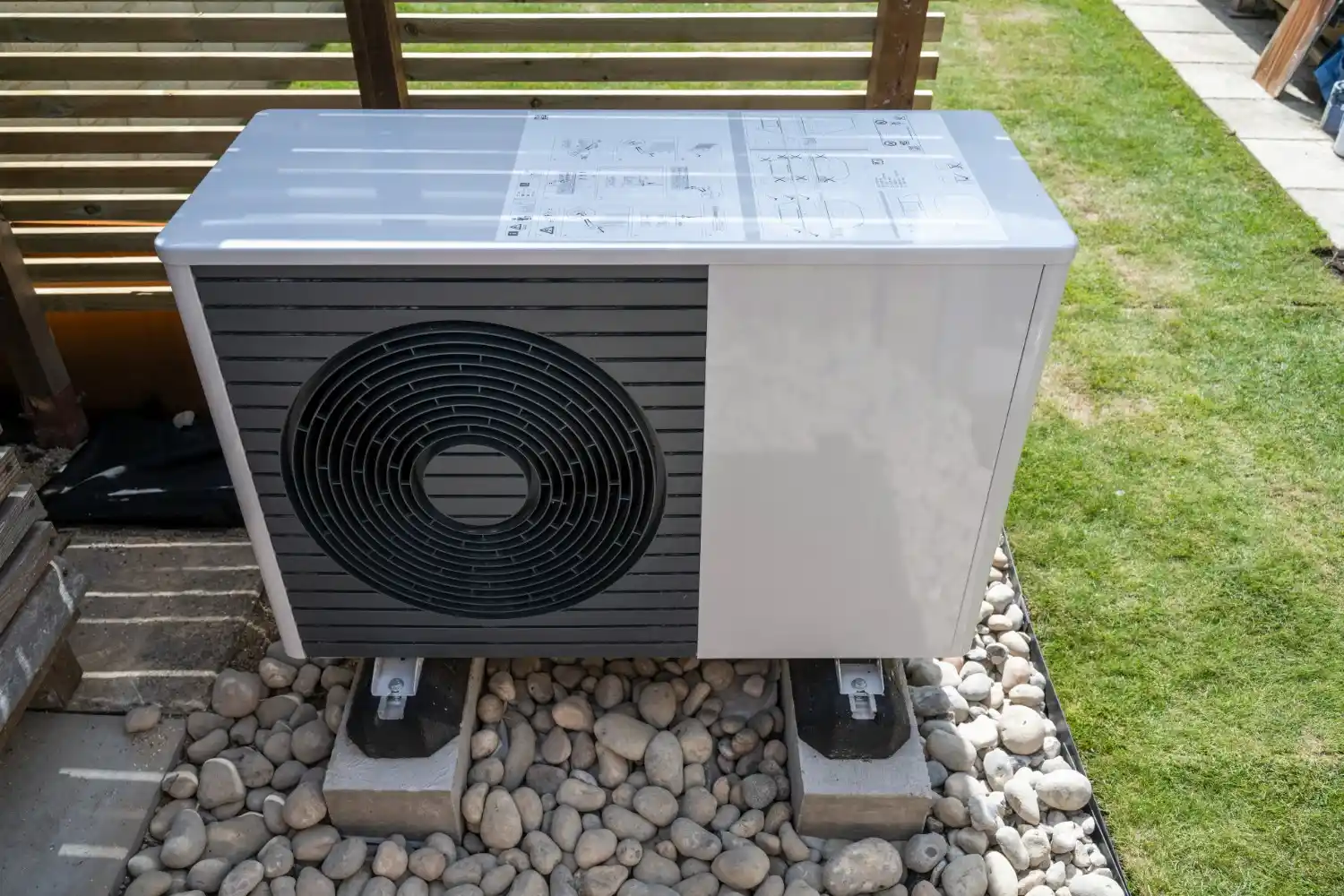
Replacing an older, less efficient system with a high-efficiency model can lead to substantial savings on monthly utility bills. Furthermore, federal tax credits and local utility rebate programs are often available for homeowners who upgrade to energy-efficient equipment, helping to offset the initial investment. Innovations like heat pump conversions, which can both heat and cool a home using electricity, and high-efficiency combi boilers, which provide both heating and hot water from a single unit, offer even greater efficiency and long-term savings.
[TABLE] comparing system repair versus total unit replacement
Financing Options for Major Home Mechanical Replacements
Major HVAC or plumbing replacements, such as a new furnace, air conditioner, or water heater, represent a significant investment for any homeowner. Fortunately, a variety of financing options are available to make these essential upgrades more accessible.
Many service providers offer flexible monthly payment plans, allowing us to spread the cost of a new system over an extended period. These plans often come with competitive interest rates and terms tailored to different budgets. Another popular option is zero-down equipment leasing, where we essentially rent the equipment for a fixed monthly fee, with maintenance and repairs often included. This can be an attractive option for those who prefer predictable monthly expenses and wish to avoid a large upfront capital outlay.
Promotional zero-interest financing is frequently available for qualifying customers, especially during specific seasons or through manufacturer incentives. These offers can provide a period of interest-free payments, allowing us to pay off the investment without incurring additional costs. Beyond provider-specific options, energy efficiency loans are offered by banks and credit unions, specifically designed for home improvements that reduce energy consumption. These loans often feature favorable terms due to their environmental benefits.
Local utility rebates also play a crucial role in making high-efficiency upgrades more affordable. Many utility companies offer rebates for installing ENERGY STAR® certified appliances, heat pumps, or smart thermostats. We should always inquire about these programs, as they can significantly reduce the net cost of a new system. Planning for these capital expenses, whether through savings or financing, ensures that we can maintain our home's comfort and efficiency without undue financial strain.
Frequently Asked Questions
Understanding the common questions homeowners have about HVAC and plumbing services can help us better prepare for maintenance and repairs.
How often should home heating, cooling, and plumbing systems be serviced?
For optimal performance and longevity, we generally recommend bi-annual HVAC tune-ups. This typically involves a spring AC preparation service to ensure the unit is ready for summer's demands and a fall heating inspection to prepare the furnace or boiler for winter. Plumbing systems, while less prone to seasonal changes, benefit from an annual plumbing safety evaluation. This check can identify potential leaks, inspect water heaters, test water pressure, and assess drain health, preventing minor issues from becoming major problems.
What is the average lifespan of an HVAC unit and water heater?
The lifespan of these systems can vary based on usage, maintenance, and quality of installation. A typical HVAC system (including both furnace and air conditioner) generally lasts between 15 to 20 years. Tank water heaters have a shorter lifespan, usually around 10 to 12 years, largely due to internal corrosion. However, tankless water heaters, with proper maintenance, can often last 20 years or more, offering a longer-term solution.
Are high-efficiency HVAC and plumbing upgrades worth the initial cost?
While high-efficiency upgrades often have a higher upfront cost, they are generally a worthwhile investment. The primary benefit comes from reduced monthly energy bills, as these units consume significantly less power to operate. Many federal tax incentives and local utility rebates are available, further offsetting the initial expense. Beyond financial savings, high-efficiency systems often have a lower environmental impact due to reduced energy consumption. Furthermore, upgrading to modern, efficient systems can enhance our home's resale value, making it more attractive to potential buyers.
Conclusion
Maintaining a comfortable and functional home requires diligent attention to our HVAC and plumbing systems. By understanding the common signs that indicate a need for professional intervention, we can act quickly to prevent minor issues from escalating. Prioritizing qualified, licensed, and certified technicians ensures that all work is performed safely, efficiently, and in compliance with industry standards.
Proactive maintenance strategies, whether through comprehensive service plans or regular individual check-ups, are key to extending the lifespan of our equipment, optimizing energy efficiency, and avoiding unexpected breakdowns. When faced with the decision to repair or replace, evaluating factors like system age, repair cost, and the potential for high-efficiency upgrades will guide us toward the most economical and sustainable choice. Selecting the right professionals for our HVAC and plumbing needs is an investment in our home's long-term system performance, comfort, and peace of mind.
Comments
