Categories more
- Adventures (62)
- Arts / Collectables (14)
- Automotive (77)
- Aviation (65)
- Bath, Body, & Health (123)
- Children (6)
- Cigars / Spirits (71)
- Cuisine (66)
- Design/Architecture (22)
- Electronics (63)
- Entertainment (36)
- Event Planning (115)
- Fashion (45)
- Finance (10)
- Gifts / Misc (6)
- Home Decor (118)
- Jewelry (41)
- Pets (3)
- Philanthropy (1)
- Real Estate (16)
- Services (44)
- Sports / Golf (14)
- Vacation / Travel (85)
- Watches / Pens (33)
- Wines / Vines (34)
- Yachting / Boating (67)



Choosing the Right Windows for a Waterfront Home

Published
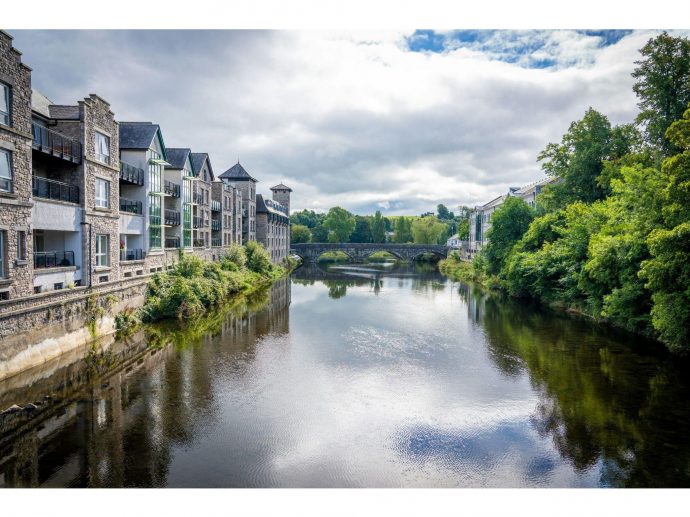
12/07/2025The homes located on water, whether on the bank of a quiet river, a smooth loch, or a lee shore, occupy a unique architectural space. Light behaves differently, moisture stays longer, and winds encounter fewer hindrances. To design for these constraints, there is no need to apply a standard solution to an extraordinary site. It demands a sensitive reaction that recognises the environment and selects windows that meet its requirements. The appropriate type of window is an invaluable collaborator in creating comfort and clarity when selected.
Understanding Waterfront Requirements
A house close to water has to struggle with high humidity year-round, and controlling condensation becomes a primary issue. The wind loads may be higher, and structural strength should be a priority. The surface is usually a source of glare from reflected sunlight, and methods are needed to reduce brightness without compromising the beauty of the scenery. Most importantly, the scenery that makes the location special is framed by windows. All decisions should be made in a balance between visual openness, environmental considerations, and the ability to withstand a more severe microclimate.
Casement: A Reliable, Weather-Ready Choice
Casement windows have earned a reputation as reliable performers. Side hinges allow them to be extended outward, and when closed, they firmly stop against a driving rain supply. When fully open, a fresh wind blows into the lake, making these windows ideal for homes where airflow is an issue. It would be essential to use moisture-resistant materials in areas prone to dampness, such as those around the River Forth. Because of this, many people choose uPVC windows in Stirling, which are a fantastic addition to casement-style windows because of their strength, ease of maintenance, and ability to withstand harsh weather.
Awning: Fresh Air Without the Downpour
Awning windows provide an ingenious solution for climates that often experience unexpected precipitation. They are hung at the top and tilt at the bottom, so they can be ventilated even when it is raining. This makes them very appropriate for kitchens and bathrooms, where humidity should be controlled at all times. Their small size and better weatherproofing would make a convenient combination for any waterside property and ensure the air stays flowing without letting the elements in.
Sliding: Maximum Views, Minimal Framing
Sliding systems are bright in locations that demand constant viewing. Massive panels glide horizontally, creating a wide expanse of glazing with minimal framing. When opened, they allow a fluid transition between the interior spaces and patios or decks. Given exposure to water-driven wind and air moisture, sliding windows in such situations should be of high-grade marine-grade quality. To ensure longevity and ease of usage, anti-corrosive hardware and heavy-duty tracks are utilised. For a homeowner who prioritises their view, sliding designs can completely transform their living area.
Tilt and Turn: Two Functions in One Frame
Tilt-and-turn windows offer a balance of versatility and control. Inward tilt at the top adds a soft breeze to the house, keeps the weather out, and keeps the house secure, which is excellent for nightly airing or when leaving the house. The next turn of the handle opens the window all the way, making it easy to clean and providing plenty of air. This flexibility is particularly applicable at higher levels, where the outside is less accessible, making tilt-and-turn designs a beautiful and convenient option in waterfront houses.
Fixed: A Window for Pure Appreciation
Fixed or picture windows have one purpose: to show the view without interruption. These closed systems are the most efficient in terms of energy consumption, as the absence of moving components reinforces the frame and airtightness. Fixed panes, when used well, create spectacular sky-and-water compositions. Combining them with smaller working windows adjacent to them gives them ventilation without interfering with the frame of an ideal landscape.
Materials Designed for Harsh Conditions
The choice of material is just as crucial as the choice of style. Frames installed in waterfront settings require resistance to long-term exposure to water and air particles. In these environments, marine-treated aluminium is very rigid and durable; uPVC, which is inherently corrosion-resistant and requires little maintenance, works well. Composite frames are made by using soft timber on the inside and a hard aluminium shell on the outside. Wood and simple metals should be avoided, as they would wear out in wet and exposed conditions.
A Partnership With the Landscape
Living near water is both a privilege and a responsibility. It requires windows that celebrate the scenery while providing robust defence against the elements. The right selection allows you to enjoy the shifting light, the movement of the water, and the serenity of the setting without sacrificing comfort. Thoughtfully chosen windows become mediators between your home and the landscape, shaping a living environment that responds intelligently to its surroundings.
Comments
