Categories more
- Adventures (62)
- Arts / Collectables (14)
- Automotive (77)
- Aviation (65)
- Bath, Body, & Health (123)
- Children (6)
- Cigars / Spirits (71)
- Cuisine (66)
- Design/Architecture (22)
- Electronics (63)
- Entertainment (36)
- Event Planning (115)
- Fashion (45)
- Finance (10)
- Gifts / Misc (6)
- Home Decor (118)
- Jewelry (41)
- Pets (3)
- Philanthropy (1)
- Real Estate (16)
- Services (44)
- Sports / Golf (14)
- Vacation / Travel (85)
- Watches / Pens (33)
- Wines / Vines (34)
- Yachting / Boating (67)


Collector’s Insight: Distinguishing Authentic Beyblades from Counterfeit Versions

Published
04/01/2026In the world of collectible toys, few items combine nostalgia, performance, and craftsmanship quite like Beyblades. What began as a competitive spinning-top game has evolved into a global hobby where authenticity matters just as much as playability. For collectors and enthusiasts alike, owning genuine pieces is not only about quality but also about preserving value and ensuring a consistent experience. As the market grows, so does the presence of imitations, making it increasingly important to understand how to differentiate between real and counterfeit products without relying on guesswork or assumption.
The Rise of Beyblade as a Collectible Category
Beyblades have transitioned from simple toys into collectible items that attract both casual players and serious enthusiasts. Limited editions, special releases, and collaborations have elevated their status, turning certain models into sought-after pieces within collector circles. This shift has introduced a new level of scrutiny when evaluating authenticity, as buyers are no longer focused solely on performance but also on originality and long-term value.
With this rise in demand, counterfeit versions have become more prevalent, often mimicking the appearance of authentic products while lacking the underlying quality. These replicas may look convincing at first glance, but they typically fall short in durability and precision. For collectors who value both form and function, understanding these differences becomes essential before making any purchase.
Material Quality and Build Precision
One of the most immediate indicators of authenticity lies in the materials used. Genuine Beyblades are manufactured with high-quality plastics and metals that provide both durability and balanced weight distribution. The finish is smooth, consistent, and free of rough edges, reflecting strict quality control standards during production.
Counterfeit versions, on the other hand, often use cheaper materials that feel lighter or uneven. The plastic may appear dull or overly glossy, and metal components can show signs of poor casting. These subtle differences not only affect how the Beyblade performs in battle but also signal a lack of manufacturing precision that experienced collectors quickly recognize.
Packaging Details and Branding Accuracy
Authentic Beyblades are packaged with careful attention to detail, including clear branding, accurate logos, and properly aligned text. The packaging design is consistent with official releases, often including manufacturer information, safety labels, and serial codes that match the product inside.
Fake versions frequently overlook these finer points. Misaligned logos, spelling errors, or faded printing can all indicate a counterfeit product. Even when the packaging appears visually similar, inconsistencies in font, color tone, or layout can reveal that the item is not genuine. For collectors, examining packaging is often the first step in identifying authenticity before even opening the product.
Performance Consistency in Real Use
Beyond appearance, performance is where the difference becomes most noticeable. Authentic Beyblades are engineered for balance, speed, and controlled movement, allowing them to behave predictably during battles. Each component is designed to work seamlessly with others, resulting in a smooth and consistent spinning experience.
Counterfeit versions often lack this level of engineering. They may wobble, lose balance quickly, or fail to maintain spin for extended periods. These inconsistencies not only affect gameplay but also diminish the overall experience. For those familiar with how genuine Beyblades perform, these differences become immediately apparent during use.
Subtle Design Details That Reveal Authenticity
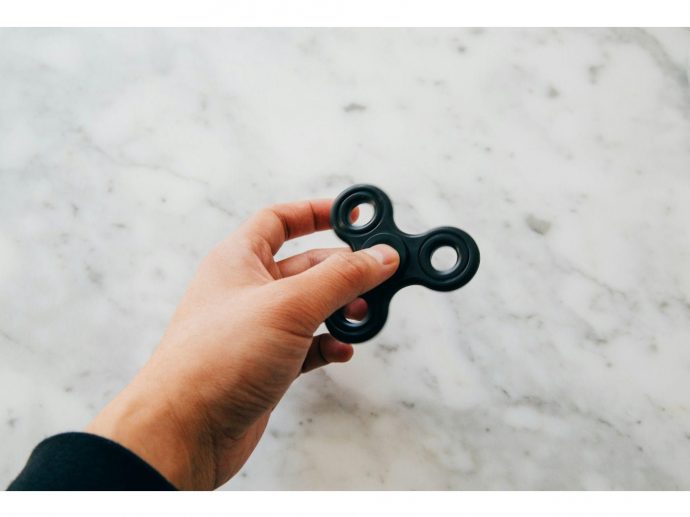
Photo by charlesdeluvio on Unsplash
Closer inspection often reveals small but important design elements that distinguish real products from imitations. Authentic Beyblades feature precise engravings, clean edges, and well-defined components that fit together perfectly. The detailing is sharp and intentional, reflecting the design standards of the original manufacturer.
When evaluating authenticity, many collectors rely on guides such as how to tell a beyblade is fake vs real, which highlight these subtle differences in real-world examples. These insights help buyers recognize inconsistencies that might otherwise go unnoticed, especially when comparing similar-looking models side by side.
Price as an Indicator of Authenticity
While price alone should never be the sole factor, it can provide useful context when evaluating a product. Authentic Beyblades are priced according to their quality, branding, and distribution, meaning that extremely low prices can often signal a counterfeit item. Deals that seem too good to be true usually warrant closer inspection.
That said, not all higher-priced items are automatically genuine. Some counterfeit sellers attempt to mimic market pricing to appear legitimate. This is why price should always be considered alongside other factors such as packaging, materials, and seller credibility rather than being used in isolation.
Seller Reputation and Purchase Channels
Where a Beyblade is purchased plays a significant role in determining its authenticity. Established retailers and reputable online stores are more likely to carry genuine products, as they source directly from authorized distributors. These sellers typically provide accurate product descriptions and maintain consistent quality standards.
In contrast, unknown or unverified sellers may offer counterfeit versions without clear disclosure. Limited product information, lack of reviews, or inconsistent listings can all indicate potential risk. For collectors, choosing reliable purchase channels is one of the most effective ways to avoid counterfeit items altogether.
Long-Term Value of Authentic Pieces
Authentic Beyblades tend to retain their value over time, especially if they are part of limited releases or well-maintained collections. Their durability ensures that they remain functional, while their originality makes them desirable among collectors. This combination of performance and authenticity contributes to their long-term appeal.
Counterfeit versions, however, rarely hold any collectible value. Their lower quality and lack of official recognition mean they are often discarded rather than preserved. For those building a collection, investing in genuine pieces ensures both enjoyment and potential value retention in the future.
Industry Standards and Consumer Awareness
As the market for collectible toys continues to expand, consumer awareness has become increasingly important. Organizations and industry experts emphasize the importance of verifying authenticity, particularly in categories where counterfeits are common. Understanding manufacturing standards and product details empowers buyers to make informed decisions.
According to insights published by Forbes, the global counterfeit goods market continues to grow, affecting industries ranging from fashion to collectibles. This highlights the need for vigilance when purchasing items that carry both monetary and sentimental value, reinforcing the importance of recognizing authentic products in a crowded marketplace.
Comments
