Categories more
- Adventures (62)
- Arts / Collectables (14)
- Automotive (77)
- Aviation (65)
- Bath, Body, & Health (123)
- Children (6)
- Cigars / Spirits (71)
- Cuisine (66)
- Design/Architecture (22)
- Electronics (63)
- Entertainment (36)
- Event Planning (115)
- Fashion (45)
- Finance (10)
- Gifts / Misc (6)
- Home Decor (118)
- Jewelry (41)
- Pets (3)
- Philanthropy (1)
- Real Estate (16)
- Services (44)
- Sports / Golf (14)
- Vacation / Travel (85)
- Watches / Pens (42)
- Wines / Vines (34)
- Yachting / Boating (67)


Comfort and Efficiency: The New Markers of a Well-Lived Life

Published
01/29/2026When did a quiet house with good lighting become the ultimate luxury?
There was a time when status was about square footage and marble countertops. Now, more homeowners care about how their space feels rather than how it photographs. The shift is subtle but powerful. In today’s world of rising energy bills, endless screen time, and the constant pressure to multitask, comfort and efficiency have emerged as the new gold standards for a well-lived life. People want homes that support them, not stress them. Spaces that are warm when needed, cool when necessary, and peaceful all the time. In this blog, we will share how comfort and efficiency are reshaping modern lifestyles—and why the smartest upgrades start behind the scenes.
The Practical Side of Feeling Good at Home
The idea of comfort has changed. It’s no longer just about cozy throws or a beautiful chair. It’s about consistent temperatures, natural light, good airflow, and insulation that does what it’s supposed to. People want homes that respond to their rhythms and reduce background stress. And they’re willing to invest in the systems that make it possible.
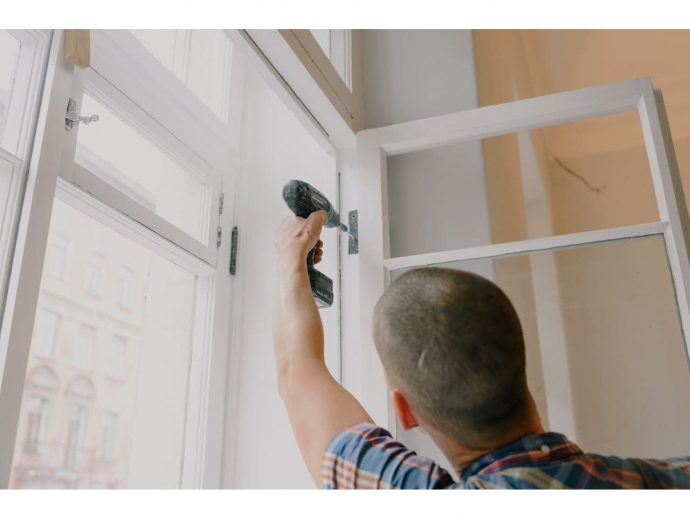
That’s where window replacement plays a much bigger role than most homeowners expect. A well-insulated window does more than save energy. It cuts down on outside noise, reduces indoor drafts, and helps keep the environment consistent from morning to night. For those working from home or raising families, that stability means better focus, fewer distractions, and even improved sleep.
In older homes, windows are often the weak link. Single-pane glass or worn-out seals can force heating and cooling systems to overcompensate. That not only costs more but makes the whole house feel less steady. Replacing windows with modern, double- or triple-pane options adds an immediate upgrade to both comfort and efficiency.
The Efficiency Factor Is No Longer Optional
Let’s talk about energy. It used to be a topic only for eco-conscious homeowners or people managing tight budgets. Not anymore. Now, it's top of mind for everyone. Utility costs are rising. Climate conditions are unpredictable. And the average household is juggling more devices, appliances, and systems than ever before.
Efficiency is the way forward. Homes that manage heat, cooling, and light well don’t just feel better. They function better. Smart thermostats and LED lighting are part of that, but they work best when paired with structural efficiency, like good insulation and energy-efficient windows.
This isn’t just about saving money, although that matters too. It’s about reducing the day-to-day friction that happens when a home doesn’t cooperate. Cold corners, stuffy rooms, and appliances running overtime create stress. Efficient systems reduce that friction and help people focus on what matters.
Comfort Tied to Lifestyle, Not Just Aesthetics
Think about your daily routine. How often is it shaped by how your home feels? A kitchen that overheats can push you to avoid cooking. A drafty bedroom might cut into your sleep. These small discomforts change how you use your space, even if you don’t realize it right away. Over time, they shape your habits, routines, and even how you connect with others in the home.
That’s why more homeowners are investing in upgrades that improve how their space functions—not just how it looks. From better insulation to improved lighting and airflow, comfort now means alignment. It’s about creating a space that supports your lifestyle, not just your style. Function-first choices like smart heating, noise reduction, and energy-efficient materials are becoming more common for good reason.
True comfort doesn’t require perfection. It means having a home that works with your needs and routines, not against them. When your space feels better, everything you do in it feels easier.
Designing for Stillness in a Loud World
Modern life is loud. Notifications, traffic, nonstop media. People are looking for spaces that offer a little relief. Homes that buffer sound, regulate temperature, and bring in natural light are more than just nice to have. They’re necessary.
That’s why more renovations now include sound-dampening insulation, multi-pane windows, and climate zoning systems. These details don’t go viral on Instagram, but they make a real difference in how people feel every day.
Stillness is not something you buy. It’s something you build, layer by layer. And it starts with decisions that aren't always visible, but always noticeable—like whether the windows leak noise, or the HVAC hums constantly because the house isn’t sealed well.
The Long-Term Impact of Smart Comfort
Comfort and efficiency aren’t short-term wins. They pay off over time. Homes that stay warmer in winter and cooler in summer require fewer adjustments, fewer repairs, and far less energy. That translates to lower bills and higher resale value.
But the real return is lifestyle. Families spend more time in shared spaces. People sleep better. Remote workers feel more focused. Everything in the home flows more easily when it’s not battling poor design or neglected systems.
This also reflects a larger trend: people want homes that grow with them. That respond to change. Whether that’s adding solar power, adjusting to hybrid work life, or simply reducing noise from a busier neighborhood, comfort and efficiency give homeowners options.
Why Every Detail Matters
A well-lived life is not about the most expensive materials or the latest design trend. It’s about the details that make daily life smoother. That might be a quiet, sealed window that lets in light but not traffic. It might be insulation that keeps your kid’s room at the right temp without touching the thermostat every hour.
Comfort is no longer a luxury. It’s the foundation. And efficiency isn’t a feature; it’s a filter through which smart homeowners are making every decision.
Before the next remodel or redesign, ask what’s working in your home—and what isn’t. The answers may have more to do with airflow and insulation than colors and counters. But that’s exactly where the modern version of a well-lived life begins.
Comments
