Categories more
- Adventures (62)
- Arts / Collectables (14)
- Automotive (77)
- Aviation (65)
- Bath, Body, & Health (123)
- Children (6)
- Cigars / Spirits (71)
- Cuisine (66)
- Design/Architecture (22)
- Electronics (63)
- Entertainment (36)
- Event Planning (115)
- Fashion (45)
- Finance (10)
- Gifts / Misc (6)
- Home Decor (118)
- Jewelry (41)
- Pets (3)
- Philanthropy (1)
- Real Estate (16)
- Services (44)
- Sports / Golf (14)
- Vacation / Travel (85)
- Watches / Pens (33)
- Wines / Vines (34)
- Yachting / Boating (67)



Cool, Comfortable Patios: Hardscape Choices That Keep Luxury Outdoor Spaces Usable in Summer

Published
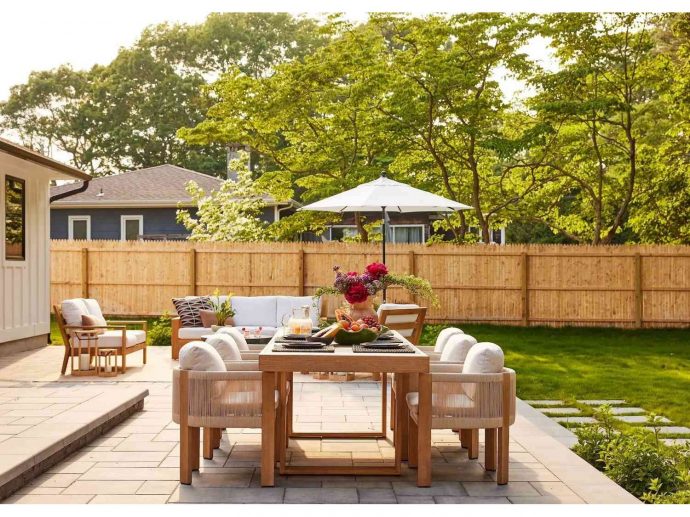
06/29/2026A patio is considered an oasis of tranquility and comfort. It is an extension of your home, where one can unwind, relax, entertain, and connect with nature. To make the most of this outdoor space, it's important to have a well-designed and carefully created area that not only reflects your style but also complements the natural beauty of the whole surroundings.
One can face a huge disappointment with their patio, especially if it looks extraordinary but is impossible to use. You've invested in the furniture, the lighting, the landscaping, maybe a built-in kitchen or a fire feature, and by early afternoon on a summer day, the whole space becomes empty. Not because it wasn't designed well, but the surface underneath is radiating heat like a cast-iron pan. If excessive heat, fading, or surface wear are affecting your outdoor living area, professional deck resurfacing can restore both its appearance and performance without the cost of a full replacement. Modern resurfacing solutions also make it easier to incorporate materials that stay cooler underfoot and stand up to Colorado's demanding climate.
This is very common along Colorado's Front Range. Several contractors and designers are finding solutions to tackle this issue. However, fixing this requires making various choices without compromising the design and comfort of the patio. In this blog, let's dive into and understand the expert suggestions that will transform your patios and make them a soothing place even on a hot summer afternoon.
Why Does the Surface Matters More Than Most People Realize?
The difference between a patio that stays comfortable through a summer afternoon and one that clears out by noon usually comes down to a single overlooked factor, i.e., how much heat the surface itself stores and radiates back?
Each surface material responds to sunlight differently. Light-colored travertine or pale concrete reflects a significant portion of the sun's energy rather than absorbing it. Dark slate, charcoal pavers, and deep-toned granite hold onto that energy, and on a Colorado afternoon, they can reach surface temperatures of 140 to 160 degrees Fahrenheit. Human skin starts to burn around 118 degrees. This is not just about comfort but also a major safety concern, especially for children and pets.
The gap between a perfectly chosen surface and a poor one can make a huge difference on a summer afternoon. A person can experience a 40 to 50 degree variation based on the surface material they choose for their patio. This gap is what separates the outdoor spaces. It also changes the experience people get.
“A dark slate terrace at 140 degrees is the same investment, the same square footage, the same furniture, and it's completely unusable," says Marcus Hale, a landscape architect who has designed outdoor living spaces across El Paso County for over fifteen years. "The surface choice gets made early in a project, and it sets the ceiling on everything that follows."
The Colorado Difference
Most material guides are written for climates that bear little resemblance to the Front Range. Colorado Springs sits above 6,000 feet, and at that altitude, UV intensity runs roughly 25 to 30 percent stronger than at sea level. Faster surfaces heat, and colors fade, and a dark patio that might be merely uncomfortable in coastal California becomes severe by mid-morning.
The same altitude that makes summer afternoons luminous also drives an aggressive freeze-thaw cycle throughout the winter. The outdoor surface that handles Colorado well has to manage both extremes, including intense heat absorption during hot summer afternoons and moisture penetration during the peak winter season. These are some of the main needs, and the surface and decor materials that meet these have a much shorter list than most showrooms suggest.
What Surfaces are Worth Considering?
Patios that are exposed to full sun can become uncomfortable without the right surface materials. Hardscape choices are not just about replacing the stone and concrete. It requires a thoughtful process to choose the surface materials that are driven by quality, functionality, and affordability. Some of the most popular materials worth considering are:
- Light Natural Stone Travertine
In areas that are exposed to a lot of direct sunlight, travertine is the best surface material for opulent outdoor spaces. This surface material consists of an inherent nature that permits air to easily pass through instead of getting warmed up underfoot. Its surface remains vastly cooler. It is considered the perfect go-to option even when the floor is wet, which is the reason it's been highly placed around pools for the last few decades.
Softer travertine in Colorado won't withstand a Front Range winter. The majority of other options will not endure as long as a dense, frost-resistant grade that is well-sealed and maintained yearly, and its character will only get better with time.
- Porcelain Pavers
Porcelain pavers are the practical choice for homeowners who look for consistency in performance with less upkeep. The best products for Colorado are virtually impervious to freeze-thaw damage and hold their color through many years of intense, high-altitude conditions far better than natural stone. In lighter tones with a textured matte finish, porcelain stays reasonably cool and provides a sure footing around water. It runs slightly warmer than travertine in afternoon sun, but the maintenance trade-off is real and worth considering on a large-scale terrace.
- Concrete
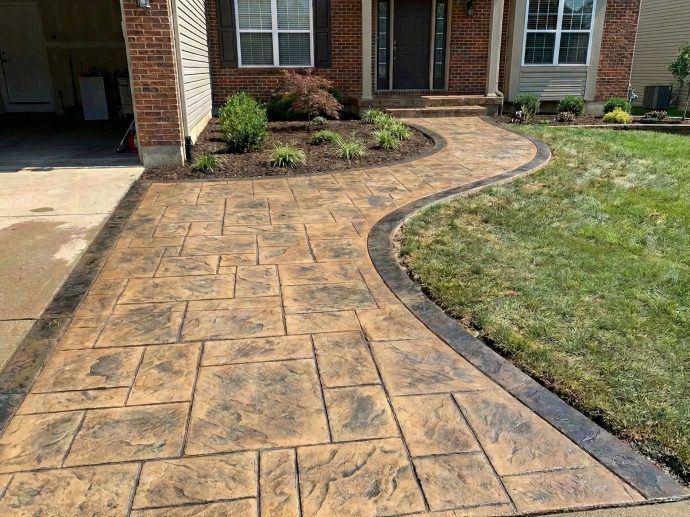
Concrete is the most underrated surface in the luxury outdoor spaces. A stamped and colored concrete patio in a warm latte or sandstone tone can be visually indistinguishable from natural stone, and in a properly air-entrained mix designed for Colorado's temperature swings. It is the best choice because of its affordability, whereas other surface materials are highly expensive. Around the pool, a cool-deck finish reduces the whole surface temperature. It has been considered a standard choice on many high-end properties in Broadmoor and Flying Horse for years.
Surfaces to Avoid
Avoid dark slate, charcoal pavers, black granite, and deep-toned porcelain in any area that gets full afternoon sun and bare feet. Although these materials photograph beautifully but perform badly. Photographers almost certainly shot the elegant images you see in overcast light in a northern European climate, but definitely not on a south-facing terrace in Colorado during the month of July.
Colour Is the Easiest Decision You're Not Making Consciously
Within any material family, tone does more work than most homeowners realize. The same paver line in graphite charcoal versus warm buff is not an aesthetic preference. It's a 30 to 40 degree difference in surface temperature on a sunny afternoon. That choice costs nothing extra. It simply doesn't get made deliberately often enough.
For any terrace that will get full summer sun heat, the starting point should always be: as light as the design can carry. Not washed-out or clinical, but warm, neutral, and considered. The material can be refined and sophisticated and still reflect heat rather than store it.
The Space Around the Surface Matters Too
A well-chosen surface on a poorly oriented, unshaded terrace will struggle through peak afternoon hours. Designing the outdoor space with proper surface material is important, but the space around the surface is equally crucial. Many people don’t understand it before planning. Some of the essential elements to consider are:
- Shade is the single biggest variable
A louvered pergola, a generous sail shade, or mature trees along the western boundary can drop the temperature of an outdoor space drastically. This makes a huge difference between a terrace that's usable until 6 p.m. and one that clears out at noon. Shade structures that are designed into a project from the beginning look and function better than those added afterwards. This also protects the surface investment as much as they protect the people using the space.
- Misting systems and water features
Misting systems and water features lower the ambient air temperature in the immediate area perceptibly, particularly in Colorado's dry summer air. Here, evaporative cooling works efficiently. These aren't luxuries at this level of investment; they're what separates a beautiful outdoor space from an outdoor room that people actually want to be in.
- Not just aesthetics, finishing, and texture also matter
Polished surfaces create glare and become treacherous when wet. Matte and textured finishes perform better on both counts and hold their appearance longer, even when exposed to intense UV. Any surface near water should be specified with slip resistance.
What Sets the Best Outdoor Spaces Apart?
The patios on high-end Front Range properties that stay genuinely usable through a Colorado summer share the following consistent traits:
- Light-toned surface materials chosen for the climate rather than the catalogue
- Shade was already present in the architecture from the start
- Matte finishes that perform as well as they look
- Surface, shade, orientation, and water work together rather than each element being chosen independently
Getting all these choices right from the outset is exactly the kind of expertise a Creststone Concrete contractor in Colorado Springs brings to an outdoor space. They are experts in understanding how these surfaces perform through Front Range summers and winters, and can spec accordingly even before the first pour.
The luxury outdoor spaces that earn their investment aren't always the ones with the rarest stone or the highest price per square foot. They're the ones where every decision was made with the climate in mind and where the result is a terrace that's as comfortable to live in as it is considered to look at.
Build Usable Your Luxury Outdoor Space
Don't let heat make your luxury patio into just a showpiece to display that nobody touches. Work with a team that understands Colorado's weather well and chooses surface materials that keep your space cooler, safer, and welcome you and your guests to enjoy the outside space for a longer time.
Contact Creststone Concrete today to design a patio that is as livable as it looks. Your perfect outdoor summer evening starts with the right surface underfoot.
Comments
