Categories more
- Adventures (62)
- Arts / Collectables (14)
- Automotive (77)
- Aviation (68)
- Bath, Body, & Health (127)
- Children (49)
- Cigars / Spirits (72)
- Cuisine (68)
- Design/Architecture (22)
- Electronics (66)
- Entertainment (40)
- Event Planning (116)
- Fashion (47)
- Finance (10)
- Gifts / Misc (7)
- Home Decor (118)
- Jewelry (41)
- Pets (3)
- Philanthropy (1)
- Real Estate (19)
- Services (60)
- Sports / Golf (38)
- Vacation / Travel (101)
- Watches / Pens (72)
- Wines / Vines (34)
- Yachting / Boating (76)



Creating a Home Office That Balances Productivity With Timeless Style

Published
07/13/2026The home office has evolved from an occasional workspace into an essential part of many households. Whether used for full-time remote work, running a business, studying, or managing personal finances, a thoughtfully designed office can have a significant impact on both productivity and overall well-being. A room that feels comfortable and organized encourages focus, while one that is cluttered or poorly planned can make even simple tasks feel more demanding.
Designing a home office isn't simply about fitting a desk into an unused corner. The most effective workspaces combine functionality with an environment that people genuinely enjoy spending time in. By choosing timeless design elements instead of short-lived trends, homeowners can create offices that remain practical and visually appealing for years without requiring constant updates.
Build the Room Around Focus Rather Than Decoration
Every successful home office begins with understanding how the space will actually be used. Someone who spends hours attending virtual meetings may prioritize lighting and acoustics, while a designer or architect may need larger work surfaces and additional storage for creative materials. Starting with function ensures that decorative decisions support productivity instead of competing with it.
The walls also play a surprisingly important role in shaping the atmosphere of a workspace. Installing home office wallpaper can introduce subtle texture, calming patterns, or sophisticated color palettes that help define the room without becoming distracting. A thoughtfully selected wall covering creates visual interest while establishing a professional environment that feels separate from the rest of the home, making it easier to mentally transition into work each day.
Invest in Comfort That Supports Long Working Hours
Many people focus on technology when designing a home office, but comfort often has a greater influence on daily productivity. A supportive chair, properly positioned desk, and monitor placed at an appropriate height reduce physical strain while making it easier to maintain concentration throughout the day.
Lighting deserves equal attention. Whenever possible, positioning a desk near natural light helps reduce eye fatigue while creating a more pleasant working environment. During darker hours, combining overhead lighting with an adjustable desk lamp provides flexibility for different tasks. The goal is to eliminate harsh shadows and glare while ensuring documents, keyboards, and screens remain comfortably visible without unnecessary strain.
Comfort extends beyond furniture as well. Maintaining a comfortable room temperature, improving ventilation, and reducing unnecessary noise all contribute to a workspace where longer periods of focused work feel more sustainable.
Keep Organization Simple and Accessible
An organized office isn't necessarily one with the fewest belongings. Instead, it's a space where frequently used items are easy to find and unnecessary clutter doesn't interrupt concentration. The most practical storage solutions are often the simplest, encouraging consistent organization rather than requiring constant maintenance.
Open shelving can display reference books, awards, or decorative objects that add personality, while filing cabinets, storage boxes, and drawer organizers keep paperwork and office supplies neatly contained. Cable management systems also help maintain a cleaner appearance by preventing cords from becoming tangled across desks and floors.
Creating designated places for everyday essentials saves time throughout the workday. When notebooks, chargers, stationery, and important documents are always within reach, small interruptions become less frequent, allowing attention to remain focused on more meaningful tasks.
Add Personal Details Without Sacrificing Professionalism
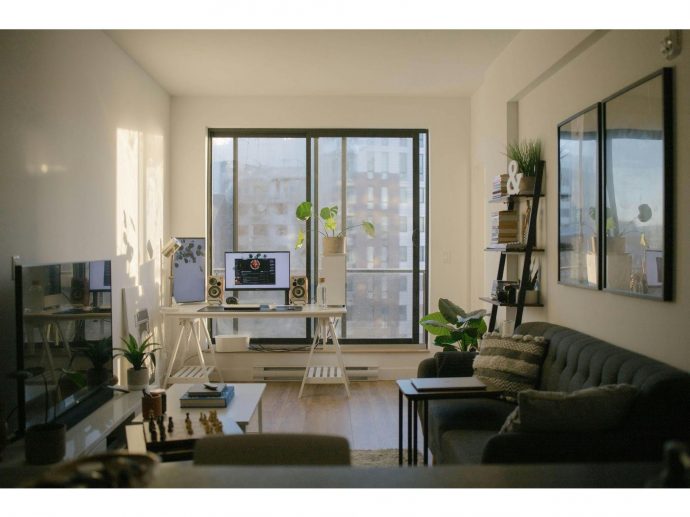
Photo by Carl Heyerdahl on Unsplash
A productive office should feel inviting rather than sterile. Personal touches help create an environment that encourages creativity and long-term motivation without making the space feel cluttered or overly casual.
Artwork, framed photographs, indoor plants, or carefully selected decorative accessories can introduce warmth while reflecting personal interests. Choosing a consistent color palette helps these elements work together, creating visual balance instead of distraction. Even a few meaningful objects can make the room feel more enjoyable during long work sessions.
Natural materials such as wood, linen, ceramic, and woven textures also soften office environments that might otherwise feel dominated by screens and technology. These subtle design choices create a space that remains comfortable for both focused work and virtual meetings.
Create Flexible Areas for Different Types of Work
Not every task requires the same environment. Reading reports, participating in video calls, brainstorming ideas, and handling administrative work all place different demands on a workspace. When space allows, creating separate zones within the office improves both efficiency and comfort.
A primary desk can remain dedicated to computer work, while a comfortable chair in another corner provides a quieter place for reading or planning. Even a small side table can become useful for reviewing documents or stepping away from the main workstation without leaving the room entirely.
This flexibility also helps break up long periods of sitting at the same desk. Simply moving to another area for a different task introduces subtle variety into the workday while maintaining focus within the same productive environment.
Design With Longevity in Mind
Home offices often evolve alongside careers, making timeless design a worthwhile investment. Neutral furniture, durable materials, and adaptable layouts provide a foundation that accommodates changing technology and shifting work requirements without requiring complete redesigns every few years.
Rather than filling the room with trend-driven décor, prioritizing quality over quantity creates a more enduring workspace. Well-built furniture, versatile storage solutions, and classic finishes continue to perform regardless of changing design fashions. Decorative accents can always be updated later, but a thoughtfully planned layout remains valuable throughout the life of the room.
A successful home office ultimately supports more than productivity alone. It creates a place where work feels organized, comfortable, and sustainable, allowing people to remain focused during demanding days while enjoying a timeless environment that continues to serve their needs well into the future.
Comments
