Categories more
- Adventures (62)
- Arts / Collectables (14)
- Automotive (77)
- Aviation (59)
- Bath, Body, & Health (123)
- Children (6)
- Cigars / Spirits (71)
- Cuisine (65)
- Design/Architecture (22)
- Electronics (63)
- Entertainment (23)
- Event Planning (78)
- Fashion (45)
- Finance (10)
- Gifts / Misc (6)
- Home Decor (45)
- Jewelry (41)
- Pets (3)
- Philanthropy (1)
- Real Estate (16)
- Services (23)
- Sports / Golf (14)
- Vacation / Travel (69)
- Watches / Pens (14)
- Wines / Vines (34)
- Yachting / Boating (67)



Designing a Luxury Lifestyle Around Flexibility, Mobility, and Experience


Published
05/10/2026Luxury has evolved far beyond square footage, designer labels, or exclusive addresses. Increasingly, modern affluent living is defined by something less tangible but far more valuable: freedom. The ability to move easily between cities, adapt to changing schedules, access premium experiences effortlessly, and design a lifestyle around convenience rather than obligation is becoming the new benchmark of luxury.
Across Texas, this shift is particularly visible. Cities like Dallas, Austin, and Houston continue attracting entrepreneurs, remote executives, creatives, and high-earning professionals who prioritize flexibility and experience over traditional long-term routines. Instead of building lifestyles around permanence, many are choosing adaptable living arrangements, curated social experiences, and services that simplify everyday logistics.
The result is a new version of luxury living, one built around mobility, personalization, and efficiency.
The Shift From Ownership to Lifestyle Flexibility
For years, luxury was closely associated with ownership. Large homes, multiple vehicles, and long-term commitments were considered indicators of success. Today, however, many affluent individuals are reevaluating that model.
Modern professionals often divide their time between multiple cities, travel frequently for work, or operate businesses remotely. Flexibility has become more valuable than permanence. As a result, demand is rising for upscale rental communities that offer convenience, amenities, and access without the long-term limitations traditionally associated with property ownership.
In Texas, this trend has accelerated alongside rapid economic growth and migration into major metropolitan areas. High-end residential developments now focus heavily on lifestyle integration, offering wellness spaces, private lounges, concierge services, coworking environments, and entertainment-focused amenities designed to support dynamic routines.
For many people navigating these fast-moving housing markets, working with an apartment locator in Texas has become one of the more efficient ways to compare communities that align with both professional demands and personal lifestyle preferences. Rather than spending weeks researching neighborhoods independently, renters increasingly seek streamlined solutions that help them evaluate factors such as commute flexibility, entertainment access, walkability, and building amenities in a more strategic way.
This approach reflects a broader shift in how luxury itself is perceived. Convenience is no longer viewed as secondary to prestige. In many cases, it has become the defining feature.
Why Mobility Has Become a Modern Luxury
Mobility has also taken on a new role within upscale living. In the past, transportation was often viewed purely as a functional necessity. Today, it has become part of the overall experience.
Luxury consumers increasingly value smooth, coordinated movement between events, destinations, and social activities. Whether attending sporting events, corporate retreats, concerts, weddings, or private gatherings, convenience and comfort during travel now play a major role in shaping the quality of the experience itself.
This is particularly noticeable in large metropolitan regions like Dallas, where entertainment districts, nightlife venues, business centers, and suburban communities are spread across significant distances. Managing transportation for groups can quickly become complicated, especially when timing, parking, and coordination are involved.
As a result, professionally organized transportation services are becoming more integrated into luxury lifestyle planning. For private events, executive outings, and curated social experiences, companies such as Skyway Charter Buses Dallas TX represent the growing preference for stress-free group mobility that prioritizes comfort, efficiency, and organization.
In many ways, this reflects a broader evolution in luxury culture. People are placing greater value on experiences that feel seamless from beginning to end rather than simply impressive on the surface.
Experience Is Becoming the Center of Lifestyle Design
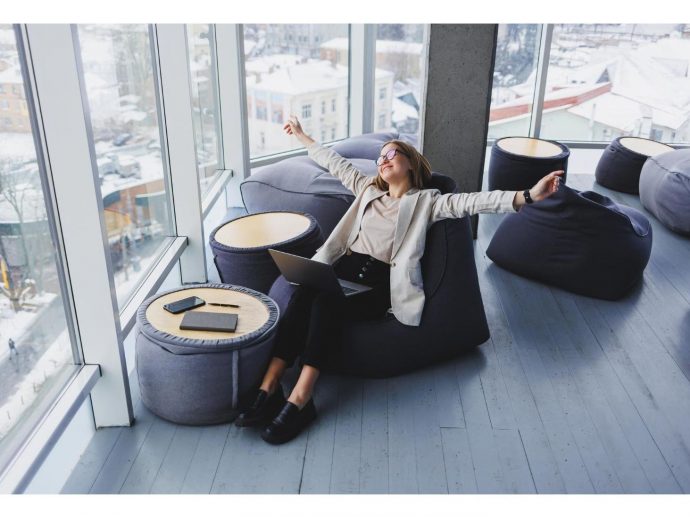
Image by dmitrytph on Magnific
One of the biggest cultural shifts influencing luxury markets today is the prioritization of experiences over possessions.
Consumers are increasingly directing their spending toward travel, dining, wellness, entertainment, and personalized activities that create memorable moments rather than simply accumulating material goods. This trend has influenced everything from residential development to hospitality, transportation, and urban planning.
Luxury apartment communities now frequently integrate social programming, rooftop events, wellness partnerships, and shared entertainment spaces directly into their offerings. Restaurants and hospitality venues are investing more heavily in atmosphere and curated experiences rather than traditional exclusivity alone.
The same mindset appears in how people organize their schedules and social lives. Convenience-driven services are not viewed as indulgences anymore; they are seen as tools that help maximize time and reduce unnecessary friction.
According to the World Economic Forum, shifting consumer priorities increasingly favor access, flexibility, and experience-focused spending patterns across global urban markets. These changes are influencing how cities develop infrastructure, housing, transportation systems, and hospitality offerings to accommodate more mobile and experience-oriented lifestyles.
Texas cities are particularly well positioned within this transition because they combine economic opportunity with relatively flexible urban expansion. New mixed-use developments continue emerging around entertainment districts, business corridors, and lifestyle hubs designed to support integrated living.
Convenience Has Become a Status Symbol
In previous decades, luxury often emphasized exclusivity through scarcity. Today, many affluent consumers associate luxury with simplicity.
The ability to avoid delays, reduce stress, outsource logistics, and move efficiently through daily life has become increasingly valuable. Services that save time or eliminate complexity are no longer viewed as purely practical; they are viewed as lifestyle enhancements.
This explains the growing demand for concierge-style residential services, premium transportation coordination, flexible leasing options, and digitally integrated living environments.
Even architecture and interior design trends reflect this mindset. Modern luxury spaces frequently prioritize clean functionality, adaptable layouts, and seamless transitions between work, leisure, and social interaction. Homes are increasingly designed to support fluid lifestyles rather than rigid routines.
Technology also plays a major role in this transformation. Smart-home systems, app-based building management, remote access services, and digital scheduling tools have allowed luxury living to become more responsive and personalized.
In this environment, flexibility itself becomes aspirational. People are no longer simply purchasing products or spaces. They are investing in lifestyles that provide greater freedom over how they spend their time.
The Future of Luxury Living in Texas
As Texas continues growing as a business and cultural destination, the definition of luxury will likely continue evolving alongside it.
The next generation of upscale living is expected to place even greater emphasis on adaptability, mobility, wellness, and experience integration. Residential communities may increasingly function as lifestyle ecosystems rather than simply places to live. Transportation services may continue evolving into curated hospitality experiences. Urban planning may place greater focus on mixed-use environments that reduce friction between work, entertainment, and personal life.
What remains consistent throughout these changes is the growing importance of intentional living. Modern luxury consumers are becoming more selective about how they use their time, where they choose to live, and which experiences genuinely add value to their lives.
In many ways, the future of luxury is becoming less about displaying status and more about creating freedom. The ability to move easily, adapt quickly, and enjoy meaningful experiences without unnecessary complications is increasingly what defines sophisticated living today.
And in rapidly evolving cities across Texas, that future is already beginning to take shape.
Comments
