Categories more
- Adventures (62)
- Arts / Collectables (14)
- Automotive (77)
- Aviation (65)
- Bath, Body, & Health (123)
- Children (6)
- Cigars / Spirits (71)
- Cuisine (66)
- Design/Architecture (22)
- Electronics (63)
- Entertainment (36)
- Event Planning (115)
- Fashion (45)
- Finance (10)
- Gifts / Misc (6)
- Home Decor (118)
- Jewelry (41)
- Pets (3)
- Philanthropy (1)
- Real Estate (16)
- Services (44)
- Sports / Golf (14)
- Vacation / Travel (85)
- Watches / Pens (36)
- Wines / Vines (34)
- Yachting / Boating (67)


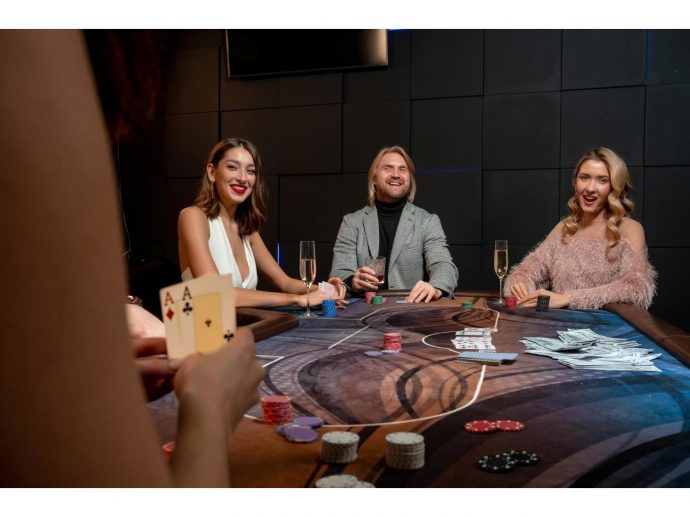
Elevated Evenings: How Game Nights Are Becoming a Staple of Luxury Entertaining

Published
03/25/2026Luxury has long been associated with exclusivity, refinement, and access to the exceptional. Yet in recent years, the definition of luxury has subtly shifted. Instead of grand displays, the focus has moved toward curated, meaningful experiences, moments that feel personal, intentional, and deeply engaging.
Among these evolving expressions of modern luxury is an unexpected but increasingly popular ritual: the elevated game night.
The Shift Toward Experiential Luxury
Today’s luxury consumer is less interested in accumulation and more drawn to experience. A beautifully set table, an intimate guest list, and a thoughtfully designed evening now carry more weight than extravagance alone. This shift reflects a broader cultural movement toward connection, where quality of interaction defines the value of the experience.
Game nights, once considered casual or even nostalgic, are being reimagined within this context. They offer a rare combination of structure and spontaneity, allowing guests to engage, compete, collaborate, and connect in ways that feel both relaxed and memorable.
Where Sophistication Meets Play
What distinguishes a luxury game night from its traditional counterpart is not the games themselves, but the intention behind the experience. Every element, from lighting and music to refreshments and pacing, is carefully considered.
Hosts are increasingly incorporating timeless card games, modern board games, and conversation-driven party formats into their gatherings. These games act as a catalyst for interaction, breaking down social barriers and encouraging genuine engagement.
However, even the most beautifully curated evening can falter if guests are unsure how to play. Complex or poorly explained rules can interrupt the flow of an otherwise seamless experience.
This is where platforms like playiro.com become an unexpectedly essential part of modern hosting. By offering clear, elegantly simplified guides for popular card, board, and party games, it allows hosts to ensure that every guest, regardless of experience level, can participate with confidence. In a luxury setting, where seamlessness is everything, this kind of clarity transforms what could be friction into fluidity, allowing the focus to remain on connection rather than confusion.
Designing the Perfect Atmosphere
The atmosphere is central to luxury entertainment. The most successful hosts understand that ambiance is not just visual, it is experiential.
Soft lighting, curated playlists, and tactile elements such as fine tableware or bespoke game pieces contribute to a sense of occasion. Seating arrangements are intentional, encouraging interaction without forcing it. Even the pacing of the evening is considered, with moments of energy balanced by quieter intervals.
In this environment, games are not the main attraction but a medium through which the experience unfolds. They provide rhythm, structure, and shared focus, enhancing the overall flow of the evening.
The Psychology of Shared Play
There is a reason why games have endured across cultures and generations. They create a space where individuals can engage with one another in a structured yet playful way.
In a luxury context, this dynamic takes on new significance. Guests are often accustomed to formal environments where interaction can feel restrained. Games introduce an element of lightness, allowing personalities to emerge more naturally.
According to insights from Harvard Business Review, shared activities that encourage participation and collaboration can strengthen social bonds and improve group dynamics. This principle translates seamlessly into high-end entertaining, where the goal is not just to impress, but to create lasting impressions.
A Return to Intentional Leisure
In a world dominated by digital distractions and constant connectivity, the appeal of intentional, screen-free leisure is growing. Luxury consumers, in particular, are seeking ways to disconnect from noise and reconnect with people.
Game nights offer a structured form of this disconnection. They create a shared focus, encouraging participants to be present in the moment. Unlike passive forms of entertainment, they require engagement, attention, and interaction.
This aligns with a broader trend toward mindful living, where experiences are designed to be immersive rather than superficial.
Effortless Hosting Through Preparation
The hallmark of true luxury is effortlessness, an experience that feels seamless, even if it is carefully orchestrated behind the scenes.
Preparation plays a crucial role in achieving this effect. Knowing the rules of each game, anticipating potential questions, and ensuring smooth transitions between activities all contribute to the overall success of the evening.
Resources that simplify this preparation process are invaluable. They allow hosts to focus on the creative and social aspects of entertaining, rather than logistical challenges.
In this sense, the modern luxury host is not just a curator of objects, but a designer of experiences, someone who understands how each detail contributes to the whole.
The Future of Social Luxury
As luxury continues to evolve, experiences that foster connection will only grow in importance. The most memorable evenings are not defined by what is consumed, but by what is shared, laughter, conversation, and moments of genuine interaction.
Elevated game nights embody this shift. They combine the timeless appeal of play with the sophistication of modern entertaining, creating experiences that are both elegant and engaging.
In the end, luxury is no longer about distance or exclusivity. It is about presence, intention, and the ability to create moments that feel both rare and real.
And sometimes, those moments begin with something as simple, and as powerful, as a game.
Comments
