Categories more
- Adventures (62)
- Arts / Collectables (14)
- Automotive (77)
- Aviation (65)
- Bath, Body, & Health (123)
- Children (6)
- Cigars / Spirits (71)
- Cuisine (66)
- Design/Architecture (22)
- Electronics (63)
- Entertainment (36)
- Event Planning (115)
- Fashion (45)
- Finance (10)
- Gifts / Misc (6)
- Home Decor (118)
- Jewelry (41)
- Pets (3)
- Philanthropy (1)
- Real Estate (16)
- Services (44)
- Sports / Golf (14)
- Vacation / Travel (85)
- Watches / Pens (33)
- Wines / Vines (34)
- Yachting / Boating (67)


Enhancing Energy Efficiency in Commercial Buildings: Solutions and Innovations

Published
08/04/2026Key Takeaways
- Adopting energy-efficient technologies in commercial buildings can substantially reduce operational costs and carbon emissions.
- Innovative solutions such as advanced HVAC systems, thermal energy storage, and digital management tools are pivotal to achieving energy efficiency.
- Government initiatives and funding opportunities are available to support energy efficiency projects in commercial buildings.
Table of Contents
- Advanced HVAC Systems
- Thermal Energy Storage
- Digital Management Tools
- Government Initiatives
- Conclusion
Enhancing energy efficiency in commercial buildings is now a key focus for organizations aiming to cut operating costs, boost occupant comfort, and meet new sustainability standards. HVAC systems account for a significant portion of a building's energy use, making them a prime target for efficiency upgrades. Modern solutions, such as advanced building controls, energy-saving equipment, preventive maintenance, and system optimization, help companies reduce energy consumption while maintaining reliable indoor conditions. These investments decrease utility bills, prolong equipment life, and promote healthier indoor environments.
As technology advances, commercial property owners and facility managers have more innovative options to improve system performance while maintaining comfort. Service providers in commercial HVAC supply solutions, including system design, installation, preventive maintenance, emergency repairs, and energy efficiency, to meet facility needs. Those seeking further details on commercial HVAC services can visit https://www.tsshvac.com/commercial-services/ for information on system upkeep and energy management. Proactively improving HVAC efficiency helps organizations reduce energy use, enhance equipment performance, and sustain long-term building operations.
Advanced HVAC Systems
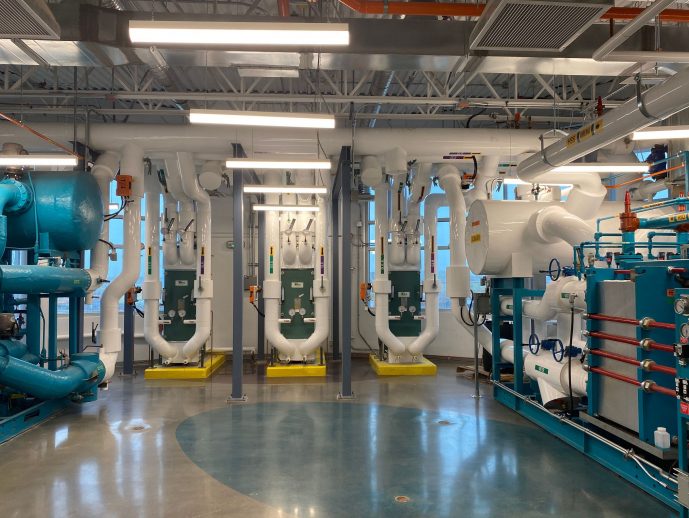
Heating, ventilation, and air conditioning (HVAC) systems are, by far, one of the largest energy consumers in any commercial property. Research from the U.S. Department of Energy indicates that these systems can account for up to 40 percent of a building's total energy use. Upgrading to modern, energy-efficient HVAC systems can dramatically reduce this drain. For example, next-generation heat pump packaged rooftop units, developed by companies like Carrier with support from the Department of Energy, have demonstrated up to 50 percent reduction in energy use compared with traditional gas-burning equipment. This improvement results not just in lower utility bills but also in a significant reduction in greenhouse gas emissions, making advanced HVAC systems an essential step for sustainability-focused properties.
Thermal Energy Storage
Thermal energy storage solutions enable commercial buildings to shift energy usage away from costly peak hours. By storing thermal energy in materials such as ice or other phase-change materials, these systems enable buildings to leverage off-peak electricity, ultimately reducing demand charges and enhancing grid stability. A recent initiative by the U.S. Department of Energy includes a $300 million investment that supports the large-scale deployment of virtual power plant-enabled thermal storage in commercial settings. Projects using systems like Nostromo Energy's IceBrick aim to install these innovative solutions in more than 190 properties, with the potential to avoid up to half a million tons of carbon emissions over their operational lifetime.
Digital Management Tools
Digital building and power management tools have revolutionized how commercial facilities handle energy consumption. Using IoT and machine learning platforms, operators can access real-time data to instantly optimize energy use. These technologies support sustainability by minimizing waste and reducing carbon footprints, while also ensuring compliance through precise reporting. According to Schneider Electric, digital retrofits can cut operational carbon emissions by up to 42%, often with a payback period under 3 years. They help identify inefficiencies and automate fixes, making digital management a vital part of continuous energy performance improvement.
Government Initiatives
Government support is a crucial factor driving widespread adoption of energy-efficient technologies in commercial buildings. Programs like the New York State Energy Research and Development Authority's Commercial and Industrial Carbon Challenge provide up to $10 million in funding to businesses looking to electrify their infrastructure and implement emissions-reduction strategies. These programs typically cover elements such as energy audits, technology upgrades, and workforce training, helping overcome financial barriers to adoption and accelerating the transition to greener solutions.
In addition to funding, these initiatives foster collaboration among government agencies, private-sector companies, and research institutions, creating a robust ecosystem for innovation. By facilitating knowledge sharing and best practices, they empower businesses to make informed decisions about their energy use. Ultimately, this concerted effort not only benefits individual companies but also contributes to the broader goal of reducing carbon emissions and promoting sustainability in the community.
Conclusion
Pursuing energy efficiency in commercial buildings is a strategic decision that delivers value on multiple fronts. Advanced HVAC systems, thermal energy storage, and digital management tools work together to provide actionable savings and create more sustainable, comfortable environments. Support from government agencies helps overcome financial and technical hurdles. The combination of these efforts positions commercial building owners and managers to realize long-term economic and environmental benefits, contributing to a cleaner and more resilient future for all.
Comments
