Categories more
- Adventures (62)
- Arts / Collectables (14)
- Automotive (77)
- Aviation (65)
- Bath, Body, & Health (123)
- Children (6)
- Cigars / Spirits (71)
- Cuisine (66)
- Design/Architecture (22)
- Electronics (63)
- Entertainment (36)
- Event Planning (115)
- Fashion (45)
- Finance (10)
- Gifts / Misc (6)
- Home Decor (118)
- Jewelry (41)
- Pets (3)
- Philanthropy (1)
- Real Estate (16)
- Services (44)
- Sports / Golf (14)
- Vacation / Travel (85)
- Watches / Pens (33)
- Wines / Vines (34)
- Yachting / Boating (67)


Essentials for a Refined, High-End Office Space

Published
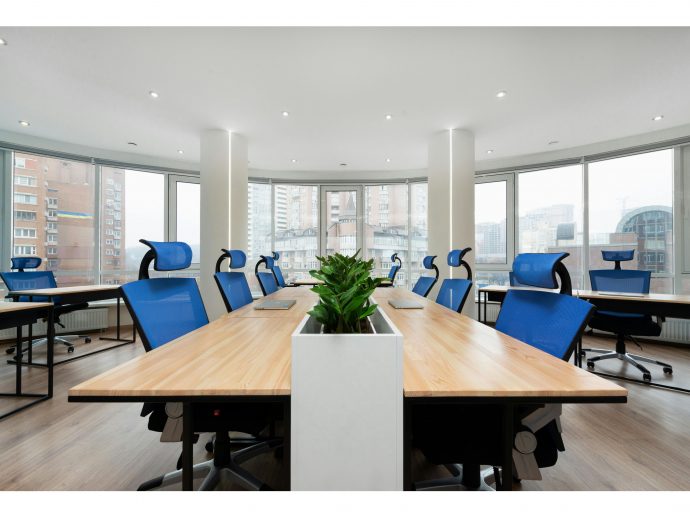
01/20/2026A high-end office environment is defined less by cost or scale and more by performance, comfort, and intentional design. In premium workplaces, every element serves a purpose, materials are selected for longevity, and systems are chosen for reliability. When executed well, these choices support focus and productivity rather than competing for attention.
Below is an overview of the essentials that distinguish a truly elevated office environment from one that simply looks expensive.
1. Environmental Quality as a Foundational Design Element
Air quality is a core component of workplace performance rather than an optional upgrade. Poor circulation and particulate buildup increase fatigue and reduce concentration, even in visually impressive spaces.
High-end offices increasingly rely on modern air filtration systems designed to manage particulate matter, volatile organic compounds, and airflow consistency in high-occupancy environments. These systems operate continuously and predictably, supporting both employee wellbeing and sensitive equipment.
Clean air enhances alertness while also signaling that health is considered as important as aesthetics.
2. Ergonomic Furniture With Architectural Cohesion
Luxury offices integrate ergonomics into design rather than treating it as an afterthought. Desks are engineered to support correct posture and movement, with sit-stand mechanisms that reduce strain without disrupting workflow or visual harmony.
Seating must provide adjustability while maintaining restrained form, and materials such as solid wood, metal frames, and high-grade upholstery are favored for their durability and aging characteristics. Ergonomic performance should complement, not compromise, architectural integrity.
3. Lighting Designed for Focus and Adaptability
Lighting has a direct impact on comfort, concentration, and energy levels throughout the day. High-end offices use layered lighting strategies that combine ambient, task, and accent lighting to support different activities without glare.
Color temperature should align with circadian rhythms, with cooler tones used during peak work hours and warmer tones introduced later to reduce eye strain. Adjustable lighting systems allow the environment to adapt rather than remain static.
4. Acoustic Control That Preserves Discretion
Silence is rarely practical in an office setting, but sound control is essential. Luxury workplaces manage acoustics through a balance of spatial zoning, absorptive materials, and soft finishes that reduce distraction without isolating occupants.
Meeting rooms require soundproofing for confidentiality, while open areas benefit from acoustic treatments that limit reverberation. Proper sound management supports focus and maintains discretion.
5. Seamless Technology Integration
Technology should enhance productivity without visually dominating the space. Cable management systems, wireless charging, and flush-mounted displays reduce clutter and preserve visual calm.
In high-end offices, hardware is accessible but intentionally concealed, allowing technology to support work while remaining secondary to the environment itself.
6. Materials Selected for Longevity and Patina
Luxury prioritizes durability over novelty. Materials such as stone, hardwood, metal, and glass communicate permanence and tend to develop character rather than deteriorate with use.
Synthetic finishes often reveal wear quickly, while natural materials age gracefully. Material honesty reinforces quality and trust.
7. Desk-Level Details That Support Daily Use
Small details shape daily experience and should be chosen with the same care as larger elements. Desk accessories must be functional, tactile, and visually cohesive, particularly items that are handled frequently.
Elements like ceramic coasters protect surfaces while contributing subtle texture and weight, reinforcing a sense of order and refinement.
8. Storage Solutions That Reduce Visual Noise
Effective storage balances accessibility with discretion. Open shelving can quickly introduce clutter, while concealed storage preserves visual calm.
Custom cabinetry allows storage to align with architecture, and quality hardware ensures smooth, quiet operation. Reducing visual friction supports mental clarity.
9. Spatial Layout That Encourages Natural Flow
Well-designed offices feel intuitive to move through. Circulation paths should be clear, furniture placement deliberate, and collaborative areas designed to function without creating congestion.
Poor layouts waste time and energy, while thoughtful spatial planning fades into the background and supports efficiency.
10. Wellness Features Embedded in Daily Experience
Wellness is most effective when integrated rather than isolated. Access to daylight, clean air, acoustic comfort, and ergonomic furniture work together to support sustained performance.
A Harvard T.H. Chan School of Public Health study found that employees in offices with improved air quality and ventilation scored up to 61% higher on cognitive function tests compared to conventional offices.
High-end offices invest in systems that support long-term wellbeing rather than short-term visual impact.
11. Brand Expression Through Restraint
Luxury environments communicate identity subtly. Brand colors appear as accents rather than saturation, and logos are integrated sparingly into materials or architectural elements.
Restraint conveys confidence and allows the space to speak for itself.
12. Maintenance Considered From the Start
Luxury fails without maintenance planning. Materials and systems should be selected with ease of care, service access, and durability in mind.
An office that degrades quickly undermines its own message, while thoughtful maintenance planning preserves quality over time.
13. Safety Essentials
You’ll be legally obligated to make sure your employees and customers are safe in your workplace. The same can even be said about the exact services or products you offer. You wouldn’t want to end up in a position where employees or clients can use the likes of Rainwater, Holt, & Sexton Injury Lawyers to make a workers compensation or personal injury claim.
Make sure you’ve invested in all of the safety essentials you need. Alarms, CCTV, anti-theft devices, and similar areas can all be more than worth putting the effort into. The more you put into it, the less you should have to worry.
Conclusion
A high-end office environment results from deliberate, interconnected decisions. Clean air, ergonomic design, acoustic control, refined materials, and thoughtful details combine to create spaces that perform as well as they appear.
From advanced air filtration systems to understated desk-level elements like ceramic coasters, luxury is expressed through consistency, longevity, and care.
Comments
