Categories more
- Adventures (62)
- Arts / Collectables (14)
- Automotive (77)
- Aviation (65)
- Bath, Body, & Health (123)
- Children (6)
- Cigars / Spirits (71)
- Cuisine (66)
- Design/Architecture (22)
- Electronics (63)
- Entertainment (36)
- Event Planning (115)
- Fashion (45)
- Finance (10)
- Gifts / Misc (6)
- Home Decor (118)
- Jewelry (41)
- Pets (3)
- Philanthropy (1)
- Real Estate (16)
- Services (44)
- Sports / Golf (14)
- Vacation / Travel (85)
- Watches / Pens (33)
- Wines / Vines (34)
- Yachting / Boating (67)



Exploring Clinically Proven Hair Thinning Treatments

Published
09/08/2026Noticing changes in your hair's density or experiencing increased shedding can be a worrying experience. Hair thinning is often more than just a cosmetic concern; it can point to deeper biological processes impacting scalp health and follicle vitality. Understanding these underlying mechanisms is crucial for finding effective solutions.
In this comprehensive guide, we will explore the biological factors that contribute to hair thinning. We will examine the science behind various clinically proven treatments available today. Our aim is to help you distinguish between temporary cosmetic fixes and true therapeutic interventions designed to combat thinning hair.
Join us as we delve into how to maintain a healthy scalp and promote sustained follicle health, offering clarity on effective strategies for managing hair thinning.
Hair thinning is a complex process influenced by a myriad of internal and external factors. It’s not merely about losing individual strands; it often involves a gradual reduction in the diameter and length of hair shafts, a phenomenon known as follicular miniaturization. This process is central to conditions like androgenetic alopecia, the most common form of hair loss, affecting both men and women. At its core, hair thinning involves disruptions in the normal hair growth cycle, which consists of anagen (growth), catagen (transitional), and telogen (resting) phases. When this cycle is shortened, or a disproportionate number of follicles enter the resting phase prematurely, the result is visibly thinner hair.
Key biological players include the dermal papilla, a cluster of cells at the base of the hair follicle that regulates hair growth and cycles. Changes in cellular signaling within these papilla cells can lead to impaired growth. Microcirculation, the blood flow to the scalp, also plays a critical role, as it delivers essential nutrients and oxygen to the follicles. Compromised microcirculation can starve follicles, leading to their weakening and eventual miniaturization. Understanding these intricate biological mechanisms is the first step toward effective intervention.
Role of Hormones and Genetics in Hair Density Loss
The interplay of hormones and genetics is a primary driver behind many forms of hair thinning, particularly androgenetic alopecia. This condition is characterized by a genetic predisposition that makes hair follicles sensitive to dihydrotestosterone (DHT), a potent derivative of testosterone. In susceptible individuals, the enzyme 5-alpha reductase converts testosterone into DHT, which then binds to receptors in genetically predisposed hair follicles. This binding triggers a process of follicular regression, where follicles gradually shrink, producing finer, shorter, and less pigmented hairs over successive growth cycles until they eventually cease production altogether.
Beyond androgenetic alopecia, hormonal fluctuations can also contribute to hair density loss. For instance, significant hormonal shifts during pregnancy, childbirth, or menopause can trigger telogen effluvium, a condition where a large number of hairs prematurely enter the resting (telogen) phase and then shed. While often temporary, chronic telogen effluvium can lead to noticeable thinning. Genetic factors also dictate the strength, texture, and overall resilience of our hair, making some individuals naturally more prone to thinning over time, even without significant hormonal imbalances.
Scalp Health and Follicular Miniaturization
The scalp is the foundation of healthy hair, and its condition profoundly impacts follicle vitality. A compromised scalp environment can exacerbate or even initiate hair thinning processes. Issues such as inflammation, often triggered by conditions like seborrheic dermatitis or psoriasis, can create a hostile environment for hair follicles. Chronic inflammation can damage the dermal papilla and surrounding tissues, hindering normal hair growth.
The scalp microbiome, the community of microorganisms residing on the skin, also plays a role. An imbalance in this delicate ecosystem can lead to increased inflammation, dandruff, and other conditions detrimental to hair health. Furthermore, excessive sebum accumulation can clog follicles, potentially impeding nutrient delivery and creating an anaerobic environment that may favor certain detrimental microbes. Even the stiffening of collagen around the hair follicle, a process observed in aging scalps, can restrict blood flow and nutrient supply, contributing to follicular miniaturization. Maintaining a balanced, healthy scalp—free from excessive inflammation, buildup, and microbial imbalance—is therefore paramount for supporting robust hair growth and preventing thinning.
Overview of Clinically Proven Hair Thinning Treatments
When addressing hair thinning, it's crucial to differentiate between solutions that offer temporary cosmetic improvements and those that provide true therapeutic benefits. Clinically proven hair thinning treatments are backed by scientific research, often involving clinical trials that demonstrate their efficacy in stimulating hair growth, reducing hair loss, or improving hair density. These therapeutic modalities work by targeting the underlying biological mechanisms of hair thinning, such as hormonal imbalances, inflammation, or compromised cellular signaling within the hair follicle.
Such treatments often involve active compounds designed to interfere with DHT production, stimulate blood flow, extend the anagen phase of hair growth, or provide essential nutrients directly to the follicles. For individuals seeking to genuinely combat thinning hair, exploring options that have demonstrated clinical efficacy is paramount. These interventions aim for long-term improvements in hair health rather than just superficial changes. They represent a significant advancement over remedies that lack scientific validation, offering hope for sustained results.
Evaluating Top Clinically Proven Hair Thinning Treatments
The landscape of clinically proven hair thinning treatments is diverse, encompassing various approaches tailored to different causes and severities of hair loss. Topical formulations are a cornerstone of many treatment regimens. These often contain active ingredients like minoxidil, which is thought to work by widening blood vessels and opening potassium channels, increasing blood flow and nutrient delivery to hair follicles, extending the anagen phase, and stimulating dormant follicles. Another class of topical treatments focuses on inhibiting the 5-alpha reductase enzyme locally, reducing DHT levels in the scalp without systemic effects.
Beyond traditional pharmaceuticals, advancements in understanding cellular signaling have led to the development of treatments incorporating bioactive peptides and specialized botanical extracts. These ingredients are often designed to mimic natural growth factors, reduce inflammation, or protect follicles from oxidative stress. For instance, certain peptide complexes can signal hair follicle cells to remain in the growth phase longer or to produce healthier, thicker hair. While some botanical extracts may offer antioxidant or anti-inflammatory benefits, their "clinical proof" often requires rigorous scientific validation to ensure they go beyond anecdotal evidence. The goal of these treatments is to actively stimulate growth phase activity and reverse miniaturization, leading to measurable improvements in hair density and quality.
Integrating Clinically Proven Hair Thinning Treatments into Daily Routines
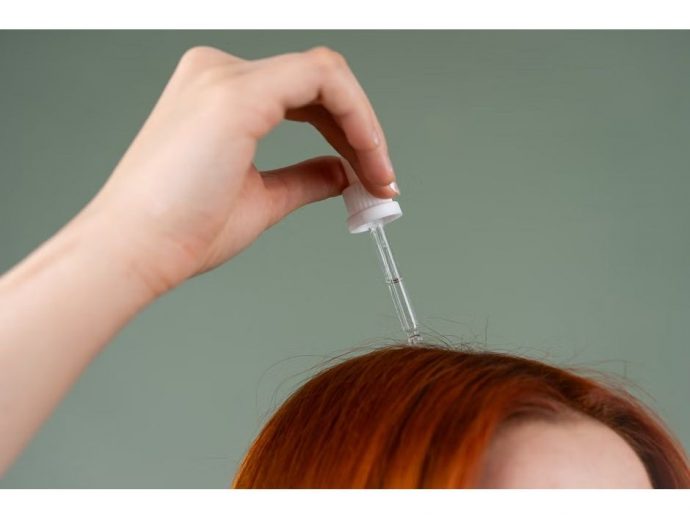
The success of clinically proven hair thinning treatments largely depends on consistent and correct application. Integrating these therapies into daily routines requires commitment and understanding of proper usage. For topical solutions, application consistency is key; skipping doses can diminish their effectiveness. Most treatments require daily or twice-daily application directly to the scalp, not just the hair strands.
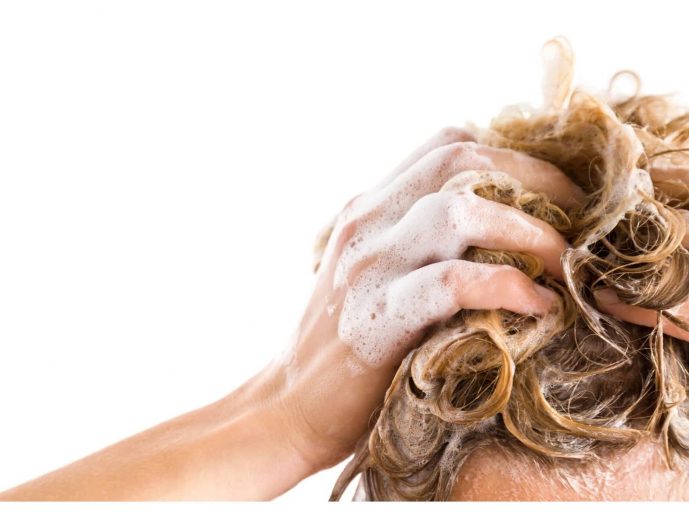
Proper scalp preparation is also vital. A clean scalp free from excessive product buildup or sebum allows for better absorption of active ingredients. Gentle cleansing and occasional exfoliation can optimize the scalp environment. Many individuals find success with multi-step regimens that combine different modalities, such as a topical treatment with a specialized shampoo or conditioner designed to support scalp health. However, it’s always advisable to consult with a dermatologist before combining treatments to ensure compatibility and avoid potential irritation.
Long-term maintenance is another critical aspect. Hair thinning is often a chronic condition, and treatments typically need to be continued indefinitely to maintain results. Discontinuation can lead to a reversal of any gains. Establishing a consistent routine and viewing hair care as an ongoing commitment rather than a temporary fix is essential for achieving and sustaining optimal outcomes.
Distinguishing Between Cosmetic Fixes and Therapeutic Solutions
In the quest for healthier, fuller-looking hair, it's easy to confuse products that offer immediate aesthetic improvements with those that provide long-term therapeutic benefits. Cosmetic fixes primarily work on the surface of the hair shaft, enhancing its appearance, feel, and manageability. They often employ ingredients like silicone coatings, emollients, and conditioning agents to create a smoother, shinier, or temporarily thicker look. While these products can significantly improve the cosmetic appeal of hair, they do not address the underlying biological causes of hair thinning or promote new hair growth from the follicle.
Therapeutic solutions, on the other hand, are designed to interact with the biological processes occurring at the scalp and follicular level. They contain active compounds that aim to stimulate dormant follicles, extend the hair growth cycle, reduce inflammation, or inhibit hormonal factors contributing to thinning. The goal is deep follicle nourishment and a physiological change that leads to actual hair regrowth or a reduction in hair loss. Understanding this distinction is crucial for individuals seeking genuine solutions for hair thinning, as relying solely on cosmetic fixes will not alter the progression of conditions like androgenetic alopecia.
Surface Smoothness vs. True Follicle Density
Let's delve deeper into the difference between products that offer surface smoothness and those that aim for true follicle density. Many popular hair serums, like the Pilgrim Argan Oil Hair Serum with Camellia & White Lotus, excel at providing immediate cosmetic benefits. According to consumer study data, 91% of users observed shinier hair, 92% confirmed hair felt healthier, and 87% noticed less frizziness. These impressive statistics highlight the product's effectiveness in enhancing hair's appearance.
This type of serum typically utilizes a blend of ingredients to achieve these results. For instance, the Pilgrim serum combines botanical extracts like Argan Oil, White Lotus, and Camellia, which can provide surface moisture and antioxidant benefits, with synthetic cosmetic silicones such as Cyclomethicone, Dimethicone, and Dimethiconol. These silicones are highly effective at creating a protective coating around the hair cuticle. This coating instantly reflects light for shine, reduces friction for easier detangling, and seals the cuticle to minimize frizz. The spray formula of such serums also offers convenience, allowing for uniform misting without messy hands, differing from traditional serums applied via droppers or pumps. It is suitable for all hair types and for both men and women, and is often formulated without harmful chemicals like parabens, sulphates, or mineral oils, making it generally safe for sensitive scalps (though patch testing is always recommended). Users can typically expect to see visible cosmetic improvements in shine and frizz control from the first usage.
However, while these products deliver excellent surface conditioning and temporary volume by plumping the hair shaft, they do not engage in root stimulation or influence the biological processes within the hair follicle that dictate true follicle density. Their primary action is external, on the hair strand itself. Therapeutic treatments, conversely, focus on clinical end points like increasing the number of active follicles, reversing miniaturization, and promoting the growth of thicker, stronger hair from the root. They aim to alter the hair growth cycle and follicle health at a cellular level, leading to a measurable increase in hair density over time, rather than just improving the look and feel of existing hair.
Frequently Asked Questions About Hair Thinning Treatments
Navigating hair thinning treatments can bring up many questions. Here, we address some of the most common inquiries to provide clarity and guidance.
How long does it take to see visible improvements from thinning therapies?
Patience is a crucial virtue when embarking on a hair thinning treatment regimen. The hair growth cycle is a slow process, and visible improvements typically do not appear overnight. Most individuals can expect to see initial results, such as reduced shedding or the emergence of fine new hairs, within three to six months of consistent use. This timeline is dictated by the natural phases of hair growth, particularly the telogen (resting) phase, which can last for several months before a new anagen (growth) phase begins. Significant density milestones, like noticeable thickening or increased coverage, usually require six to twelve months or even longer. Individual responses can vary based on the severity of thinning, the specific treatment used, and adherence to the application protocol.
Can topical treatments prevent further follicle miniaturization?
Yes, many clinically proven topical treatments are designed not only to stimulate new growth but also to prevent further follicle miniaturization. Treatments that target DHT, for example, work by inhibiting the enzyme responsible for converting testosterone into DHT, protecting genetically susceptible follicles from its miniaturizing effects. Other treatments may work by extending the anagen phase of hair growth, improving nutrient delivery to follicles, or reducing inflammation, all of which contribute to follicle revitalization and help maintain their health and size. For these preventive benefits to be sustained, continuous application is typically required. Think of it as ongoing preventive care for your follicles; stopping treatment often leads to a gradual return to the previous state of thinning.
Is combining different treatment modalities safe for sensitive scalps?
Combining different treatment modalities can sometimes enhance results, but it requires careful consideration, especially for individuals with sensitive scalps or skin conditions. The primary concern is potential irritation or adverse reactions from the interaction of various active ingredients. Before integrating multiple products, it is highly recommended to perform a patch test on a small, inconspicuous area of the scalp to check for any redness, itching, or discomfort.
Ingredients like anti-inflammatory agents can be beneficial for sensitive scalps by reducing irritation, but some active compounds might be too harsh when used together. Always check ingredient compatibility and consider consulting with a dermatologist. A professional can assess your scalp's sensitivity, identify potential triggers, and recommend a safe and effective multi-product regimen that supports your scalp barrier while addressing hair thinning concerns. Starting with one new product at a time and gradually introducing others allows you to monitor your scalp's reaction effectively.
Conclusion
Navigating the complexities of hair thinning requires both understanding and strategic action. We've explored the intricate biological mechanisms that lead to hair loss, from hormonal influences and genetic predispositions to the critical role of scalp health. The distinction between cosmetic fixes, which offer immediate aesthetic enhancements, and true therapeutic solutions, which target the root causes of thinning at the follicular level, is paramount for anyone seeking genuine, lasting results.
Clinically proven treatments offer a scientific approach to combating hair thinning, working to stimulate growth, reduce loss, and promote sustained follicle health. The journey to fuller hair is often a long-term commitment, emphasizing the importance of early intervention, consistent clinical compliance, and a holistic approach to scalp care. By choosing evidence-based solutions and maintaining a diligent routine, individuals can effectively manage hair thinning and foster a healthier environment for their hair to thrive.
Comments
