Categories more
- Adventures (199)
- Arts / Collectibles (315)
- Automotive (219)
- Aviation (279)
- Bath, Body & Health (513)
- Children (116)
- Cigars / Spirits (271)
- Cuisine (723)
- Design / Architecture (1118)
- Electronics (222)
- Entertainment (162)
- Event Planning (295)
- Fashion (550)
- Finance (195)
- Gifts / Misc (141)
- Home Decor (558)
- Jewelry (396)
- Pets (91)
- Philanthropy (124)
- Real Estate (386)
- Services (221)
- Sports / Golf (213)
- Vacation / Travel (1036)
- Watches / Pens (223)
- Wines / Vines (861)
- Yachting / Boating (6816)



From Flowers to Heirlooms: How to Preserve Blooms With Personal Meaning

Published
09/28/2026Every celebration leaves something behind. Long after the guests have gone home and the photographs have been filed away, there are usually a few small objects sitting on a counter or tucked into a drawer, waiting for someone to decide what happens to them next.
For couples in St. Louis, this moment arrives faster than expected, often in the quiet days right after the event when everyone else has moved on. The objects themselves are ordinary. What makes them worth a second thought is everything attached to them.
Why Certain Objects Are Worth Keeping
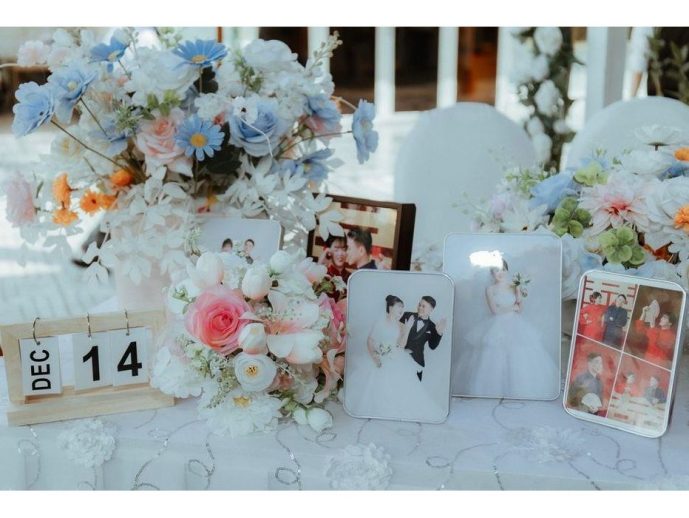
A wedding day produces far more than a set of pictures, and some of what it leaves behind has a very short shelf life. The difficulty with flower preservation is that blooms start to fade within a day or two, well before anyone has had the time or energy to decide what should happen to them.
A dedicated preservation studio solves that problem by stepping in while everything is still fresh and handling the work properly from the start. Keeping that work close to home is simpler through St. Louis flower preservation, where the pieces stay in local hands from drop-off to return.
The Difference Between Clutter and a Keepsake
Most homes accumulate things without much thought. A keepsake is different because it has been chosen. The test is simple enough: if you can look at an object and immediately recall where you were, who was with you, and how the day felt, it has earned its place. If you have to work out why you kept it, it is probably just an item taking up space.
This distinction matters because storage is limited and attention is limited too. A drawer holding forty souvenirs gives you nothing. A shelf holding four meaningful pieces gives you something to return to. Being selective is not sentimental coldness. It is what allows the pieces you do keep to carry their full weight.
How Meaning Attaches Itself to Small Things
Nobody plans for a particular object to become important. Meaning tends to settle on things quietly, usually because the object was present during something that mattered. A ribbon, a card, a ticket stub, a small gift from a relative who is no longer here: none of these were designed to be treasured. They became treasured by being in the room.
That is also why meaning cannot be manufactured after the fact. Buying a beautiful item and deciding it will be significant rarely works. The significance comes from the memory, not the object, and the object simply gives the memory somewhere to live. Understanding this makes it much easier to decide what to keep, because you stop asking whether something looks valuable and start asking whether it holds anything.
Choosing What Deserves a Permanent Place in Your Home
Once you know which pieces matter, the next question is where they go. Items hidden in boxes tend to be forgotten, and forgotten items eventually get thrown out during a move or a clear-out. If something is worth keeping, it should be somewhere you actually see it.
Think about the rooms you spend real time in. A hallway you walk past twenty times a day is a better home for something meaningful than a guest room nobody enters. Consider the light in the room as well, since strong direct sun is hard on almost anything delicate.
What Turns a Keepsake Into a Family Heirloom
The step from personal keepsake to family heirloom is mostly about time and story. An object becomes an heirloom when more than one generation knows what it is and why it is there. Without that knowledge, it is just an old thing, and old things get discarded.
So the story has to travel with the object. Write down where it came from, what day it belonged to, and who was present. A short note kept alongside the piece does more work than any amount of careful packing, because it is the note that tells the next person why this matters. Families lose far more history to silence than to breakage.
Caring for Sentimental Items Over the Long Term
Long-term care is less complicated than most people assume, but it does require a little attention. Heat, damp, and direct sunlight cause almost all the damage that sentimental objects suffer over the years. A stable indoor spot away from windows, radiators, and bathrooms will protect most things well enough.
Handle pieces gently and not too often. Dust with something soft and dry rather than anything wet or chemical. If an item needs to be stored rather than displayed, wrap it in acid-free paper and keep it in a rigid box so nothing presses down on it.
Passing Memories to the Next Generation
Handing something down works best when it is done deliberately rather than left to chance. Deciding in advance who receives which piece avoids awkwardness later, and telling that person now means they hear the story from you rather than piecing it together afterward.
It also helps to be realistic. Not everyone in a family wants the same things, and forcing an object on someone who feels no connection to it is how heirlooms end up in charity shops. Ask. A relative who genuinely wants a piece will look after it far better than one who feels obligated.
Making Room for the Things That Matter
Holding on to memories is not about keeping everything. It is about keeping the right things and giving them proper attention. A handful of well-chosen pieces in a home says far more about a family than a garage full of boxes ever will.
The wedding day is the most obvious example, but the same logic applies to any occasion worth marking: a milestone anniversary, the birth of a child, a farewell to someone loved. In each case, the question is the same. What single object best holds this memory, and where will it live so that people actually see it? Answer that clearly, and you end up with a home full of things that mean something, rather than a home full of things.
Comments
