Categories more
- Adventures (199)
- Arts / Collectibles (315)
- Automotive (219)
- Aviation (279)
- Bath, Body & Health (513)
- Children (116)
- Cigars / Spirits (271)
- Cuisine (723)
- Design / Architecture (1118)
- Electronics (222)
- Entertainment (162)
- Event Planning (295)
- Fashion (550)
- Finance (195)
- Gifts / Misc (141)
- Home Decor (558)
- Jewelry (396)
- Pets (91)
- Philanthropy (124)
- Real Estate (386)
- Services (221)
- Sports / Golf (213)
- Vacation / Travel (1036)
- Watches / Pens (223)
- Wines / Vines (861)
- Yachting / Boating (7013)



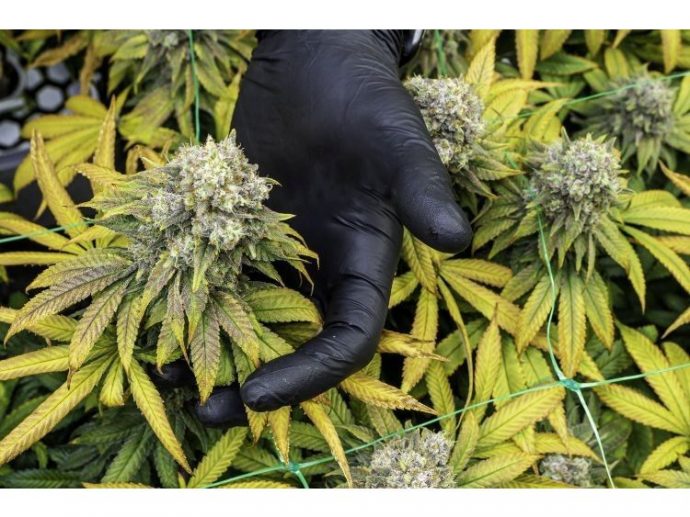
From Seed to Showpiece: Why Growing Rare Cannabis Plants Appeals to Collectors

Published
08/17/2026Collecting has always been about more than ownership. A carefully chosen watch, an unusual vintage, or a piece of original art often has a story behind it. For some enthusiasts, plants offer a similar experience, with the added satisfaction of watching a prized specimen develop over time.
In places where home cannabis cultivation is legal, this mindset can extend to cannabis plants. The appeal lies in selecting interesting genetics, learning how different plants develop, and taking a hands-on role from germination onward.
For collectors who already appreciate rarity, provenance, craftsmanship, and patience, growing a distinctive plant can feel more personal than buying another finished object.
Rarity Gives Collecting a Sense of Purpose
A good collection usually has some logic behind it. One person might seek watches from a particular era, while another focuses on first-edition books or hard-to-find orchids. Cannabis enthusiasts can take a similar approach to genetics.
Collectors may focus on particular characteristics, lineages, or varieties that interest them. Some might enjoy comparing plants with noticeably different appearances, while others may be interested in how related varieties differ as they mature.
This creates opportunities to build a collection around a theme. A smaller, carefully considered collection can be far more interesting when every addition has a reason for being there.
Growing Adds Another Dimension to Collecting
Many luxury collections are built around finished objects. Plants are different because the collector participates in the process.
Starting with a seed means accepting that the final result will take time. Plants need suitable conditions and regular attention as they develop. That makes cultivation an ongoing hobby rather than a one-time purchase.
There is also an element of observation. Collectors can document how individual specimens change throughout their life cycle, noting differences in growth patterns, structure, foliage, and other visible traits. Keeping photographs and written records can turn an individual grow into part of a longer-term collection.
This slower experience has parallels with other specialist interests. Wine enthusiasts learn about vintages and storage. Gardeners become familiar with soil, seasons, and plant varieties. Cannabis cultivation similarly rewards people who enjoy learning the details behind what they collect.
Choosing Seeds With a Collector’s Eye
Building an interesting collection starts with deciding what actually deserves a place in it. Buying randomly can quickly produce a collection without much identity.
A better approach is to establish a focus first. Collectors could organize their interests around genetics, plant characteristics, or varieties they simply find intriguing. This makes it easier to compare potential additions instead of treating every seed as interchangeable.
When browsing a specialist retailer such as Pacific Seed Bank, collectors can approach the process much as they would when researching other plants: read the available information carefully, decide what fits the collection, and avoid buying solely because something sounds fashionable.
Before choosing anything intended for cultivation, consider practical questions too:
- Is home cannabis cultivation legal in your location?
- Do you have an appropriate and lawful space for growing?
- Does the variety suit the conditions you can provide?
- How will you document different specimens?
- Does the addition fit the theme of your existing collection?
These questions help shift the emphasis from acquiring more seeds to making thoughtful choices.
Presentation Can Turn Plants Into Showpieces
Collectors often care about how their possessions are displayed. A painting gets the right lighting. A classic car may have a dedicated garage. An impressive plant collection deserves similar consideration.
For legally grown cannabis plants, presentation starts with a tidy and functional growing environment. Containers, lighting, storage, and equipment can be organized rather than treated as an afterthought. Those with sufficient space might dedicate a private room or lawful growing area to their horticultural interests.
The surroundings matter as well. A plant can look striking when its container and setting suit its size and shape. Clean shelving, well-organized tools, and thoughtful placement can make a cultivation area feel like a considered part of the home rather than a collection of miscellaneous gardening equipment.
Collectors should still prioritize plant requirements over appearance. A beautiful container is of little use if it is unsuitable for the plant. The best setups find a practical balance between horticulture and presentation.
Documentation Makes the Collection More Meaningful
A collection becomes more interesting when its owner can explain it. Documentation provides that context.
A simple record can include the variety name, when it was acquired, when cultivation began, and photographs showing development. Collectors can also note observable characteristics that distinguish one specimen from another. Over time, these records create a personal archive.
Create a Consistent Catalog
Give every entry the same basic format. Consistency makes comparisons easier later and prevents important details from being forgotten.
Photograph Plants at Regular Stages
Photos provide a visual history that memory cannot. Using a similar background or framing each time can make changes easier to see.
Record Why Each Addition Matters
A short note explaining why a particular variety joined the collection can be surprisingly useful. Perhaps it represented a new lineage to investigate or simply had characteristics the collector had not grown before.
Patience Is Part of the Appeal
Luxury is often associated with immediate access, but some of the most absorbing hobbies resist shortcuts. Gardening is one of them.
Growing a plant from seed asks the collector to spend time learning, observing, and adapting. There is no way to purchase the experience of seeing a particular specimen develop day after day. That process can become as important as the mature plant itself.
It also encourages selectivity. Space, time, and legal limits can all place boundaries on a collection. Instead of treating those limits as disadvantages, collectors can use them to become more discerning about what they choose to grow.
Final Thoughts
Rare and interesting plants offer collectors something conventional objects cannot: a collection that is constantly changing. For cannabis enthusiasts in jurisdictions where cultivation is permitted, choosing genetics, documenting individual plants, and watching them mature can turn gardening into a highly personal collecting hobby.
The most rewarding approach is deliberate rather than excessive. Check local laws, choose a clear collecting theme, keep useful records, and give each plant the conditions it needs. With patience and careful selection, the journey from seed to showpiece can become just as compelling as the finished collection itself.
Comments
