Categories more
- Adventures (119)
- Arts / Collectables (54)
- Automotive (109)
- Aviation (133)
- Bath, Body, & Health (273)
- Children (63)
- Cigars / Spirits (128)
- Cuisine (266)
- Design/Architecture (96)
- Electronics (98)
- Entertainment (56)
- Event Planning (147)
- Fashion (184)
- Finance (19)
- Gifts / Misc (51)
- Home Decor (221)
- Jewelry (151)
- Pets (34)
- Philanthropy (7)
- Real Estate (125)
- Services (79)
- Sports / Golf (60)
- Vacation / Travel (523)
- Watches / Pens (107)
- Wines / Vines (471)
- Yachting / Boating (145)



From Vinyl to Silicone: Why Reborn Doll Collectors Are Changing Their Preference

Published
09/21/2026For years, vinyl has been one of the most familiar materials in the reborn doll world. It is practical, easy to dress, and capable of showing remarkably detailed painting. But as collectors become more focused on touch, movement, and the experience of holding a lifelike doll, silicone is attracting more attention.
The change does not mean vinyl is disappearing. Instead, collectors browsing reborn baby dolls are becoming more specific about what realism means to them. For some, a realistic face is enough. For others, the way a doll bends, settles into the arms, and feels against the skin has become just as important as its appearance.
That growing interest has made the silicone baby category especially appealing to collectors who want a softer, more flexible doll and a different holding experience from traditional vinyl designs.
Vinyl Set the Standard for Realistic Doll Collecting
Vinyl remains an important part of reborn collecting for good reason. A well-made vinyl reborn can have layered skin tones, carefully painted hands and feet, rooted or painted hair, expressive eyes, and realistic facial sculpting.
Vinyl is also relatively firm, which makes the doll easier to dress and reposition. Cloth-body vinyl dolls can be weighted to create a convincing feel while remaining comfortable to carry. For collectors who regularly change outfits, arrange photo setups, or handle their dolls often, those practical qualities continue to matter.
This is why the current interest in silicone should not be viewed as one material simply replacing another. It is better understood as collectors discovering that there are different kinds of realism.
Collectors Are Looking Beyond Visual Realism
Earlier buying decisions often centered heavily on appearance. How realistic is the skin painting? Does the face look like a newborn? Is the hair convincing?
Those details still matter, but material has become a bigger part of the conversation.
Silicone changes the tactile experience. It compresses more easily than vinyl and allows the limbs and body to move with greater flexibility. When a full-body silicone doll is picked up, the material can shift and settle differently in the arms.
For collectors who enjoy holding their dolls rather than primarily displaying them, that difference can become significant. Realism is no longer only about what the doll looks like on a shelf or in a photograph. It can also be about how the doll feels during everyday interaction.
Full-Body Designs Create a Different Experience
Another reason silicone has attracted collectors is the availability of full-body designs.
Many vinyl reborns use a cloth torso with vinyl arms, legs, and a vinyl head. This construction has advantages, especially for cuddling and dressing, but the fabric body is usually hidden beneath clothing.
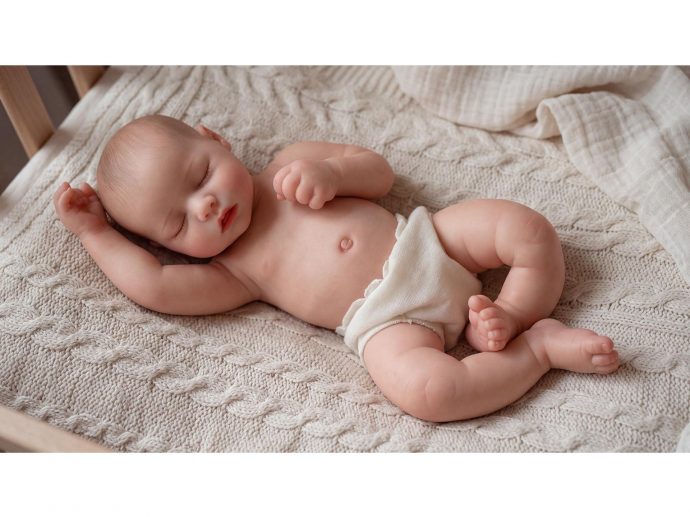
A full-body silicone doll offers a continuous sculpt from head to toe. That makes details on the torso, arms, legs, hands, and feet part of the complete design.
For collectors who enjoy photography, changing outfits, or displaying more of the doll's body, this creates additional possibilities. Sleeveless clothing, diaper-only newborn photos, and other setups can show details that would normally be covered on a cloth-body doll.
Size Options Have Made Silicone More Approachable
Silicone reborn dolls were once strongly associated with large, heavy, premium collector pieces. That perception is changing as buyers encounter more size options.
Smaller silicone dolls allow collectors to experience the softness and flexibility of the material without necessarily choosing a large newborn-size design. Medium sizes can offer a balance between realistic proportions and easier handling, while larger dolls provide a more substantial holding experience.
This variety matters because collectors do not all want the same thing. Some value portability and easy storage. Others want a doll that feels more substantial in their arms. A broader selection of sizes makes silicone relevant to more collecting styles.
Social Sharing Favors Movement and Texture
Photography has always been part of doll collecting, but video has made material differences much easier to see.
A still photograph can show detailed painting on both vinyl and silicone. Video, however, can show how a doll's limbs move, how the material responds when held, and how the body settles into different positions.
These visual demonstrations help collectors understand differences that are difficult to communicate through product descriptions alone. They also make texture and flexibility more noticeable parts of the buying decision.
As collectors see more close-up videos, nursery setups, outfit changes, and holding demonstrations, interest can naturally extend beyond appearance toward the physical experience of the doll.
Silicone Still Comes With Trade-Offs
The growing interest in silicone does not mean it is the right choice for everyone.
Silicone generally requires gentler handling. Fingers, toes, and other thin areas should not be pulled or stretched unnecessarily. The surface can also attract lint and dust more easily, and clothing changes may require more care because fabric can create friction against the softer material.
Vinyl remains appealing for collectors who want frequent outfit changes, easier handling, and relatively simple maintenance. It may also suit first-time buyers who want realistic details without committing to the additional care associated with silicone.
The better material therefore depends on the collector rather than on a universal ranking.
The Future Is More About Choice Than Replacement
The shift from vinyl toward silicone is best understood as an expansion of collector preferences. As realistic doll design develops, buyers can choose not only facial expressions, hair, clothing, and size, but also the type of physical experience they want.
Vinyl continues to offer excellent visual detail and everyday practicality. Silicone adds softness, flexibility, and full-body realism that appeal to collectors looking for a more tactile experience.
Many collectors may ultimately appreciate both for different reasons. What is changing is not simply the preferred material. It is the definition of realism itself, moving from how a reborn doll looks to how it looks, moves, feels, and fits into the collector's personal experience.
Comments
