Categories more
- Adventures (62)
- Arts / Collectables (14)
- Automotive (77)
- Aviation (65)
- Bath, Body, & Health (123)
- Children (6)
- Cigars / Spirits (71)
- Cuisine (66)
- Design/Architecture (22)
- Electronics (63)
- Entertainment (36)
- Event Planning (115)
- Fashion (45)
- Finance (10)
- Gifts / Misc (6)
- Home Decor (118)
- Jewelry (41)
- Pets (3)
- Philanthropy (1)
- Real Estate (16)
- Services (44)
- Sports / Golf (14)
- Vacation / Travel (85)
- Watches / Pens (41)
- Wines / Vines (34)
- Yachting / Boating (67)


Future Trends in Data-Driven Marketing Strategies

Published
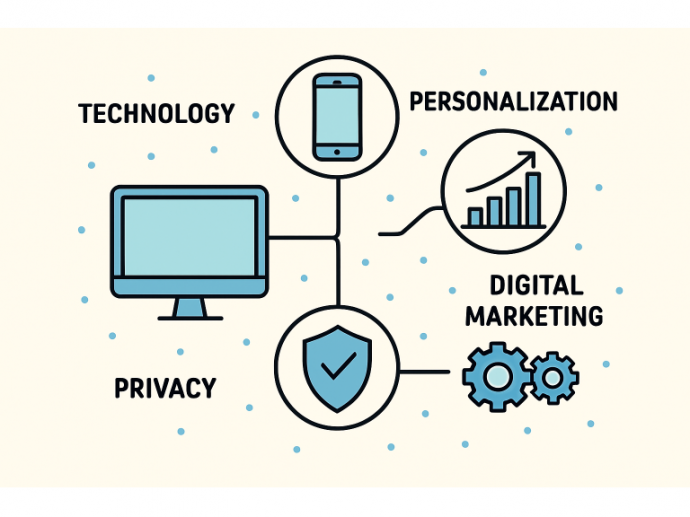
01/25/2026In the era of digital transformation, businesses are increasingly turning to data-driven marketing to carve out a competitive edge. As technology evolves, so do the complexities and opportunities in digital marketing, making it crucial for brands to monitor emerging tactics and tools. Among the advancements shaping marketing practices are ad tech platforms, which empower marketers to harness actionable insights and personalize the customer journey like never before. Staying at the forefront of these trends is not just beneficial; it's vital for long-term success.
Adopting a data-first mindset means more than just tracking analytics; it’s about leveraging cutting-edge innovations, staying compliant with evolving data regulations, and integrating new tools that bridge the gap between offline and online engagement. Brands that understand and capitalize on these shifts can deliver relevant, timely, and seamless experiences for their audience. The coming years will reward marketers who move beyond intuition and instead master the science behind customer data.
AI and Machine Learning for Hyper-Personalization
The application of Artificial Intelligence (AI) and Machine Learning (ML) in marketing is a game-changer. These technologies sift through colossal volumes of consumer data, identifying patterns and predicting preferences with unparalleled accuracy. Companies like Netflix rely heavily on AI-driven recommendation engines; Netflix’s user-tailored content suggestions have helped the company achieve a customer retention rate of over 93%, showcasing the tangible impact of intelligent personalization. By refining strategies using AI, marketers can create bespoke experiences that nurture customer loyalty and maximize revenue per user.
Machine learning models actively improve over time, learning which messages, channels, and content resonate best with different market segments. Forward-thinking brands are now automating not only campaign delivery but also entire decision-making processes regarding offers, timing, and even creative variants through AI optimization.
Privacy-First Marketing and Data Compliance
Marketers are navigating a complex landscape of global privacy regulations, including the EU’s GDPR and California’s CCPA. Today’s consumers expect transparency, control, and security regarding their data. A PwC survey found that nearly 80% of customers are more willing to engage with brands that openly communicate how they collect and use data. Marketers who invest in robust consent management tools, adopt cookie-less tracking, and lead with privacy-focused messaging are reinforcing customer trust, a currency as valuable as any.
Integration of Offline and Online Data for Holistic Insights
The ability to connect offline and online behaviors unlocks a truly comprehensive understanding of each customer. Customer Data Platforms (CDPs) and advanced CRM systems synthesize in-store interactions, call center engagements, and online touchpoints into a single view. This integrated approach enables brands to deliver relevant, unified messages across every channel, whether that’s email, digital ads, or physical retail.
This trend not only enhances personalization but also illuminates previously hidden gaps in the customer journey. According to a 2023 Gartner report, organizations that unify customer insights across channels achieve a 20% uplift in campaign effectiveness, thanks in part to better audience segmentation and real-time engagement triggers.
Real-Time Marketing and Predictive Analytics
As competition quickens, brands must respond instantly to demand signals. Real-time marketing platforms aggregate data from diverse sources to push timely messages as soon as they’re relevant. For example, airlines now offer ultra-personalized upgrades or cross-sells based on a traveler’s digital footprint and even their current location. Predictive analytics further enhances this capability by forecasting customer needs and behaviors, allowing businesses to meet expectations rather than react.
This real-time responsiveness not only improves customer satisfaction but also drives operational efficiencies, as marketing dollars flow to the moments and platforms with the highest ROI.
Advanced Attribution Modeling
The evolution from last-click to multi-touch attribution gives marketers unprecedented clarity on what drives conversions. Complex attribution models now assign value across the entire marketing funnel, rather than just the final touchpoint. This empowers leaders to make data-backed investment decisions, balancing spend across social, search, email, and offline tactics based on actual performance. According to a recent study by Forbes, advanced attribution improves marketing ROI by ensuring budgets are allocated to only the most impactful strategies.
As models become more sophisticated, they will increasingly leverage AI to process vast cross-channel data, offering more profound insight into the multi-layered modern customer journey.
Conclusion
Data-driven marketing is at a pivotal crossroads, where emerging technology, evolving consumer expectations, and regulatory shifts are rapidly redefining the marketing landscape. Brands equipped to embrace these trends, especially those leveraging powerful ad tech platforms and holistic analytics, will create deeper connections, deliver more meaningful experiences, and drive sustained growth.
Comments
