Categories more
- Adventures (78)
- Arts / Collectables (24)
- Automotive (82)
- Aviation (80)
- Bath, Body, & Health (150)
- Children (55)
- Cigars / Spirits (97)
- Cuisine (104)
- Design/Architecture (39)
- Electronics (76)
- Entertainment (49)
- Event Planning (125)
- Fashion (98)
- Finance (19)
- Gifts / Misc (20)
- Home Decor (138)
- Jewelry (81)
- Pets (12)
- Philanthropy (5)
- Real Estate (54)
- Services (63)
- Sports / Golf (44)
- Vacation / Travel (185)
- Watches / Pens (88)
- Wines / Vines (55)
- Yachting / Boating (93)


Heat Pump Guide for Modern Homes

Published
02/17/2026Table of Contents
- Benefits of Heat Pumps
- Types of Heat Pumps
- Installation Considerations
- Maintenance Tips
- Cost and Incentives
- Environmental Impact
- Common Misconceptions
- Conclusion
Choosing the right heating and cooling system for your home can have a major impact on your energy bills and the environment. More homeowners are turning to heat pumps as a modern, efficient year-round solution. If you’re considering an upgrade and want to learn more about how heat pumps work, their benefits, and what to expect during installation, this guide covers everything you need to know. For those in Ottawa or similar climates, be sure to consult a local resource like reliable heat pumps Ottawa for tailored advice and recommendations.
Heat pumps are not just for mild climates. Modern advancements make them suitable for even the coldest Canadian winters, ensuring year-round comfort and efficiency. Alongside their cost-saving potential, heat pumps also appeal to environmentally conscious homeowners who want to reduce their reliance on traditional fossil fuel-based heating systems without sacrificing warmth or cooling capacity.
Understanding the different types of heat pumps, their maintenance needs, and the potential savings available through rebates and incentives can help you make an informed decision. Learning about the long-term usability and common misconceptions ensures that you maximize the value of your investment. This comprehensive heat pump guide breaks down the process, benefits, costs, and environmental impact for modern homes.
For an in-depth look at the benefits of heat pump technology and its comparisons with other home heating strategies, consult resources such as the U.S. Department of Energy's Heat Pump Systems Guide.
Benefits of Heat Pumps
Heat pumps offer several game-changing advantages for today's homeowners. The most significant is energy efficiency. Heat pumps use existing heat from the air or ground to regulate your home’s temperature, consuming far less energy than traditional high-consumption heating systems. According to the U.S. Department of Energy, switching to a heat pump can reduce home heating energy consumption by up to 75%, resulting in tangible savings on monthly bills.
- Energy Efficiency: Compared to oil or gas furnaces, heat pumps deliver the same heating and cooling at a fraction of the energy cost.
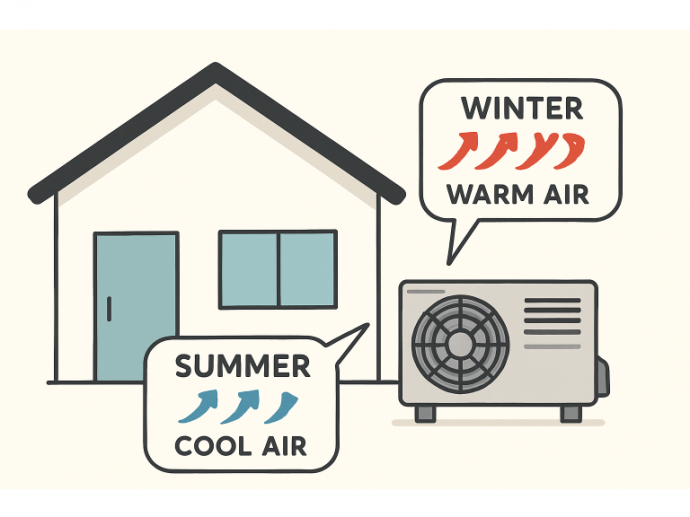
- Dual Functionality: Heat pumps can heat your home in winter and cool it in summer, providing year-round comfort.
- Environmental Benefits: By using renewable thermal energy from the air or the ground, heat pumps reduce your household’s carbon footprint and improve local air quality.
Types of Heat Pumps
Several types of heat pump systems are available, each suited to different locations and needs:
- Air-Source Heat Pumps: The most commonly installed variety, air-source models exchange heat between indoor air and the outdoor environment. They’re versatile, relatively easy to install, and ideal for most climates.
- Ground-Source (Geothermal) Heat Pumps: These use subterranean loops to take advantage of the earth’s stable underground temperature. Though installation costs are higher, they offer exceptional long-term efficiency and very low operating costs.
- Water-Source Heat Pumps: If your property is near a pond, lake, or river, a water-source pump may be suitable. These systems use water as a heat-exchange medium and achieve high efficiency where water bodies are available.
Installation Considerations
Planning for a new heat pump involves several critical steps to ensure optimal performance:
- Home Insulation: Before installation, check that your home is well-insulated. Insulation minimizes heat loss and maximizes the efficiency and effectiveness of your new system.
- Climate Suitability: Modern heat pumps are engineered for colder-weather performance, but choosing a model rated for your specific climate guarantees the best results, even in sub-zero temperatures.
- Professional Installation: Certified installers understand the nuances of sizing, placement, and system calibration. Proper installation helps prevent breakdowns and extends system lifespan.
Maintenance Tips
Routine maintenance maximizes the operational life of a heat pump while keeping it efficient. Pay close attention to these key areas:
- Filter Cleaning: Clean or replace the filters monthly to keep incoming airflow free of dust and debris, supporting optimal system efficiency.
- Outdoor Unit Inspection: Regularly check that the outdoor unit is clear of leaves, branches, and snow, ensuring steady airflow and preventing blockages or ice buildup.
- Professional Servicing: Schedule an annual maintenance check with a professional to examine all system components, refrigerant levels, and efficiency calibrations.
Cost and Incentives
The upfront cost for installing a heat pump may be higher than conventional systems, but substantial government incentives can help offset this expense:
- Federal Tax Credits: U.S. homeowners can receive up to a 30% federal tax credit on the total cost of buying and installing a heat pump. Always check for the most current federal incentives before making your purchase.
- State and Local Rebates: Many provinces, states, and cities offer rebates, low-interest loans, and other financial incentives to reduce your up-front investment and encourage energy-efficient upgrades. Local utility companies may also offer additional incentives.
Environmental Impact
Transitioning to a heat pump can significantly reduce your home's environmental footprint. Unlike oil or natural gas furnaces, heat pumps do not produce on-site emissions. According to recent research, homeowners using high-efficiency electric heat pumps can cut their total heating-related carbon dioxide emissions by about 40% compared to traditional gas boilers.
Common Misconceptions
Despite clear advantages, some myths about heat pumps persist. The most common issue is that they cannot withstand extreme cold. With advancements in inverter-driven compressors and defrost systems, modern heat pumps deliver excellent performance even in Canadian and northern US winters.
- Ineffectiveness in Cold Climates: Contemporary models are rated for reliable operation at temperatures as low as -25 °C.
- High Operating Costs: Because heat pumps move rather than generate heat, their efficiency typically results in lower energy bills over time, especially when replacing electric baseboard or oil heating.
Conclusion
Heat pumps represent a major step forward for modern home comfort. Their energy efficiency, environmental friendliness, and dual heating and cooling capabilities make them a smart choice for homeowners looking to reduce energy bills and carbon footprints. With the right system selection, expert installation, and attentive maintenance, your home’s heat pump can deliver sustainable comfort and savings for years to come.
Comments
