Categories more
- Adventures (62)
- Arts / Collectables (14)
- Automotive (77)
- Aviation (65)
- Bath, Body, & Health (123)
- Children (6)
- Cigars / Spirits (71)
- Cuisine (66)
- Design/Architecture (22)
- Electronics (63)
- Entertainment (36)
- Event Planning (115)
- Fashion (45)
- Finance (10)
- Gifts / Misc (6)
- Home Decor (118)
- Jewelry (41)
- Pets (3)
- Philanthropy (1)
- Real Estate (16)
- Services (44)
- Sports / Golf (14)
- Vacation / Travel (85)
- Watches / Pens (33)
- Wines / Vines (34)
- Yachting / Boating (67)


High-End Tech Every Modern Student Should Own

Published
04/02/2026Student life has changed a lot in the last few years. Today, learning does not happen only inside a classroom. It happens in dorm rooms, libraries, cafés, buses, and even airports. Because of that, modern students need more than notebooks and pens. They need smart, reliable, high-end tech that can keep up with a busy, fast-moving life.
Of course, not every student must buy the most expensive gadget on the market. Still, some premium devices can make studying easier, faster, and less stressful. Think of them as tools, not toys. The right tech is like a strong bridge. It helps you move from confusion to clarity, from stress to control, and from average results to excellent performance.
In this article, we will explore the best high-end tech that modern students should consider owning. From powerful laptops to noise-canceling headphones, these tools can improve focus, save time, and support better learning every single day.
Why High-End Tech Matters for Students
Many people ask a simple question: do students really need high-end technology? The honest answer is yes, especially if they want speed, reliability, and flexibility. Cheap devices may work at first, but they often become slow, outdated, or frustrating after a short time. That is a serious problem when deadlines are close and every minute counts.
Modern education depends heavily on digital platforms. Students attend online classes, edit documents in the cloud, join video meetings, run research software, and store large files. A weak device can turn even a simple task into a painful experience. Because of missed uploads, or constant technical problems, homework can become more stressful than it should be. That pressure is one reason why some students look for outside help, searching ‘who can do my paper for me’, ‘how to do my assignment’, when they feel overwhelmed. In such situations, academic support platform EduBirdie may be used for help with planning, structuring, editing, and high-standard content output, especially when time is limited.
At the same time, high-end tech supports productivity in a deeper way. It reduces small daily problems that often create unnecessary stress. Better battery life means you do not panic when you forget your charger. Faster processors help you switch between apps without lag. Better screens reduce eye strain during long study sessions. These details may seem small, but together they make a huge difference. And let’s be honest: student life can feel like juggling ten balls at once. Good technology acts like an extra pair of hands.
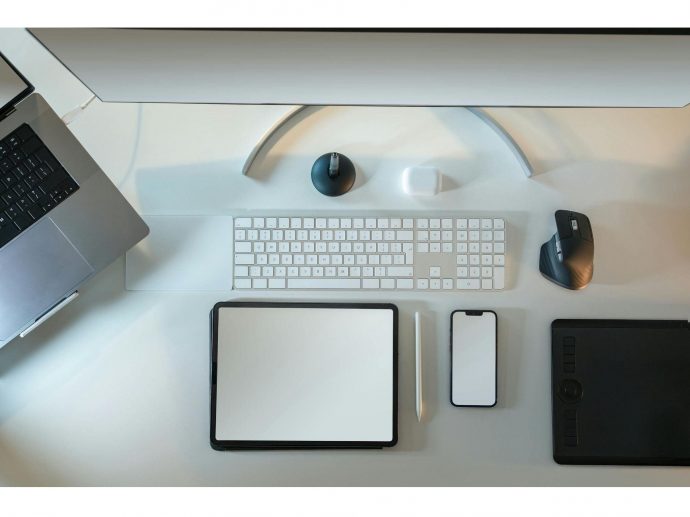
A Powerful Laptop Is the First Big Investment
If there is one device every modern student should prioritize, it is a high-quality laptop. This is the heart of student productivity. It is the place where essays are written, slides are created, research is organized, and classes are attended. A premium laptop can serve as a library, office, and classroom all in one. It should be powerful enough to take full advantage of all study tools required for a comfortable learning experience.
The best student laptops usually combine speed, portability, and long battery life. Students need something light enough to carry around campus but powerful enough to handle multitasking. Opening twenty browser tabs, running Zoom, editing spreadsheets, and writing a report should not feel like climbing a mountain.
A sharp display also matters more than many students realize. Reading articles for hours on a dim or blurry screen can be exhausting. A bright, high-resolution display makes work more comfortable and keeps students focused longer. A good keyboard is equally important. After all, students spend a large part of their lives typing.
What to Look for in a Premium Student Laptop
A great student laptop should have at least these qualities: fast performance, solid battery life, a comfortable keyboard, enough storage, and a lightweight design. Students in design, engineering, or media fields may also need stronger graphics performance and more memory.
Durability is another key factor. A student device travels everywhere. It gets packed into backpacks, placed on crowded desks, and used for long hours every day. A high-end laptop is often built better, which means it may last much longer than a budget model.
Why It Pays Off Over Time
A premium laptop may cost more in the beginning, but it often saves money later. Why? Because it lasts longer and performs better for years. That means fewer repairs, fewer annoying delays, and less pressure to replace it quickly. In a way, it is like buying good shoes. You pay more once, but you walk comfortably for a long time.
A Tablet with Stylus Can Transform the Way You Study
A laptop is essential, but a tablet can be a game changer. For many students, a tablet with a stylus creates the perfect bridge between traditional note-taking and digital organization. It brings together the best of both worlds.
Writing notes by hand can help memory and understanding. At the same time, digital notes are easier to organize, search, and share. A high-end tablet lets students do both. You can write directly on lecture slides, draw diagrams, highlight readings, and keep everything in one place. No more carrying five notebooks and still losing the one page you really need.
This is especially useful for students who study subjects like biology, architecture, economics, or mathematics. Sometimes typing is simply not enough. Equations, sketches, and visual ideas are easier to capture with a pen-like tool.
Tablets are also excellent for reading e-books, watching recorded lectures, and reviewing documents on the go. On days when carrying a full laptop feels heavy, a slim tablet can be a perfect alternative.
Noise-Canceling Headphones Help You Protect Your Focus
Focus is one of the most valuable things a student has. Sadly, it is also one of the easiest things to lose. Dorm noise, public transport, loud cafés, and chatty roommates can break concentration in seconds. That is why high-end noise-canceling headphones are not just a luxury. For many students, they are a survival tool.
Good headphones create a personal study zone, even in a noisy world. They reduce distractions and help students enter deep work mode. That matters because focused study is often much more effective than long, distracted study sessions.
There is also a mental benefit. Putting on headphones can become a signal to the brain: now it is time to work. Like a runner tying their shoes before a race, the action prepares you for performance.
High-end models also offer better sound quality and comfort. This matters during long online lectures, language practice, or study sessions that last for hours. Cheap headphones often hurt the ears, sound harsh, or stop working too soon. Premium options usually feel better and last longer.
Some students even use them during relaxation time. Listening to calm music after a stressful day can help reset the mind and reduce pressure.
A Premium Smartphone Is More Useful Than Ever
Students already own smartphones, but not all phones offer the same value. A high-end smartphone is more than a social media device. It is a planner, scanner, camera, communication hub, and emergency backup tool.
Modern students use phones to check timetables, join study groups, scan documents, photograph whiteboards, record lectures when allowed, manage tasks, and respond to urgent messages. In many cases, the phone becomes the one device always within reach. That makes its quality very important.
A better camera helps with more than personal photos. Students often need to scan handwritten notes, capture textbook pages, or record project progress. A strong battery is equally important. Nobody wants their phone to die halfway through a long day on campus.
Premium smartphones also tend to offer better security, smoother performance, and longer software support. This is valuable for students who store private emails, banking apps, personal documents, and academic files on their devices.
Smart Accessories Complete the Modern Study Setup
The main devices get most of the attention, but smart accessories often complete the picture. They are like the final pieces of a puzzle. Without them, the setup works. With them, it works beautifully.
A portable charger is one of the most useful items a student can own. Long days on campus can drain both phone and tablet batteries quickly. A good power bank keeps you connected and prepared.
An external SSD is another excellent investment. Students deal with essays, videos, design files, and research data. Extra storage gives peace of mind and protects important work. Cloud storage helps too, but having a physical backup adds another layer of safety.
A high-quality webcam or compact microphone can also improve online classes and presentations. In a world where remote learning and hybrid study are still common, clear audio and video make communication more professional and effective.
Finally, a smart backpack with charging ports, padded compartments, and water-resistant material can protect expensive tech and make daily travel easier. It may not sound exciting, but it can be the quiet hero of student life.
Conclusion
High-end tech is not about showing off. It is about building a system that supports learning, saves time, and reduces daily stress. For modern students, the right devices can make education feel less chaotic and more manageable. A powerful laptop, a flexible tablet, noise-canceling headphones, a premium smartphone, and a few smart accessories can create a setup that works like a well-trained team.
In the end, success in school still depends on discipline, curiosity, and effort. Technology cannot replace those things. But it can strengthen them. It can clear the path, remove friction, and help students focus on what really matters: learning well, thinking clearly, and growing with confidence in a demanding world.
Comments
