Categories more
- Adventures (62)
- Arts / Collectables (14)
- Automotive (77)
- Aviation (65)
- Bath, Body, & Health (123)
- Children (6)
- Cigars / Spirits (71)
- Cuisine (66)
- Design/Architecture (22)
- Electronics (63)
- Entertainment (36)
- Event Planning (115)
- Fashion (45)
- Finance (10)
- Gifts / Misc (6)
- Home Decor (118)
- Jewelry (41)
- Pets (3)
- Philanthropy (1)
- Real Estate (16)
- Services (44)
- Sports / Golf (14)
- Vacation / Travel (85)
- Watches / Pens (33)
- Wines / Vines (34)
- Yachting / Boating (67)


Home Maintenance Tips for a Long-Lasting Roof in Chicago

Published
03/24/2026Table of Contents
- Regular Inspections
- Clean Gutters and Downspouts
- Trim Overhanging Branches
- Remove Moss and Algae
- Ensure Proper Ventilation and Insulation
- Address Repairs Promptly
- Apply Protective Coatings
- Schedule Professional Inspections
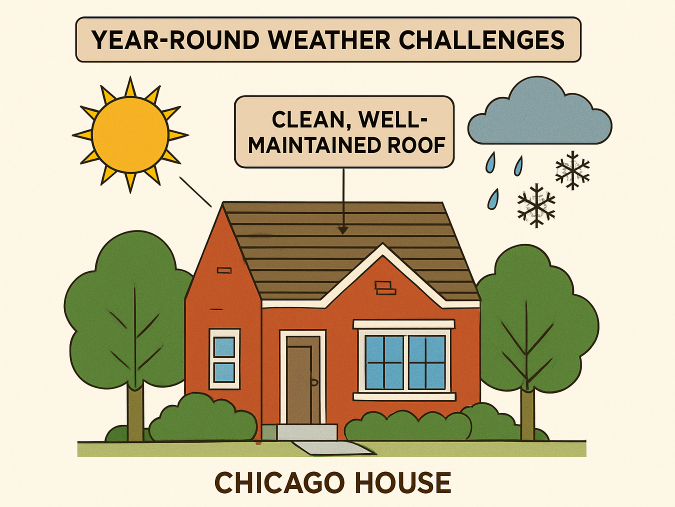
Maintaining a durable roof is critical for Chicago homeowners. The city’s oscillating weather, from hot, humid summers to icy winters, stresses roofing materials like few other places. Knowing how to care for your roof can prevent costly repairs and keep your home protected year-round. For those seeking a roofing service Chicago, applying local knowledge to your maintenance practices is essential for longevity and safety.
Chicago’s frequent freeze-thaw cycles, seasonal storms, and lake-effect snow make preventive roof care essential. This guide shares practical steps that reflect Chicago’s urban setting and climate challenges, helping you safeguard your home for decades.
Regularly inspecting your roof’s condition helps you avoid structural threats, water damage, and expensive emergency repairs. From inspections following extreme weather to managing city-specific threats like urban debris and rooftop snow, these tips will help maximize the life of your roof.
Whether you live in a Chicago bungalow, a brownstone, or a modern home, these home maintenance tips reflect the best practices for the Windy City and position your roof to withstand everything the Midwest delivers. Relying on trusted local resources for professional evaluation ensures repairs and upgrades are performed with Chicago’s climate in mind.
Regular Inspections
In Chicago, performing roof inspections twice a year, ideally in spring, after the snow melts, and in fall, before the first frost, is a must. Residents should check for cracked, curling, or missing shingles, as well as areas with sagging or signs of water damage indoors. The dramatic transition between hot, humid summers and frigid winters can speed up roof deterioration, making visual inspections vital. If you spot discoloration, damaged flashing, or granule loss on asphalt shingles, address these concerns right away to prevent interior leaks.
Clean Gutters and Downspouts
Clogged gutters are a major cause of roof damage in Chicago, especially with falling leaves in the fall and spring debris. Blocked gutters force water back under the roof’s edge, leading to rot, leaks, or ice dams once temperatures drop. Clean out all debris at least twice a year, and consider gutter guards for long-term protection. Ensuring proper downspout drainage also prevents foundation damage, a common problem in Chicago’s dense urban landscape.
Trim Overhanging Branches
City street trees and backyard shade can be assets, but overhanging limbs are risky for your roof. High winds can scrape branches across shingles or bring entire limbs down onto your home. Trimming branches back at least 10 feet from the roof ensures storms don’t provide a pathway for moisture or create access for squirrels and raccoons.
Remove Moss and Algae
Urban and lakeshore humidity feeds moss and algae, especially on shaded or north-facing rooftops in Chicago. These organisms hold moisture and accelerate decay. Safely treating your roof with moss-removal solutions and installing copper or zinc strips along the ridge can help inhibit regrowth. For homeowners not comfortable with heights, hiring a local professional is an effective, safe solution.
Ensure Proper Ventilation and Insulation
In Chicago’s unpredictable climate, proper attic ventilation and insulation are crucial for combating ice dams and preventing mold. A poorly ventilated attic traps heat and moisture, which can damage both rafters and roofing material. Make sure your attic allows for cold air to move under the roof and check insulation levels to keep your living space comfortable year-round. The U.S. Department of Energy provides comprehensive guidelines on home energy efficiency, including best practices for ventilation.
Address Repairs Promptly
Small leaks or missing shingles can quickly escalate during a Chicago downpour or snowstorm. Promptly address any signs of wear, replacing shingles and fixing damaged flashing near chimneys and vents. Ignoring small repairs invites severe problems—water can enter attics and walls, risking mold and electrical damage. For more information on addressing repairs, consult this Angi article on roof maintenance.
Apply Protective Coatings
Applying reflective or waterproof coatings to your roof adds an extra layer of defense against sunlight, UV damage, and the heavy rain common throughout Chicago’s stormy months. Consult with a roofing professional to select a coating that matches your roofing materials and meets local building codes, a key concern in the city’s historic and modern neighborhoods.
Schedule Professional Inspections
Yearly inspections by a qualified Chicago roofing contractor catch issues non-professionals might overlook. Professionals spot small tears, weak flashing, blocked vents, or subtle hail damage. Early intervention based on their recommendations helps avoid major insurance claims and keeps your home safe in the long term.
FAQ: Chicago Roof Maintenance
How often should I inspect my roof in Chicago?
At a minimum, check your roof twice a year: once after winter and again before it arrives. Additional checks after major storms are also recommended.
Can I inspect my roof myself, or should I hire a professional?
Homeowners can spot visible damage from the ground or attic, but annual professional inspections identify hidden problems and advise on local building code compliance.
What’s the biggest roof risk for homes in Chicago?
Freeze-thaw cycles and wind-blown debris cause the most roof damage, making regular maintenance and gutter care especially important in this region.
Are coatings worth it in a city climate?
Yes, coatings reflect heat, waterproof roofs, and slow material deterioration caused by prolonged sun and rain in Chicago.
Conclusion
Proactive maintenance of your Chicago home’s roof offers more than just protection—it saves money, supports your property’s value, and brings peace of mind. Following region-specific practices prepares your roof for any challenge the local climate brings. For comprehensive evaluations or repairs, partnering with a reliable, community-oriented Chicago roofing company can be invaluable.
Comments
