Categories more
- Adventures (62)
- Arts / Collectables (14)
- Automotive (77)
- Aviation (65)
- Bath, Body, & Health (123)
- Children (6)
- Cigars / Spirits (71)
- Cuisine (66)
- Design/Architecture (22)
- Electronics (63)
- Entertainment (36)
- Event Planning (115)
- Fashion (45)
- Finance (10)
- Gifts / Misc (6)
- Home Decor (118)
- Jewelry (41)
- Pets (3)
- Philanthropy (1)
- Real Estate (16)
- Services (44)
- Sports / Golf (14)
- Vacation / Travel (85)
- Watches / Pens (33)
- Wines / Vines (34)
- Yachting / Boating (67)


How a New Roof Can Transform Your Home's Energy Efficiency and Long-Term Value

Published
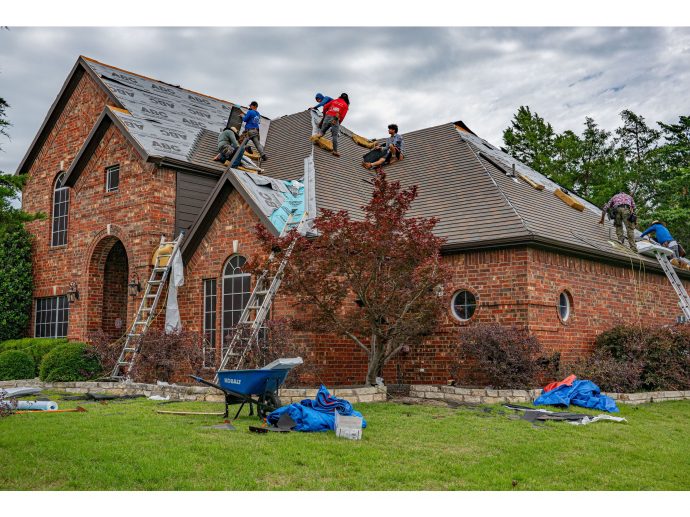
06/29/2026When homeowners think about major improvements to their property, roofing rarely tops the list of exciting renovations. Yet few upgrades deliver the same combination of practical benefits, financial returns, and environmental impact as a well-planned roofing project. From reducing monthly energy bills to boosting curb appeal and resale value, a quality roof does far more than keep the rain out. Understanding what modern roofing can offer is the first step toward making a smart, informed decision for your home.
The Connection Between Roofing and Home Energy Performance
Most homeowners underestimate how significantly their roof influences indoor temperature regulation. A roof that is aging, poorly ventilated, or constructed from materials that absorb excessive heat can force your HVAC system to work considerably harder, driving up energy consumption throughout the year. Conversely, a well-designed roofing system acts as a thermal barrier, keeping conditioned air inside during winter and blocking radiant heat during summer months.
Modern roofing materials have evolved dramatically over the past two decades. Cool roof technologies, reflective shingles, and improved insulation systems are now widely available and increasingly affordable. According to the ENERGY STAR program, energy-efficient roofing products can lower roof surface temperatures by up to 50 degrees Fahrenheit compared to conventional materials, which translates directly into reduced cooling costs and a lighter load on air conditioning systems. For homeowners in warmer climates especially, this kind of performance upgrade can generate meaningful savings over the lifespan of the roof.
Why Material Selection Matters More Than Most People Realize
Choosing the right roofing material is not simply an aesthetic decision. It is a long-term investment choice that affects durability, maintenance requirements, energy efficiency, and resale value simultaneously. Asphalt shingles remain the most popular option in North America due to their cost-effectiveness and ease of installation, but they are far from the only viable choice.
Metal roofing, for instance, has gained substantial traction among homeowners who prioritize longevity and sustainability. Metal roofs can last 40 to 70 years with minimal maintenance, compared to the 20 to 30-year lifespan typical of standard asphalt shingles. They are also highly recyclable at the end of their service life, making them an environmentally responsible choice. Tile and slate options offer similarly impressive durability, along with distinctive visual character that can elevate a home's architectural appeal considerably.
The key is matching material selection to your specific climate, budget, and long-term goals. A roofing professional can assess your home's structural capacity, local weather patterns, and energy performance objectives to recommend the materials that will deliver the best return on your investment.
The Real Financial Return on a Roofing Investment
Roofing projects consistently rank among the highest-value home improvement investments in terms of cost recoupment at resale. Industry data regularly shows that a new roof recoups a significant portion of its installation cost when a home is sold, and in competitive real estate markets, a recently replaced roof can be a decisive factor for buyers who want to avoid near-term repair costs.
Beyond resale value, the financial benefits of a quality roof extend to insurance considerations. Many homeowners find that upgrading to impact-resistant or fire-rated materials can result in reduced homeowners insurance premiums, depending on their provider and location. Additionally, federal and state tax incentives are sometimes available for energy-efficient roofing upgrades, further improving the overall financial picture for homeowners who choose qualifying products.
It is also worth factoring in the cost of inaction. Delaying necessary roofing work rarely saves money in practice. Minor issues such as small leaks, missing shingles, or deteriorating flashing tend to escalate quickly, leading to water damage, mold growth, and compromised structural integrity. Addressing roofing needs proactively is almost always less expensive than managing the downstream consequences of neglect.
Finding the Right Professionals for the Job
The quality of any roofing project depends as much on the craftsmanship of the installation as it does on the materials selected. A substandard installation can undermine even the highest-quality shingles or panels, leading to premature failure and voided manufacturer warranties. This makes the selection of a qualified roofing contractor one of the most consequential decisions in the entire process.
Homeowners should look for contractors who are licensed, insured, and willing to provide clear written estimates and warranty documentation. Checking references, reading verified reviews, and confirming membership in professional trade associations are all practical steps toward identifying reputable providers. Experienced roofers will conduct a thorough inspection before recommending any course of action, providing honest assessments rather than defaulting immediately to full replacement when repairs might be sufficient.
It is also advisable to obtain multiple quotes before committing to a project. Comparing estimates not only helps ensure competitive pricing but also provides insight into how different contractors approach the scope of work, which can reveal differences in thoroughness and professionalism that are worth weighing carefully.
Sustainable Roofing and Its Growing Role in Responsible Homeownership
Sustainability has become an increasingly important consideration for homeowners across the country, and the roofing industry has responded with a growing range of environmentally conscious options. Beyond the energy savings associated with cool roofing technologies, homeowners now have access to solar-integrated roofing systems, green roof installations, and products made from recycled or reclaimed materials.
Solar roofing in particular has moved from a niche curiosity to a mainstream consideration as panel costs have declined and installation expertise has become more widely available. Integrated solar roofing systems, which embed photovoltaic cells directly into roofing tiles, offer a streamlined aesthetic compared to traditional panel arrays mounted on top of conventional shingles. For homeowners with long-term energy independence goals, these systems represent a compelling convergence of roofing and renewable energy investment.
Green roofs, which feature living vegetation installed over a waterproofing membrane, are more commonly seen on commercial buildings but are gaining interest in residential contexts as well. They offer genuine benefits including stormwater management, improved insulation, and urban heat island mitigation, making them a thoughtful choice for environmentally motivated homeowners in appropriate climates.
Investing in a quality roof is one of the most practical and rewarding decisions a homeowner can make. It protects the structural integrity of the entire property, reduces energy costs, enhances curb appeal, and delivers strong financial returns over time. By selecting the right materials, working with skilled professionals, and staying informed about emerging technologies, homeowners can approach roofing not as an unavoidable expense but as a genuine opportunity to improve their home in meaningful and lasting ways.
Comments
