Categories more
- Adventures (17)
- Arts / Collectables (14)
- Automotive (36)
- Aviation (11)
- Bath, Body, & Health (76)
- Children (6)
- Cigars / Spirits (32)
- Cuisine (16)
- Design/Architecture (22)
- Electronics (13)
- Entertainment (4)
- Event Planning (5)
- Fashion (45)
- Finance (10)
- Gifts / Misc (6)
- Home Decor (45)
- Jewelry (41)
- Pets (3)
- Philanthropy (1)
- Real Estate (16)
- Services (23)
- Sports / Golf (14)
- Vacation / Travel (59)
- Watches / Pens (14)
- Wines / Vines (24)
- Yachting / Boating (17)



How an Adjustable Pillow Can Transform Your Sleep Quality

Published
05/04/2026I have seen a simple pillow make or break sleep quality more often than people expect. Most people blame stress or screens for bad sleep. But the real issue often starts right under your head. When your neck is not supported properly, your spine falls out of balance and your sleep suffers without you even noticing.
You might wake up tired, stiff, or with a sore neck and think it is normal. It is not. The way your pillow supports you plays a direct role in how deeply you sleep and how your body recovers overnight.
Why Your Pillow Might Be Ruining Your Sleep
A poor pillow does not always feel wrong at first. You might even get used to it. But over time, it forces your neck into unnatural angles. That is where the problem begins. I often see people sleeping on pillows that are too high or too flat for their body.
This leads to disrupted rest and tension buildup. Your muscles stay slightly engaged instead of fully relaxing. According to sleep hygiene principles, consistent physical discomfort during sleep is one of the hidden causes of poor recovery. Most people never connect their pillow to their daily fatigue, but I do.
Common signs include:
- Waking up with neck stiffness
- Shoulder tightness during the day
- Tossing and turning at night
- Feeling like sleep was “light” or broken
These are not random issues. They often point back to poor head and neck support.
What Makes an Adjustable Pillow Different
A traditional pillow gives you one fixed shape. Your body does not stay in one shape, though. That mismatch is where discomfort begins. This is why I often recommend an adjustable pillow approach instead of fixed support.
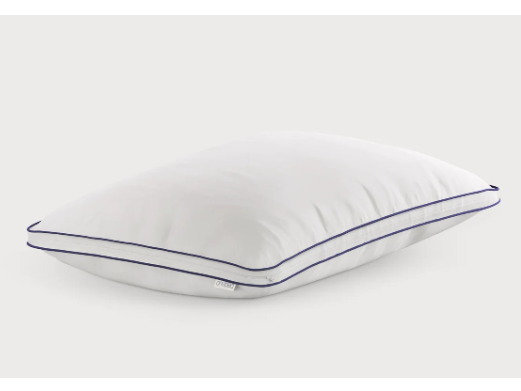
An adjustable pillow allows you to control height and firmness based on your sleep position. Instead of forcing your body to adapt, the pillow adapts to you. One example is the design used in the Onebed system, which allows users to personalize loft and support levels based on comfort needs.
Inside this system, materials like shredded foam allow small changes that create a big difference in alignment and comfort. It is not about luxury. It is about proper support where your body actually needs it.
How the Onebed Adjustable Pillow Works in Real Use
The real benefit of an adjustable pillow becomes clear when you start using it daily. I usually explain it as a simple process. You are not stuck with one setup. You experiment until your neck feels neutral and supported.
The Onebed design uses layered fill that you can add or remove. This gives you control over pillow height adjustment without replacing the entire pillow. It sounds simple, but it solves a long standing issue many people ignore.
Here is how it typically works:
- Start with a medium fill level
- Lie in your natural sleep position
- Add or remove fill gradually
- Test comfort over a few nights
This method helps you reach a balance where your head feels supported but not pushed upward. Many users describe this as the “just right” point where tension starts disappearing.
How Pillow Height Affects Your Neck and Spine
Your neck is directly connected to your spine, so even small changes in height matter. When your pillow is too high, your head tilts forward. When it is too low, your neck bends backward. Both positions create stress.
Proper spinal alignment during sleep is essential for reducing strain on muscles and joints. You can read more about alignment concepts in spinal alignment. Side sleepers usually need more height support. Back sleepers often need moderate elevation. Stomach sleeping generally requires minimal height to avoid twisting the neck.
This is where cervical support pillow design becomes important. It helps keep your neck in a neutral position instead of forcing unnatural angles for hours at a time.
Benefits You Notice After Switching to an Adjustable Pillow
Once your neck is properly supported, changes do not take long to notice. I have seen people feel improvement within a few nights. The body responds quickly when alignment improves.
A well tuned sleep support pillow can help reduce pressure points and allow muscles to fully relax. Many users report fewer wake ups and deeper rest cycles.
Some common improvements include:
- Less morning stiffness in the neck
- More consistent sleep through the night
- Reduced shoulder pressure
- Better overall sleep quality improvement
Materials also matter. Many modern designs use breathable foam structures similar to memory foam, which helps distribute weight evenly. The key benefit is not just comfort. It is recovery. Your body heals better when it is properly aligned.
Who Should Use an Adjustable Pillow
An adjustable fill pillow is not for everyone, but it helps a wide range of sleepers. I usually recommend it for people who are unsure about their ideal pillow height or who frequently change positions during the night.
It is especially useful if you are:
- A side sleeper needing more neck support
- A back sleeper trying to maintain neutral alignment
- Someone waking up with neck or shoulder discomfort
- A restless sleeper shifting positions often
The flexibility allows you to fine tune support instead of guessing what might work.
When an Adjustable Pillow May Not Be Right for You
Even though I find adjustable designs helpful, they are not perfect for every preference. Some people prefer a fixed feel with no adjustment process. Others already know exactly what pillow height works for them and do not want to experiment.
If you want a very firm or very soft consistent feel without changes, a fixed pillow may feel simpler. Also, if you dislike tweaking settings or testing comfort levels, the adjustment process may feel unnecessary.
The key is understanding your sleep style before choosing.
How to Choose the Right Pillow Height for You
Finding the right height is not instant. I usually tell people to treat it as a short adjustment phase rather than a one night fix. Your body needs time to respond.
Start with your sleep position. Side sleepers typically need higher loft. Back sleepers need medium support. Then adjust gradually instead of making large changes at once.
Pay attention to how your neck feels in the morning. That feedback tells you more than any label or recommendation. Small adjustments often lead to noticeable improvements in comfort and alignment.
Conclusion
Sleep quality rarely improves from one big change. It usually comes from small corrections that add up. Pillow support is one of those overlooked details that can quietly affect your entire rest cycle.
When your head, neck, and spine are aligned, your body relaxes more naturally. That is where real recovery happens. An adjustable design simply gives you the control to reach that point instead of guessing. Once you experience proper support, it becomes hard to go back to a one size fits all pillow.
Comments
