Categories more
- Adventures (62)
- Arts / Collectables (14)
- Automotive (77)
- Aviation (65)
- Bath, Body, & Health (123)
- Children (6)
- Cigars / Spirits (71)
- Cuisine (66)
- Design/Architecture (22)
- Electronics (63)
- Entertainment (36)
- Event Planning (115)
- Fashion (45)
- Finance (10)
- Gifts / Misc (6)
- Home Decor (118)
- Jewelry (41)
- Pets (3)
- Philanthropy (1)
- Real Estate (16)
- Services (44)
- Sports / Golf (14)
- Vacation / Travel (85)
- Watches / Pens (34)
- Wines / Vines (34)
- Yachting / Boating (67)



How Automotive Tool Organizers Make Daily Repairs Faster and Easier

Published
03/07/2026The Importance of Accessible Tools
When working on vehicles, having tools readily available makes a huge difference. Imagine needing a specific wrench and knowing exactly where it is. This isn't just about convenience; it's about efficiency. Accessible tools mean less time wasted searching and more time spent actually fixing things. Automotive tool organizers play a big role here. They keep everything in its place, so you can grab what you need without a second thought. This simple act of organization can speed up your entire process.
Think about the last time you were under a car, needing a socket. If it's buried in a pile, frustration sets in fast. Proper automotive tool organizers prevent this. They create a system where every tool has a designated spot. This makes finding the right tool quick and easy, which is a big win for any mechanic or DIYer. It's all about making your workflow smoother.
Reducing Time Spent Searching for Tools
How much time do mechanics actually spend looking for tools? It adds up, believe me. A disorganized toolbox can turn a quick job into a lengthy ordeal. Automotive tool organizers are designed to combat this exact problem. By giving each tool its own space, you eliminate the need to rummage through drawers or piles. This means you can get to the task at hand much faster.
Consider a scenario where you need a specific size of wrench. With a well-organized system, you can identify and retrieve it in seconds. Without one, you might spend minutes digging, potentially disrupting your focus. This is where the value of automotive tool organizers truly shines. They directly reduce the time spent on what's essentially wasted effort.
Enhancing Productivity Through Organization
Productivity in any workshop is directly tied to how well things are organized. When tools are easy to find and put away, the entire operation runs more smoothly. Automotive tool organizers are key to achieving this. They create a logical system that everyone can follow, making it easier to manage your workspace and your tasks.
An organized environment leads to fewer mistakes and a more efficient use of time. When you're not searching for tools, you can concentrate on the repair itself. This boost in focus and efficiency translates directly into higher productivity. Good organization is not just about tidiness; it's about maximizing your output.
Choosing the Right Automotive Tool Organizers
Selecting the correct automotive tool organizers is a big step toward a more efficient workspace. It's not just about having a place to put things; it's about making sure the right tool is always within reach when you need it. Think about the tools you use most often and the types of jobs you tackle regularly. This will help guide you toward the best storage solutions.
Understanding Different Types of Organizers
There's a wide variety of automotive tool organizers out there, each designed for different needs. You've got everything from simple drawer inserts and foam cutouts to large rolling tool chests and wall-mounted panels. Some are built for portability, like sturdy tool bags or smaller, handheld organizers, while others are designed for a permanent spot in a garage or workshop. The key is to match the organizer's design to how and where you work.
If you're comparing automotive tool organizers, it also helps to look at specialty shops like Automotive Accessories North America, which focuses on unique, high-quality automotive accessories that can better match specific garage and workshop setups.
Selecting Organizers for Specific Tool Sets
When you're picking out organizers, it's smart to think about the specific tools you need to store. A set of wrenches might fit perfectly in a dedicated rack, while a collection of delicate electronic testing equipment might need custom-cut foam to prevent damage. For common items like screwdrivers and pliers, drawer dividers can keep them from rolling around. Considering the shape, size, and fragility of your tools is key to choosing organizers that truly work.
Considering Portability and Durability
For mechanics who move between job sites or work on different vehicles around a property, portability is a major factor. A heavy, stationary toolbox won't cut it. Look for organizers with strong handles, smooth-rolling casters, and a robust construction that can handle being moved around. Durability is also important; you want something that can withstand the bumps and knocks of a busy workshop. A well-built automotive tool organizer should last for years, protecting your investment in your tools.
Maximizing Space with Smart Storage Solutions
Utilizing Drawer Inserts and Dividers
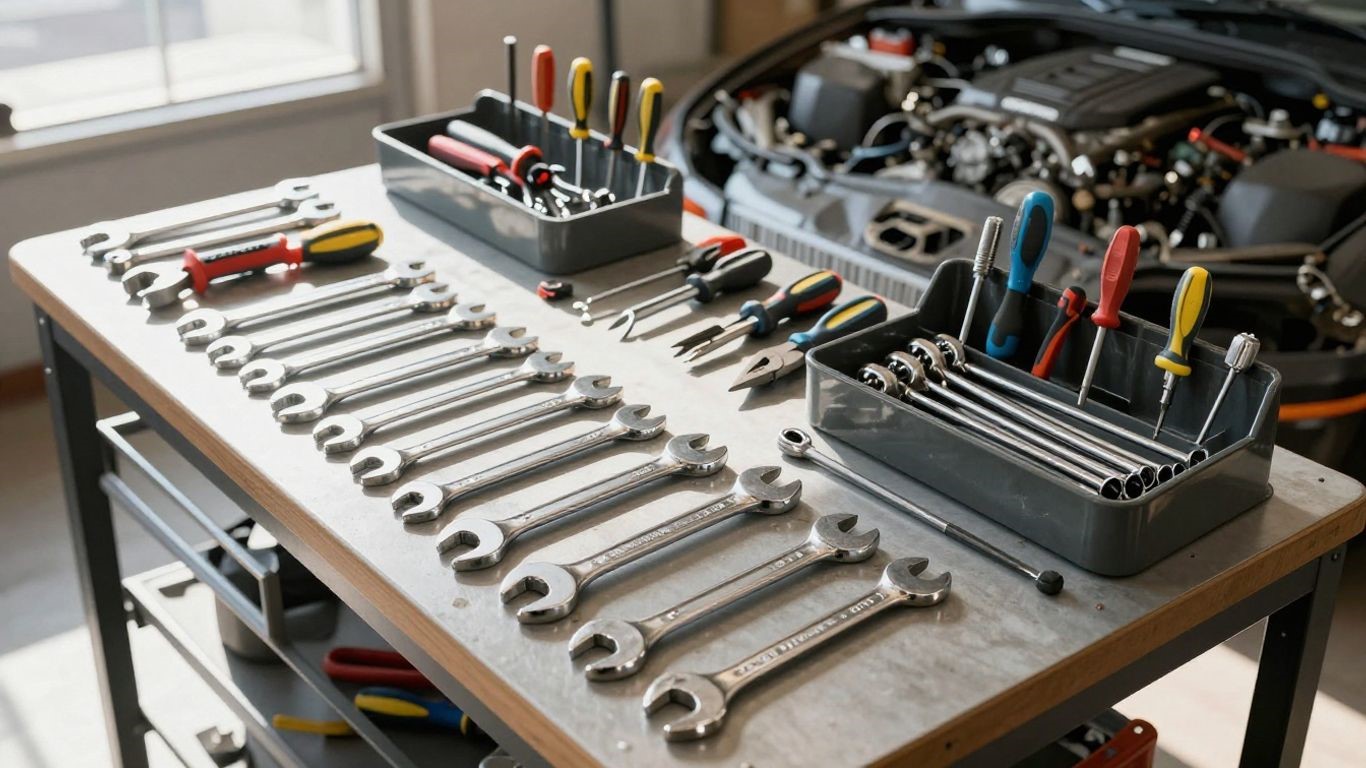
When it comes to keeping a workshop tidy, drawer inserts and dividers are a game-changer. They break up large, empty drawer spaces into smaller, manageable sections. This stops tools from sliding around and getting jumbled. Think of it like organizing socks in a dresser – dividers make everything easy to find. This approach is particularly helpful for smaller tools like sockets, wrenches, and screwdrivers. Proper use of these dividers can significantly reduce the time spent searching for the right tool, making daily repairs faster.
Drawer inserts come in various materials, from plastic to foam. Foam inserts, especially custom-cut ones, offer a snug fit for each tool. This not only keeps them organized but also protects them from damage. Dividers can be adjustable, allowing for flexibility as your tool collection changes. The key is to create a dedicated spot for every item. This systematic approach to tool organization is a core part of maximizing space effectively.
Using dividers prevents tools from migrating and creating a mess. It’s a simple yet effective way to maintain order. Without them, drawers quickly become a chaotic jumble, wasting valuable time. This is where smart storage solutions truly shine, turning cluttered drawers into efficient workspaces. Remember, the goal is to make every tool accessible with minimal effort.
Creating Custom Foam Layouts for Tools
Custom foam layouts take tool organization to the next level. By cutting precise shapes into foam, each tool gets its own perfectly fitted slot. This method is excellent for preventing tools from moving and getting damaged. It also makes it incredibly easy to see if a tool is missing at a glance. This is especially useful for expensive or specialized tools.
Planning the layout is the first step. Before cutting, arrange your tools on the foam to figure out the best placement. Consider how often you use each tool and group them accordingly. You can cut finger holes or strips to make picking up tools easier. Alternating the direction of tool handles can also save a surprising amount of space. This attention to detail in your tool organization makes a big difference.
Foam organizers are fantastic for preventing tools from rattling around and getting dinged up. They also make it super obvious when something isn't where it should be. It’s like a visual inventory check every time you open a drawer.
Leveraging Vertical Space with Panels and Racks
Don't forget about the walls! Vertical space is often underutilized in workshops. Wall panels and racks can hold a wide variety of tools, from hand tools to larger items. Pegboards are a classic example, allowing for flexible arrangement of hooks and holders. Magnetic strips are also great for metal tools like wrenches and pliers.
Using panels and racks frees up valuable workbench and drawer space. This makes the overall workshop feel larger and less cluttered. Tools stored vertically are often more visible and accessible than those buried in drawers. This is a smart storage solution that keeps frequently used items within easy reach. It contributes significantly to a more efficient workflow.
Consider different types of racks for specific tools. Wrench racks, screwdriver holders, and specialized shelves can all help. The goal is to keep tools organized and readily available. This smart storage solution helps maintain a clean and functional workspace. It’s about making every inch of your shop work for you.
Implementing Effective Tool Organization Strategies
Sorting Tools by Function and Frequency of Use
When it comes to keeping your automotive tools in order, a smart approach is to group them based on what they do and how often you reach for them. This means putting all your screwdrivers together, all your wrenches in one spot, and so on. Think about which tools you use every single day for common tasks. These should be the easiest to grab. Tools you only need for specific jobs can be stored a bit further away. This kind of sorting makes finding what you need much faster.
A well-organized toolbox isn't just about looks; it's about saving time and reducing frustration. Imagine needing a specific wrench and knowing exactly which drawer or compartment it's in. That's the power of sorting by function and frequency. It cuts down on the time spent rummaging, letting you get straight to the repair work. This strategy is a cornerstone of effective tool organization.
This method helps prevent you from grabbing the wrong tool for the job, which can save you from making mistakes or even damaging parts. By having tools logically arranged, you create a more efficient workflow. It's a simple yet powerful way to make your daily repairs smoother.
Labeling Systems for Quick Identification
Even with tools sorted, clear labels are a game-changer. Think of it like a map for your toolbox. Using a label maker or even simple handwritten tags can make a huge difference. You can label drawers, compartments, or even individual tool holders. This way, you don't have to guess where something is. Just read the label and grab the tool.
Labels are especially helpful when you have similar-looking tools or when someone else might need to find something in your setup. A good labeling system means anyone can quickly identify the right tool for the job. It’s a small step that pays off big time in efficiency. This is a key part of any good tool organization plan.
Consider labeling not just the tool type but also its size or specific function if needed. For example, "10mm Socket" or "Phillips Head Screwdriver - #2". This level of detail can save even more time. It’s about making your tools as accessible as possible.
Maintaining an Organized Workspace
An organized toolbox is great, but it's only part of the picture. The entire workspace needs attention. After using a tool, make it a habit to put it back in its designated spot immediately. This prevents clutter from building up and keeps your workspace safe. A clean bench or floor means fewer trip hazards and less chance of losing small parts.
Think of your workspace as an extension of your tool organization. If tools are left lying around, the system breaks down. Regularly tidying up, wiping down surfaces, and putting things away is vital. This consistent effort keeps your workflow smooth and your repair area functional. It’s about creating a system that works long-term.
Keeping your workspace tidy isn't just about aesthetics; it directly impacts your ability to work efficiently and safely. A clear space leads to a clear mind and fewer mistakes.
This practice also helps in identifying if any tools are missing or damaged before they are needed for the next job. It’s a proactive approach to tool management. Making this a routine part of your day will make a noticeable difference in how smoothly your repairs go.
Benefits of Organized Automotive Tool Storage
Preventing Tool Damage and Loss
When tools are just piled up, they can easily get scratched, dented, or even broken. A good automotive tool organizer keeps each item in its place. This stops tools from banging against each other during transport or just sitting around. Proper storage means your tools last longer. This also cuts down on the chances of a tool going missing. It's easy to misplace something when it's not in its designated spot. Keeping things organized helps prevent tool loss.
Improving Safety in the Workshop
A messy workspace is a hazard. Tools left lying around can cause trips and falls, leading to injuries. Spills can happen when parts or fluids aren't stored correctly. Organized automotive tool storage creates clear pathways and keeps hazardous materials contained. This makes the workshop a much safer place for everyone working there. It's not just about efficiency; it's about protecting people.
Ensuring Accurate Inventory Management
Knowing what you have and where it is makes a big difference. With organized tool storage, it's simple to see what tools are available and what might be running low. This helps with ordering replacements before they're desperately needed. It also makes it easier to track tools, especially in larger shops. Good organization supports better inventory management. This means less money wasted on unnecessary purchases and fewer delays because a needed tool isn't accounted for.
Wrapping It Up
So, when it comes down to it, getting your tools organized isn't just about making things look neat. It's about saving time and cutting down on frustration. Think about it: no more digging around for that one specific wrench or trying to remember where you put the right screwdriver. Having a good organizer means you can grab what you need and get back to the job. It makes the whole process of fixing things, big or small, a lot smoother. Plus, it just feels better when your workspace isn't a chaotic mess. Investing a little time and maybe a few bucks into a decent tool organizer can really make a difference in your day-to-day work.
Comments
