Categories more
- Adventures (17)
- Arts / Collectables (14)
- Automotive (36)
- Aviation (11)
- Bath, Body, & Health (76)
- Children (6)
- Cigars / Spirits (32)
- Cuisine (16)
- Design/Architecture (22)
- Electronics (13)
- Entertainment (4)
- Event Planning (5)
- Fashion (45)
- Finance (10)
- Gifts / Misc (6)
- Home Decor (45)
- Jewelry (41)
- Pets (3)
- Philanthropy (1)
- Real Estate (16)
- Services (23)
- Sports / Golf (14)
- Vacation / Travel (59)
- Watches / Pens (14)
- Wines / Vines (24)
- Yachting / Boating (17)


How Cash Offers Shape Home Sales

Published
04/21/2026Key Takeaways
- Nearly one-third of home sales in the United States now close as cash purchases.
- Factors such as high mortgage rates and investor interest are driving more buyers toward cash transactions.
- Sellers often favor cash offers for their speed and reliability, while buyers using financing face greater obstacles.
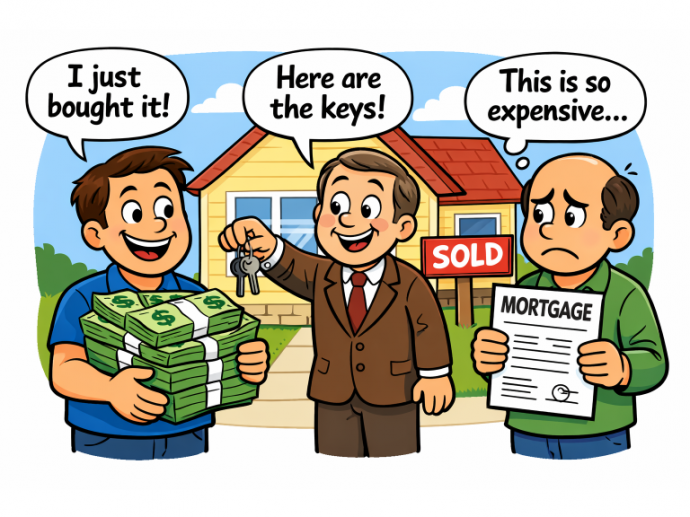
Over the past few years, the real estate landscape has shifted dramatically with the surge in cash offers. This movement is transforming how buyers and sellers approach transactions, often creating opportunities for those with liquidity and new challenges for those relying on traditional financing. Navigating the current market requires understanding why cash offers matter and what this means for both sellers and buyers. Homeowners looking to maximize their selling advantage, or buyers hoping to secure a property quickly, should take note of this ongoing trend. For those in the Palm Harbor area, a Quick Cash Offer in Palm Harbor can be a fast and flexible option if you are considering selling your home.
As cash deals become a fixture in residential real estate, sellers gain bargaining power, while financed buyers often face greater competition. The forces behind this shift are complex, including rising interest rates, increased investor activity, and changing regional market dynamics. With this context in mind, both buyers and sellers must understand how cash purchases affect the negotiation table and the overall sales process.
Amid the ongoing evolution of the housing market, those utilizing cash are often able to close sales with fewer contingencies and much less risk of the transaction falling through. The prevalence of these deals continues to climb, especially in areas with higher investor presence or competitive local economies. To explore more information about streamlined cash offers and flexible solutions, visit https://homeoptions.us/ for further reading and services tailored to homeowners' needs.
The Rise of Cash Transactions
Cash transactions have surged since the pandemic, accounting for around 33% of home purchases in the first half of 2025, according to recent CNBC reporting. This is higher than the averages recorded before 2020. The trend is especially evident in both luxury markets and more affordable neighborhoods where individuals, small investors, or institutional buyers have easy access to liquid capital. Communities experiencing strong economic growth or those popular with retirees often see even higher rates of cash purchases.
Factors Driving the Trend
Multiple aspects have led to the increasing rate of cash purchases:
- High Mortgage Rates: The Federal Reserve's ongoing rate hikes have made monthly payments more costly, encouraging wealthier individuals and investors to use cash to sidestep rising borrowing costs.
- Investor Participation: Investors, including hedge funds and real estate investment trusts, are scooping up properties with cash, seeking to expand their residential portfolios and capitalize on rental markets while avoiding financing delays.
- Equity-Rich Homeowners: Many sellers who accumulated substantial equity during the housing boom are now leveraging those funds to purchase their next home outright.
Advantages for Sellers
For those looking to sell, the presence of cash buyers in the market offers clear advantages:
- Faster Closings: A traditional home sale can take 30 to 50 days to close, mainly because of mortgage approval. By contrast, a cash sale can move from offer to closing in as little as 2 weeks, allowing sellers to move quickly.
- Lower Fall-Through Risk: Mortgage-backed deals often fall apart due to lender issues or appraisal disputes. Cash buyers eliminate much of this uncertainty, making the transaction smoother for both parties.
- Fewer Contingencies: Many cash buyers are willing to purchase “as is,” either waiving or limiting negotiations around repairs and appraisal, which can simplify and expedite the process. For more perspective, The Wall Street Journal highlights how these factors have tilted negotiations in sellers’ favor.
Challenges for Financed Buyers
On the other side, those using mortgages encounter growing hurdles when competing with cash offers:
- Heightened Competition: When multiple bids are submitted for a property, sellers often choose all-cash buyers, forcing financed buyers to increase their offers or take on more risk just to win the deal.
- Pressure to Waive Contingencies: To remain competitive, some buyers are waiving inspection or financing contingencies, which may expose them to significant financial risk if the home has hidden issues or their loan falls through.
- Longer Closing Periods: The mortgage underwriting process routinely delays closings, making an otherwise strong offer less attractive than one that can close in weeks rather than months.
Regional Variations
Cash purchase rates are far from uniform across the country. In New York City, for example, all-cash deals accounted for more than 60% of sales in the first half of 2025, driven largely by international investment and high-net-worth individuals. By contrast, midsize cities and rural markets often see lower proportions, according to The New York Times. Markets with large retiree populations, such as Florida hotspots, also consistently rank high for cash purchases.
Impact on Market Dynamics
- Pricing Pressure: With more cash buyers able to close quickly and flexibly, home prices tend to rise faster in areas with the highest demand. Competitive bidding often pushes prices above listing prices, reducing options for traditional buyers and reshaping affordability.
- Changing Buyer Pool: The rise in cash activity narrows the field of buyers to those who can afford it, making the market more exclusive and potentially out of reach for first-time buyers or young families reliant on financing.
Conclusion
The pronounced rise in cash offers is fundamentally altering how homes are bought and sold across the United States. While sellers benefit from quicker, lower-risk transactions, many traditional homebuyers face increased barriers to entry. Recognizing these patterns and preparing strategies to navigate them, whether leveraging cash advantages or bolstering a financed offer, remains essential in a changing real estate climate.
Comments
