Categories more
- Adventures (62)
- Arts / Collectables (14)
- Automotive (73)
- Aviation (11)
- Bath, Body, & Health (76)
- Children (6)
- Cigars / Spirits (71)
- Cuisine (64)
- Design/Architecture (22)
- Electronics (13)
- Entertainment (4)
- Event Planning (12)
- Fashion (45)
- Finance (10)
- Gifts / Misc (6)
- Home Decor (45)
- Jewelry (41)
- Pets (3)
- Philanthropy (1)
- Real Estate (16)
- Services (23)
- Sports / Golf (14)
- Vacation / Travel (66)
- Watches / Pens (14)
- Wines / Vines (33)
- Yachting / Boating (67)


How Climate Change Is Transforming the Everest Base Camp Trek Experience

Published
08/24/2026The Everest Base Camp Trek has long been one of the more iconic Himalayan treks, with stunning mountain scenery, a peek into Sherpa culture as it mostly exists in a time warp, and that promise—however distant—of standing below the highest point on Earth. Sadly, however, pollution is beginning to take its toll in the greater Everest region.
Local conditions on and around mountains have begun affecting trekkers as elements of climate change—rising temperatures, erratic weather patterns in the Asian monsoon belt, melting glaciers, and meteoric shifts in mountain conditions—reach parts of the wild they seldom touch. Knowing how weather alternations are changing the EBC Trek can help trekkers comprehend the significance of trekking responsibly to guard these threatened Himalayan surroundings for generations.
Forced Regime Shifts in the Context of Everest
Historically, weather had always been a key concern on the Everest Base Camp Trek, but with climate change, Himalayan weather is becoming more unpredictable as each year passes. The weather—temperature and rain and snow accumulation patterns—which once remained relatively stable over the course of a trekking season, is unstable.
This will also require an adaptation by trekkers, as they may—at high elevations—be forced to deal with heat waves or precipitation that is atypical for the time of year and location. This can affect trails and air (flights to Lukla) as well as your trekking timings. Although the Everest region is still as beautiful as ever, travelers will need to exercise more flexibility and care due to changing weather patterns in the mountains.
Himalaya: The blazing warmth and its influence
However, warming is perhaps the most glaring effect of climate change in the Everest region. Increasing temperatures are having an effect on the Far North every day; some of those include melting glaciers and snow and ultimately changing a whole ecosystem in the mountains. Lands that once had snow cover for longer periods are facing seasonal change as well.
These new patterns could bring changes to how classic landscapes and alpine paths look for trekkers on the Everest Base Camp Trek. Local communities dependent on Himalayan resources also face difficulties due to other effects of higher temperatures. The geophysics changes along with being essential for sustainable tourism trends to protect the natural splendor of the Everest area's ecosystem.
The glacial features of changing glaciers along the Everest base camp route
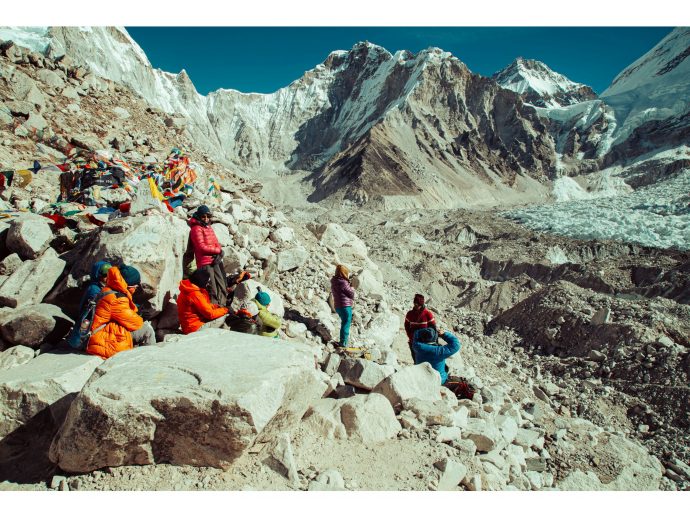
Himalayan glaciers are some of the most sensitive indicators for climate change. The Everest region is also home to some of the most important glaciers on Earth, including the Khumbu Glacier—a glacial milestone trekkers cross while making their way to Everest Base Camp. Glaciers can decrease, advance, or become unstable, and all of these variables will have an effect on trekking routes but also the wider landscape.
Even in regions for which detailed data have been used to create traditional trails, some adjustment may be necessary where temperatures are still responding to warming. The alterations act as a poignant reminder to tourists that the Himalayan ecosystem is one of change and your sights during the Everest Base Camp Trek are a fragile section of a wider natural system.
Trail Impact on Everest Base Camp Trek
- Climate, in turn, affects the status of trekking trails relative to their condition and accessibility across the Everest region. Changing weather patterns bring new complications for trail safety and management.
- Heavy rain can lead to and cause landslides, erosion, and slippery paths.
- The warmer temperatures at higher elevations affect snow and ice conditions.
- Some trekking routes need to be repaired or reviewed to provide security for travelers and local communities.
- Guides and trekking agencies are always monitoring the conditions to provide you with a safer experience.
- It is still possible to trek up to Everest Base Camp, but climate challenges lie ahead, perhaps requiring greater care by both trekkers and authorities in planning for the future.
Changing Experiences for Trekkers
Everest Base Camp Trekking Experience Climatological warming is devastating nature and altering the Everest base camp trekking experience. For decades, the landscapes and vegetation, the extent of snow cover, and views of glaciers will be different from today for travelers.
The less chilly weather may offer a more pleasant setting to stroll about in several areas, but it will also have an environmental footprint. However, the popular image of snow-covered images in the Everest region is changing slowly. As trekkers today arrive in a constantly changing Himalayan landscape, it is all the more serious that they do so with travel mindfulness and environmental consciousness.
Impact on the Sherpa people and Mountain Life
Climate trade influences hiking routes; however, the climate is likewise directly impacting the local Sherpa groups living in the Everest place. Nearby livelihoods are sustained by effective sectors together with agriculture, tourism, and herbal sources that respond to changing environmental situations.
You're skilled with information on adjustments in snow, water delivery, and weather that may disrupt mounted livelihoods on mountains. Moreover, safeguarding the surroundings is likewise about the livelihood of human beings because loads of families here continue to exist directly or indirectly because of tourism through the Everest Base Camp Trek. Sustainable tourism will assist the herbal panorama of the Himalayas and its inhabitants.
Trekking Season Special: How Climate Change is Affecting It.
The Everest Base Camp Trek has annual trekking seasons (the same as the two previous treks), affected by climate seasons that are shifting along similar timelines. The spring and fall months will continue to be the most widely used seasons for traveling, generally since they have better weather than warm or cold months (although severe degrees of climate separation—usually triggered by greenhouse contortions—are promoting a new culture).
Trekking plans during these seasons can also get hampered by sudden rain or weather changes with unexpected snowfalls. However, no matter the season, travelers might find themselves in one of the things they may have to be ready for: a more diverse set of elements. Flexibility in itineraries & the right equipment with proper updating about weather makes an expedition a successful one.
Sustainable Everest Base Camp Trekking Basics
The EVEREST region is sensitive to climate change, and hence there will be an urgency in sustainable trekking. Regardless of which kind of trekking you choose to do, there is always a way that trekkers can reduce their footprint, whether it's less waste and plastic usage or Angela explaining how you can better respect the communities that call these stunning places home and adhere to sustainable travel management practices for the greatest potential for survival.
This saves the region, and it is effective when trekkers only engage ecologically. trekking companies, booking directly from local businesses. All it takes is the easiest casual motion from thousands of these folks to make a distinction in carrying out proposed joint environmental preservation initiatives on Everest. Ecotourism can save the Himalayas for generations to come and promote a tourism model that minimizes adverse impact on such sensitive ecosystem places.
The preparations an Ideal Trekker Must make for Climate Changes
Conditions in the Himalayas—more capricious than they appeared even a handful of years ago—demand different prep. But there are ways to prepare, such as dressing in layers and packing waterproof clothing, plus remaining flexible with your travel plans. Hikers must stay updated about trail information and hearken to local guides' advice. The process of learning what problems go with the perception of altitude is not a finished endeavor, and some changes in environment are anticipated or known by us now. Trekking preparation prepares trekkers for the safe completion of an Everest Base Camp trek while respecting and acknowledging the environment/mountain and its changing factors.
Everest Base Camp Trek and its Future: An Overview
Long story short, what makes or breaks the future of Everest Base Camp Trek is how communities and travelers and the organization respond to climate change. The Himalayas will forever consider explorers and need admirers; however, now or never, we as a whole truly need to cooperate and act astutely. If strategies for more sustainable tourism, conservation, and awareness continue, the experience of trekking can be maintained well. The Everest region has been a facet of nature itself—wild, powerful, beautiful—and keeping it safe keeps it there for future generations to explore its remarkable landscapes.
Final thoughts on Climate change and trekking Everest
Climate change is starting to impact the Everest Base Camp Trek experience in the 21st century, changing weather patterns in surrounding Himalayan communities and affecting glaciers and trails. Although some epic trekking experiences are still in the world, travelers are witnesses to a fast-changing environment.
Such changes are now being recognized and promote more responsible, sustainable exploration in the Himalayan region. Without a doubt, the Everest Base Camp Trek represents an adventure in its own right as well as an opportunity to experience, appreciate, and protect one of the planet’s greatest natural environments.
Comments
