Categories more
- Adventures (62)
- Arts / Collectables (14)
- Automotive (77)
- Aviation (65)
- Bath, Body, & Health (123)
- Children (6)
- Cigars / Spirits (71)
- Cuisine (66)
- Design/Architecture (22)
- Electronics (63)
- Entertainment (36)
- Event Planning (115)
- Fashion (45)
- Finance (10)
- Gifts / Misc (6)
- Home Decor (118)
- Jewelry (41)
- Pets (3)
- Philanthropy (1)
- Real Estate (16)
- Services (44)
- Sports / Golf (14)
- Vacation / Travel (85)
- Watches / Pens (33)
- Wines / Vines (34)
- Yachting / Boating (67)



How Distinctive Fragrances Shape Personal Identity

Published
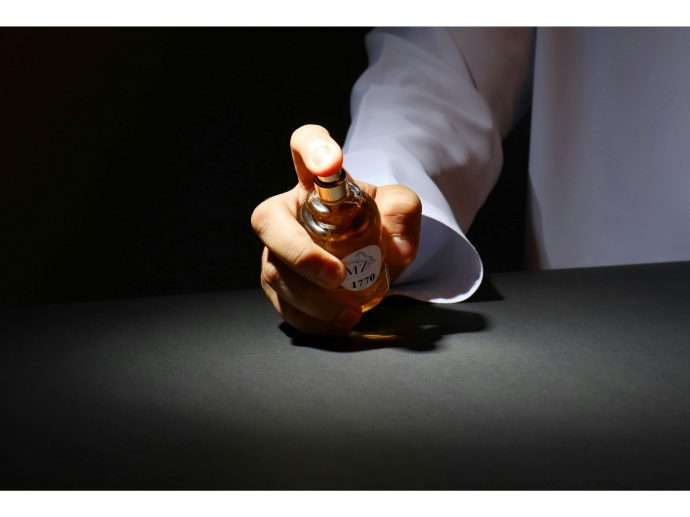
01/22/2026The unique aroma of a carefully chosen fragrance is much more than an accessory; it is an intimate expression of one’s inner world. Whether through classic or avant-garde blends, the scents we select can carry subtle cues about our tastes and the emotions we wish to evoke. Like an invisible signature, fragrance often makes the first impression we leave behind, boosting confidence or setting the tone for social and professional interactions. For many, a scent becomes interwoven with their personality, making a statement that words cannot always convey. For those who seek an elevated olfactory identity, luxury perfume brands offer a sophisticated solution, blending artistry and individuality in every bottle.
Research has demonstrated that scent plays a powerful role in memory and emotional recall. Our brains link specific aromas to strong memories, prompting us to revisit moments or relationships associated with fragrance. This phenomenon allows individuals to cultivate a distinct presence wherever they go, reinforcing identity through the sense of smell. In fact, the psychology of scent is so profound that companies and retailers often carefully design ambient fragrances to shape their brand perception and customer experience.
The Shift Towards Personalized and Niche Fragrances
A notable transformation in the fragrance industry has been a pivot from mainstream, mass-produced scents to more personalized, niche offerings. Today’s consumers are not simply seeking perfumes that smell “good,” but rather, scents that resonate with their stories and backgrounds. An increased appreciation for artisanal craftsmanship, unique ingredients, and the art of perfume-making propels this shift toward individuality. Around the world, especially in culturally rich regions, fragrance has become a tool for expressing heritage and personal narratives, redefining the meaning of luxury and identity.
Bespoke fragrance experiences are also on the rise, with high-end boutiques and ateliers offering consultations to craft customized scents. Consumers take pride in wearing perfumes that no one else has, marking a significant departure from traditional perfume marketing. According to an article in The New York Times, the demand for unique, niche fragrances is driving innovation in both scent creation and brand storytelling.
Fragrance as a Fashion Accessory
The concept of a “scent wardrobe” is reshaping how fragrance fits into personal style. Much as they carefully curate shoes or jewelry for various occasions, individuals now select different perfumes for different moods, seasons, or social settings. This dynamic approach frees perfume from the constraints of having a single signature scent and encourages exploration of diverse aromatic profiles. Fragrance houses and designers increasingly launch seasonal or limited-edition releases to complement evolving fashion trends.
Perfume is no longer an afterthought; many see it as the final touch that completes their outfit. This intentional pairing of clothes and scent helps define not just how someone is seen, but how they are experienced in a room. As reported by Vogue, the intertwining of scent and style is elevating perfume’s status from subtle accessory to an essential part of one’s fashion identity.
Technological Innovations in Personalized Fragrances
New technologies are transforming how fragrances are created and personalized. Artificial intelligence and machine learning have enabled perfumers to develop fragrances tailored to individual preferences with remarkable precision. Bayesian algorithmic perfumery, for example, uses personality profiling and advanced algorithms to predict scent preferences, resulting in customized blends that are both scientifically informed and emotionally resonant.
These innovations are making luxury and personalization accessible to a broader audience, enabling unique fragrance experiences that adapt to individual histories and sensory feedback. The integration of digital tools with traditional perfumery techniques marks a new era, one in which the relationship between scent and self is guided not only by intuition but also by data-driven insights.
Sustainability and Ethical Considerations
The increasing focus on sustainability within the fragrance industry reflects the broader societal shift towards mindful consumption. Modern consumers are asking tough questions about ingredient sourcing, manufacturing practices, and environmental impact. As brands move toward personalized production models, there’s a natural reduction in waste and overproduction, two major contributors to environmental harm in traditional perfume manufacturing.
Additionally, transparency in sourcing, cruelty-free testing, and eco-friendly packaging have become hallmarks of many leading fragrance houses. Aerre is one such example, embodying these values through a commitment to considered ingredient sourcing and a design philosophy that treats sustainability as integral rather than incidental. These values resonate with consumers who want their scent to make a statement not just about who they are, but about the world they wish to shape. Insights into these trends can be found in recent Forbes coverage, which explores how brands are aligning artistic vision with environmental responsibility.
The Future of Fragrance and Personal Identity
The convergence of personalization, sustainability, and technological innovation is setting the stage for the next evolution in fragrance. As the desire for self-expression deepens, future fragrances are expected to be even more aligned with personal values, cultural background, and emotional well-being. Beyond simply appealing to the senses, perfumes will become powerful vessels for storytelling and connection, blending tradition, science, and artistry.
Distinctive fragrances are more than just scents; they are symbols of individuality. As consumers push for customization and ethical transparency, the industry will continue to evolve, offering infinite ways for people to define and communicate their personal identity through the power of scent.
Comments
