Categories more
- Adventures (62)
- Arts / Collectables (14)
- Automotive (77)
- Aviation (65)
- Bath, Body, & Health (123)
- Children (6)
- Cigars / Spirits (71)
- Cuisine (66)
- Design/Architecture (22)
- Electronics (63)
- Entertainment (36)
- Event Planning (115)
- Fashion (45)
- Finance (10)
- Gifts / Misc (6)
- Home Decor (118)
- Jewelry (41)
- Pets (3)
- Philanthropy (1)
- Real Estate (16)
- Services (44)
- Sports / Golf (14)
- Vacation / Travel (85)
- Watches / Pens (33)
- Wines / Vines (34)
- Yachting / Boating (67)



How Film Developing Preserves Authentic Photography Memories

Published
08/24/2026In today's fast-paced digital world, everyone takes hundreds of photos on their mobile phones every day. However, film photography is a completely different experience. You need to take your time, plan your shot, and wait to see the print.
Digital filters try to mimic this look, but the real thing is still the best. In this blog, you will see how film development keeps your special moments safe.
The Real Look of Film Processing
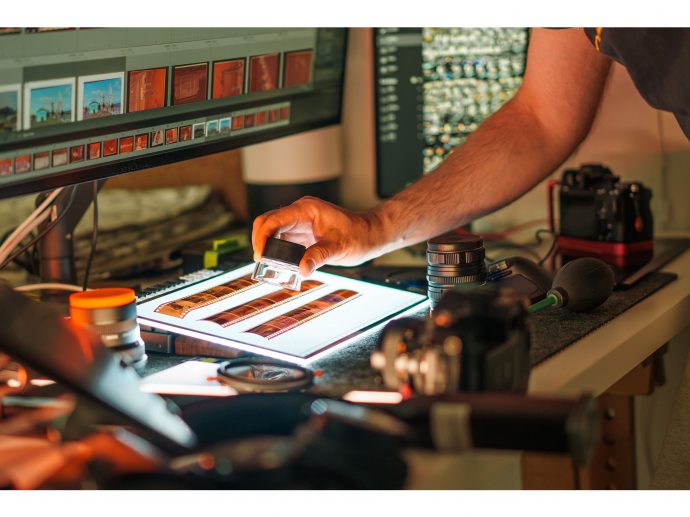
The use of film photography lends your photographs a warm and genuine appearance. Light-sensitive silver halide crystals capture the shadows and textures of the picture when light illuminates the film. Sending your film for disposable camera developing keeps your physical negatives safe with proper chemical handling.
Because of these natural nuances, every print has a genuine feel that cannot be replicated by computer filters. That genuine expression gives classic photographs their soul and provides a sense of vitality to memories that have been stored up for many years.
Turning Quick Moments into Real Keepsakes
Digital files can disappear when hard drives fail or file formats change over time. Physical film prints are tangible objects that you can hold, put in albums, and pass down. Proper chemical development locks your images onto paper so they can last for decades when stored correctly.
Sending your film for proper processing keeps your physical negatives safe with clean chemical handling. Good processing protects the colour layers so your pictures stay clear for years. Holding a real photo creates a personal connection that swiping a glass screen never matches.
Slowing Down for Better Photos
Shooting on film sets real limits that force you to take your time and pay attention. Having a set number of shots on a roll stops you from taking dozens of identical pictures. You end up pausing, framing your shot carefully, and waiting for the right moment.
Slowing down changes the way you take photos in a few clear ways:
- Careful Framing: Limited shots make you check your framing and light before pressing the shutter button
- Fun Anticipation: Waiting for your film to process makes seeing your final pictures an exciting reward
- Better Photo Collections: You end up with a small set of meaningful pictures instead of hundreds of duplicate phone files
Natural Grain and Dynamic Range
Digital noise looks messy, but natural film grain gives your pictures a soft, organic texture. Film also handles bright light and dark shadows smoothly through its physical emulsion layers.
Real film treats light and shadow naturally across every frame:
- Soft Highlights: Bright areas blend gently into middle tones without losing detail or turning stark white as easily
- Natural Texture: Organic film grain adds a touchable feel to everyday snapshots
- Deep Shadow Details: Dark areas stay clear and smooth without turning into digital artefacts
Keeping Family History Alive
Old photos work like family storybooks that connect you to past times and people you love. Flipping through a physical photo album brings back shared stories and family history in a personal way. Digital folders often sit forgotten on old laptops, but photo albums stay ready on your shelf.
Properly developed and stored prints withstand fading, keeping their original colours clear as time passes. They make sure your kids and grandkids can see your favourite stories just as you lived them.
Keep Your Best Memories Safe Today
Single-use cameras and old film rolls hold special memories that deserve better than sitting in dark drawers. Getting your film processed by trained labs gives you bright colours, clear details, and real prints you can hold.
Taking action today turns your forgotten film into real keepsakes you can share with people you love. Turn your simple film rolls into lasting family treasures that keep your favourite stories alive forever.
Comments
