Categories more
- Adventures (62)
- Arts / Collectables (14)
- Automotive (77)
- Aviation (65)
- Bath, Body, & Health (123)
- Children (6)
- Cigars / Spirits (71)
- Cuisine (66)
- Design/Architecture (22)
- Electronics (63)
- Entertainment (36)
- Event Planning (115)
- Fashion (45)
- Finance (10)
- Gifts / Misc (6)
- Home Decor (118)
- Jewelry (41)
- Pets (3)
- Philanthropy (1)
- Real Estate (16)
- Services (44)
- Sports / Golf (14)
- Vacation / Travel (85)
- Watches / Pens (33)
- Wines / Vines (34)
- Yachting / Boating (67)


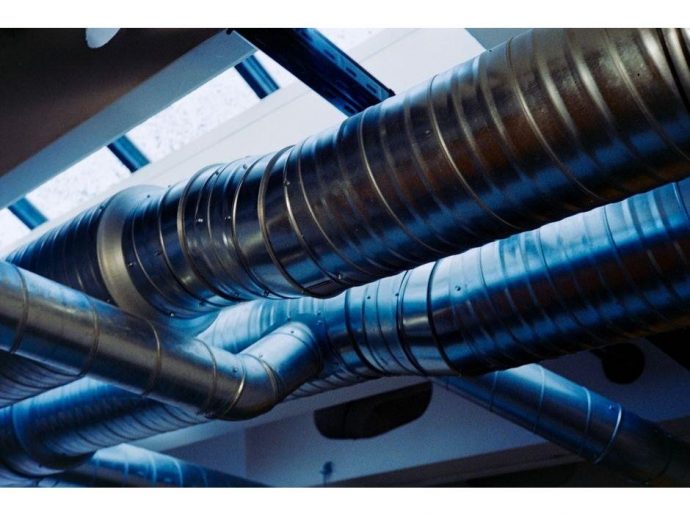
How Hidden Ductwork Shapes Comfort, Air Quality, and Luxury at Home

Published
09/15/2026Your home can have flawless stone counters, custom lighting, and furniture that looks straight out of a design showroom, yet still feel stuffy, uneven, or oddly noisy. The culprit often hides behind walls and ceilings. Ductwork rarely gets any spotlight, but it plays a major role in comfort, energy use, and how polished your living space actually feels. If you care about a home that looks refined and functions well, your air distribution system deserves a closer look.
Ductwork is part of your home’s performance, not just a mechanical extra
When you think about luxury home design, ductwork probably ranks somewhere below drawer organizers and dimmer switches. Fair enough. Still, air ducts influence how every room feels, smells, and sounds. If they are poorly designed, you may notice hot upstairs bedrooms, weak airflow in a home office, or vents that whistle like they have opinions.
Well-planned ducts help your HVAC system deliver balanced air where it is needed. That means fewer temperature swings and less strain on equipment. It also supports cleaner visual design because smart routing can reduce bulky soffits or awkward vent placement.
In practical terms, hidden infrastructure affects daily comfort more than many visible upgrades. Good design is not only about what catches your eye. It is also about what keeps your home consistently livable.
Installation quality affects efficiency, air balance, and monthly utility costs
A strong HVAC unit cannot fix bad duct design. If ducts are undersized, leaking, kinked, or routed inefficiently, your system works harder to do a weaker job. That translates into longer run times, uneven conditioning, and utility bills that feel a little rude.
This is where professional HVAC duct installation matters. Proper sizing, sealing, insulation, and layout all affect static pressure and airflow delivery. That technical side may sound dry, but the impact is easy to notice when one room feels perfect, and another feels like a different zip code.
A quality installation also reduces waste. According to the U.S. Department of Energy, leaky ducts can significantly increase heating and cooling costs. You are not just paying for air. You are paying for air to reach the right place without escaping into attics, crawl spaces, or wall cavities.
Better ducts can improve indoor air quality in ways you actually notice
Indoor air quality sounds like one of those phrases people nod at and then forget. Then allergy season arrives, dust builds up faster than expected, or a room starts smelling stale. Suddenly, air movement becomes very personal.
Duct systems affect how air circulates, how contaminants spread, and how effectively filtration works. Gaps or damaged sections can pull in dust, insulation particles, or moisture from unconditioned spaces. In humid areas, that moisture can create conditions that encourage mold growth, which is a headache no design budget wants.
Renovations and custom interiors often require a smarter duct strategy
Home upgrades often focus on aesthetics first. Open layouts, higher ceilings, large kitchen islands, and media rooms all look great, but they can change how air moves through the house. Once walls shift or room functions change, old ductwork may no longer suit the space.
For example, converting a formal dining room into a gym or creating a glass-heavy sunroom changes heating and cooling demands. The duct layout that worked before may leave the new space uncomfortable. Custom cabinetry, beam details, and ceiling treatments can also limit where ducts and vents fit.
During renovations, treating ductwork as an afterthought can lead to expensive adjustments later. A coordinated plan between your designer, builder, and HVAC professional helps preserve both comfort and visual cohesion. That is especially important in homes where every finish has been carefully selected, and every detail is expected to perform.
Signs your current duct system may be holding your home back
Not every duct problem announces itself dramatically. Many show up as low-level annoyances that you gradually accept as normal. They are not normal. They are clues.
Watch for these common signs:
- Certain rooms are consistently hotter or colder than others
- Dust builds up quickly even with regular cleaning
- Airflow from vents feels weak or inconsistent
- Utility bills keep rising without a clear reason
- You hear rattling, whistling, or booming from the vents
- The system struggles to keep up during peak summer or winter weather
If several of these sound familiar, a duct inspection is worth scheduling. The Environmental Protection Agency and ENERGY STAR both stress the importance of sealing and evaluating duct systems as part of home energy performance. Tiny flaws in hidden spaces can create oversized comfort problems.
A polished home should feel as good as it looks
Luxury is not only visual. It is sensory. A refined home should maintain steady temperatures, move air quietly, and support clean breathing without constant thermostat tinkering. If you have invested in premium finishes but still battle drafts, stale rooms, or noisy vents, the issue may be behind the scenes.
The U.S. Department of Energy notes that poorly designed or leaky duct systems can reduce heating and cooling efficiency and make it harder to maintain consistent comfort throughout a home. That makes ductwork more than a hidden mechanical detail; it is part of how well the entire space performs.
Ductwork may not be glamorous, yet it supports the atmosphere of your entire home in the most literal sense. When it is designed and installed well, your spaces feel calm, efficient, and intentional. That kind of comfort does not beg for attention. It just works.
If you are building, remodeling, or upgrading an older property, give duct design a real seat at the table. Hidden systems often decide whether a beautiful home merely photographs well or genuinely lives well.
Comments
