Categories more
- Adventures (17)
- Arts / Collectables (14)
- Automotive (36)
- Aviation (11)
- Bath, Body, & Health (76)
- Children (6)
- Cigars / Spirits (32)
- Cuisine (16)
- Design/Architecture (22)
- Electronics (13)
- Entertainment (4)
- Event Planning (5)
- Fashion (45)
- Finance (10)
- Gifts / Misc (6)
- Home Decor (45)
- Jewelry (41)
- Pets (3)
- Philanthropy (1)
- Real Estate (16)
- Services (23)
- Sports / Golf (14)
- Vacation / Travel (59)
- Watches / Pens (14)
- Wines / Vines (24)
- Yachting / Boating (17)



How Home Heating Efficiency Impacts Comfort and Cost

Published
02/24/2026Staying warm throughout the coldest months is about more than turning up your thermostat. The efficiency of your home’s heating system directly affects both comfort and heating costs. Efficient solutions are crucial not just for affordable utility bills but also for keeping your living areas consistently warm and cozy. If your current setup is underperforming, considering professional heating replacement services may be your best step toward improvement while maintaining comfort.
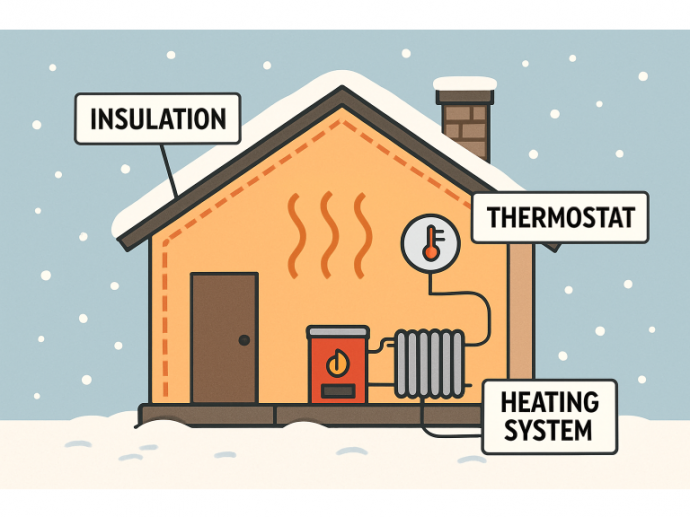
Understanding what impacts heating efficiency can lead to practical decisions that make a real difference. Factors such as insulation, the age and type of system, and regular maintenance all contribute. Homeowners who recognize these elements are well-positioned to lower expenses and enhance comfort by upgrading or fine-tuning their heating systems.
Understanding Heating Efficiency
Heating efficiency describes how well a residential heating system converts fuel or electricity into usable heat for your home. More efficient systems generate the same warmth while consuming less energy, driving down utility bills and lessening the strain on the environment. The Annual Fuel Utilization Efficiency (AFUE) rating is an industry-standard gauge that helps homeowners compare various systems. Higher AFUE percentages mean more energy is converted to heat rather than lost in the process.
Energy efficiency is central to responsible home ownership these days. Besides cost savings, it is closely tied to efforts to reduce carbon footprints. For more information on how efficient heating impacts energy consumption at home, visit resources from the U.S. Environmental Protection Agency.
Common Factors Affecting Heating Efficiency
Several elements within your home can impact heating performance and energy consumption:
- Insulation Quality: Without proper insulation, heat seeps out of the house, forcing the system to use more energy to maintain target temperatures.
- System Age: Outdated systems are rarely as efficient as contemporary models, often possessing worn-out parts or obsolete technology.
- Thermostat Settings: Inaccurate or unnecessarily high settings result in wasted energy and inconsistent room temperatures.
- Maintenance Practices: Lack of consistent upkeep allows dirt and mechanical issues to compound, steadily reducing efficiency.
Benefits of Improving Heating Efficiency
Making efficiency enhancements offers several clear benefits:
- Lower Energy Bills: Consuming less energy for the same level of comfort saves you money.
- Greater Comfort: Efficient heating delivers more reliable, consistent warmth throughout your home.
- Reduced Environmental Impact: Using less energy decreases greenhouse gas emissions and conserves natural resources.
Modern heating upgrades are not just about economics. They can increase a home's value and instantly boost everyday comfort, especially during prolonged winter cold snaps. According to a Consumer Reports guide, homeowners can save hundreds of dollars annually simply by improving heating system performance and making small upgrades to their home’s envelope.
Practical Steps to Enhance Heating Efficiency
Even simple, cost-effective actions can improve efficiency quickly:
- Seal Air Leaks: Use caulking and weatherstripping to seal gaps around doors, windows, and attics, keeping warm air inside where it belongs.
- Upgrade Insulation: Bolster insulation in attics, basements, and walls to keep your space warmer for longer. According to the Department of Energy, such upgrades can yield substantial energy savings.
- Install a Programmable Thermostat: These devices automatically adjust the temperature to your schedule, so energy is never wasted when the house is empty or when everyone is asleep.
- Routine Maintenance: Annual professional system checks and regular filter replacement help ensure optimal function and longevity.
Financial Incentives and Tax Credits
Modernizing your home heating may be more affordable than you think due to incentives and tax credits. The federal government, as well as many states, offer tax relief and rebates for energy-efficient heating installations. For example, a homeowner in Chicago cut her heating bill by half after a system upgrade and received a $1,200 tax credit, which she described as "a double win for comfort and savings." These financial perks often cover a significant portion of the initial investment and help make efficient home heating accessible for more families.
Choosing the Right Heating System
There is a variety of heating systems suitable for different climates, house sizes, and family needs, including:
- Furnaces: Powered by gas, oil, or electricity, these are the most common residential option, offering a wide range of price points and efficiencies.
- Heat Pumps: These deliver both heating and cooling and are lauded for their remarkable energy efficiency, especially in milder climates. Heat pumps can slash energy bills and maintain comfort year-round.
- Boilers: Using water to deliver radiant or hydronic heat, boilers can be very efficient, especially for larger homes or those with pre-existing radiator setups.
Consult an HVAC professional to determine the system type that best fits your home, taking into account your preferences, the size of your space, and your local climate needs.
Importance of Regular Maintenance
Routine care is essential for efficient heating and system longevity. Tasks you should not overlook include:
- Replacing Filters: Monthly or quarterly filter swaps keep air quality high and airflow steady through the ducts.
- Professional Inspections: Annual safety and efficiency checks by a certified technician can prevent breakdowns and catch emerging issues early.
- Duct Cleaning: Periodic ductwork cleaning prevents buildup that can block warm air and reduce efficiency.
Conclusion
Investing in heating efficiency brings clear rewards: lower monthly bills, elevated home comfort, and an environmentally friendly household. Whether you upgrade to the latest technology or maintain your existing system with care, the benefits quickly become apparent. Smart homeowners who understand and address the many factors of efficiency create living spaces that stay warm all winter while making the most of every energy dollar spent.
Comments
