Categories more
- Adventures (62)
- Arts / Collectables (14)
- Automotive (77)
- Aviation (65)
- Bath, Body, & Health (123)
- Children (6)
- Cigars / Spirits (71)
- Cuisine (66)
- Design/Architecture (22)
- Electronics (63)
- Entertainment (36)
- Event Planning (115)
- Fashion (45)
- Finance (10)
- Gifts / Misc (6)
- Home Decor (118)
- Jewelry (41)
- Pets (3)
- Philanthropy (1)
- Real Estate (16)
- Services (44)
- Sports / Golf (14)
- Vacation / Travel (85)
- Watches / Pens (33)
- Wines / Vines (34)
- Yachting / Boating (67)


How Interior Designers Choose Bedding for High-End Homes

Published
04/10/2026Creating a high-end bedroom is about far more than selecting beautiful furniture or investing in premium finishes. Seasoned interior designers know that bedding plays a central role in defining both the visual impact and the comfort of a space. It is often the first thing the eye is drawn to and the last thing the body experiences at the end of a long day. In luxury homes, bedding is approached with intention. Designers consider texture, fabric, color, and craftsmanship to create a layered environment that feels refined yet inviting.
This article explores how professionals make these decisions and how those same principles can be applied to elevate any bedroom.
Understanding the Foundation: Fabric Matters Most
At the core of every well-designed bed is fabric selection. Interior designers rarely treat this as an afterthought. Instead, they begin here.
High-end homes often feature natural fibers such as cotton, linen, or silk. These materials are chosen not just for their look, but for how they feel and perform over time. The goal is to create a balance between softness, breathability, and durability.
Designers typically look for:
- Long-staple cotton for a smoother, more durable finish
- Linen for a relaxed, textured aesthetic
- Sateen weaves for a subtle sheen and a softer drape
- Percale weaves for a crisp, hotel-like feel
The decision often depends on the overall design direction. A modern minimalist space may lean toward crisp percale, while a more layered, relaxed interior might favor linen.
Layering for Depth and Dimension
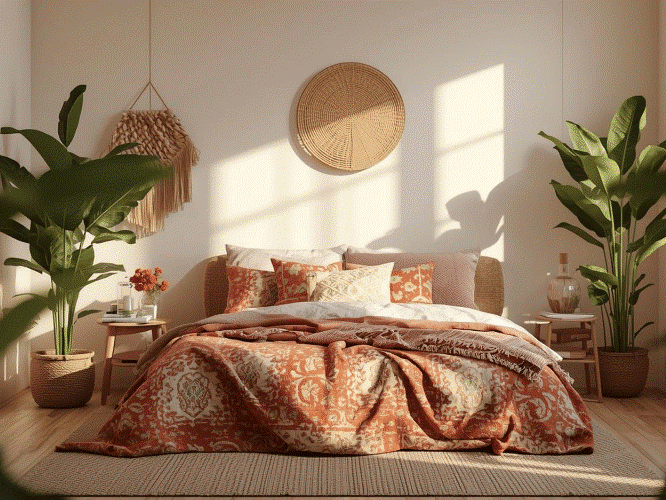
Luxury bedding is never just one element. Designers build beds in layers to create visual interest and tactile comfort.
A typical layered bed might include:
- A fitted sheet and flat sheet as the base
- A duvet or comforter for volume
- A duvet cover that ties into the room’s palette
- Accent pillows and shams for structure and personality
- A throw or blanket for added texture
Each layer serves a purpose. Some provide warmth, others add contrast, and some simply enhance the overall composition.
Designers often think in terms of depth. A flat, single-layer bed can feel unfinished, while a thoughtfully layered one invites you in. The key is restraint. Too many layers can overwhelm the space.
Color Palettes That Reflect the Space
Color selection is where bedding begins to interact with the rest of the room. Interior designers rarely choose bedding in isolation. Instead, they consider how it complements walls, flooring, and furniture.
In high-end homes, bedding color palettes tend to fall into a few categories:
- Neutral and tonal schemes for a calm, cohesive look
- Soft contrasts to add subtle interest without overpowering
- Muted accent colors that tie into artwork or decor
Bold patterns and bright colors are used sparingly. The focus is on creating a sense of harmony rather than making the bed the sole focal point.
That said, texture often replaces color as the main design feature. A monochromatic bed with varied materials can feel far more sophisticated than one relying on strong color contrasts.
The Role of Craftsmanship and Detail
Attention to detail is one of the defining characteristics of luxury design. This extends to bedding in ways that are often overlooked.
Designers pay close attention to:
- Stitching and seam quality
- Closure types on duvet covers
- The weight and drape of fabrics
- Subtle finishes like piping or embroidery
These small details contribute to the overall experience. They may not be immediately noticeable, but they influence how the bedding looks and feels over time.
Brands like Doze Bedding are often referenced in design conversations for their focus on refined materials and thoughtful construction. When designers select pieces, they are looking for consistency and reliability; bedding that maintains its appearance after repeated use.
Choosing the Right Duvet Cover as a Statement Piece
Among all bedding elements, the duvet cover often acts as the visual anchor. It’s the largest surface area on the bed and therefore carries significant design weight.
Interior designers typically select duvet covers that:
- Align with the room’s color palette
- Offer a pleasing texture or finish
- Drape naturally without stiffness
- Maintain their structure over time
For example, a sateen duvet cover can introduce a subtle sheen that elevates the entire bed without appearing overly glossy. It reflects light gently, adding dimension without distraction.
When sourcing high-quality options, many professionals turn to sateen collections from Doze Bedding for aesthetic appeal and everyday usability. Pieces like these allow designers to achieve a polished look while maintaining comfort.
Balancing Comfort With Visual Appeal
One of the biggest misconceptions about high-end bedding is that it prioritizes appearance over comfort. In reality, designers work to achieve both.
A bed should look inviting, but it also needs to function as a place of rest. This means considering factors such as:
- Temperature regulation
- Softness against the skin
- Ease of maintenance
- Durability over time
Designers often test products or rely on trusted sources to ensure the bedding performs well in daily use. A beautiful bed that feels uncomfortable quickly loses its appeal.
The most successful designs strike a balance. They create a visual statement while still delivering a restful experience.
Styling Techniques That Elevate the Final Look
Once all elements are selected, styling becomes the final step. This is where designers bring everything together.
Some common techniques include:
- Folding the duvet at the foot of the bed to reveal layers beneath
- Arranging pillows in graduated sizes for structure
- Adding a throw for contrast and softness
- Keeping symmetry for a more formal look, or breaking it slightly for a relaxed feel
Styling is often adjusted depending on the home. A formal guest bedroom may have a more structured arrangement, while a primary bedroom might feel softer and more lived-in.
The goal is to create a space that feels complete but not overly staged.
Conclusion
Choosing bedding for high-end homes is a thoughtful process that blends design principles with practical considerations. Interior designers focus on fabric quality, layering, color harmony, and craftsmanship to create spaces that feel both refined and comfortable.
For those looking to elevate their own bedrooms, the takeaway is clear: start with quality materials, build in layers, and pay attention to the details.
Comments
