Categories more
- Adventures (62)
- Arts / Collectables (14)
- Automotive (77)
- Aviation (59)
- Bath, Body, & Health (123)
- Children (6)
- Cigars / Spirits (71)
- Cuisine (64)
- Design/Architecture (22)
- Electronics (63)
- Entertainment (15)
- Event Planning (36)
- Fashion (45)
- Finance (10)
- Gifts / Misc (6)
- Home Decor (45)
- Jewelry (41)
- Pets (3)
- Philanthropy (1)
- Real Estate (16)
- Services (23)
- Sports / Golf (14)
- Vacation / Travel (69)
- Watches / Pens (14)
- Wines / Vines (33)
- Yachting / Boating (67)


How Luxury Commercial Spaces Are Redefining Modern Customer Experience

Published
05/11/2026Luxury today extends far beyond private residences, designer fashion, and five-star travel. Increasingly, some of the most influential luxury experiences are being shaped inside commercial environments. Hotels, retail spaces, restaurants, wellness centers, private clubs, and mixed-use developments are no longer designed purely for function. They are carefully curated environments intended to influence perception, emotion, comfort, and long-term brand identity.
This shift reflects broader changes in consumer expectations. Modern customers are more visually aware, more experience-driven, and more sensitive to design quality than previous generations. They notice lighting, acoustics, material finishes, spatial flow, exterior presentation, and even how spaces make them feel emotionally. In luxury markets especially, architecture and construction quality have become inseparable from brand reputation itself. As a result, commercial construction is evolving into a far more specialized field where craftsmanship, precision, and experiential design carry significant weight.
Luxury Is No Longer Defined Only by Products
For decades, luxury branding focused heavily on products. A designer handbag, luxury watch, or high-end vehicle represented exclusivity primarily through ownership. Today, however, physical environments have become equally important.
Consumers increasingly associate luxury with atmosphere and experience rather than ownership alone. The architecture of a boutique hotel, the texture of a restaurant interior, or the calm flow of a wellness retreat often shapes perception more powerfully than marketing campaigns.
This has influenced how businesses approach development projects. Rather than prioritizing simple efficiency, developers and operators are investing heavily in spaces that create emotional responses. Warm materials, natural lighting, architectural openness, seamless indoor-outdoor transitions, and thoughtful spatial planning all contribute to how people perceive value. Luxury commercial environments are now expected to feel intentional rather than merely expensive.
The Growing Importance of Construction Quality
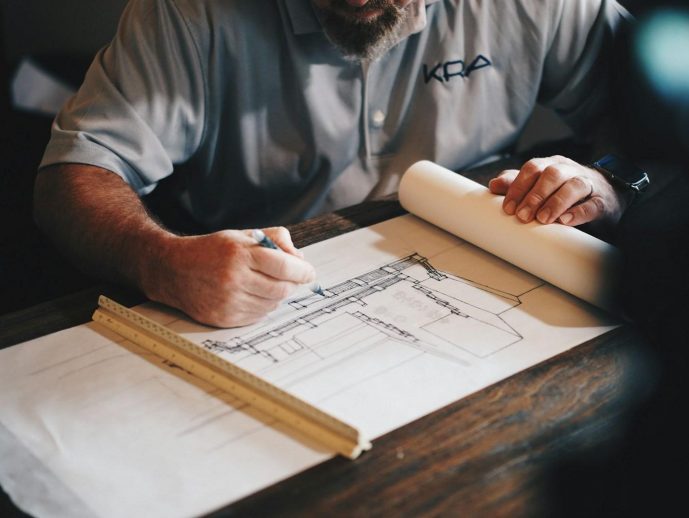
As expectations around commercial environments continue evolving, developers are placing greater emphasis on craftsmanship, long-term durability, and construction quality that customers can immediately feel when they enter a space. In luxury hospitality, retail, and mixed-use projects, details like material consistency, structural precision, lighting integration, and spatial flow all contribute to the overall experience. Because of this, many developers evaluating commercial construction services now look beyond basic project delivery and focus more heavily on execution standards, coordination efficiency, and the ability to translate architectural vision into a polished, high-end environment that feels cohesive from the exterior facade to the smallest interior detail.
Experience-Driven Design Is Changing Commercial Architecture
Modern luxury spaces are designed to influence behavior. Hotels want guests to linger in lounges. Retail stores aim to encourage exploration. Restaurants seek intimacy and comfort. Wellness spaces prioritize calm and sensory balance. Achieving these goals requires a deeper understanding of how architecture shapes experience.
Designers increasingly integrate hospitality principles into commercial environments across industries. Offices incorporate lounge-inspired layouts. Retail environments resemble art galleries. Residential-style warmth appears inside hospitality venues and corporate spaces alike. The result is a blending of architecture, psychology, and brand strategy.
Spatial flow has become particularly important. Customers expect environments to feel intuitive rather than overwhelming. Crowded layouts, harsh lighting, and visually chaotic interiors are increasingly viewed as outdated within luxury markets. Instead, premium environments now emphasize openness, clarity, texture, and sensory comfort.
Sustainability Has Become Part of Modern Luxury
Environmental responsibility is no longer separate from luxury development. In many cases, sustainability itself has become a marker of quality and sophistication. Consumers increasingly associate responsible construction practices with long-term thinking, operational excellence, and premium standards. Sustainable materials, energy-efficient systems, adaptive design strategies, and environmentally conscious sourcing are becoming central parts of commercial development conversations.
Importantly, sustainability today is often integrated subtly into luxury environments rather than presented as a standalone feature. Efficient climate systems, durable materials, natural ventilation, and low-impact construction practices are expected to coexist with visual refinement.
This integration reflects changing definitions of prestige. Modern luxury increasingly values intelligence, restraint, longevity, and environmental awareness rather than excess alone.
Commercial Design and Urban Identity
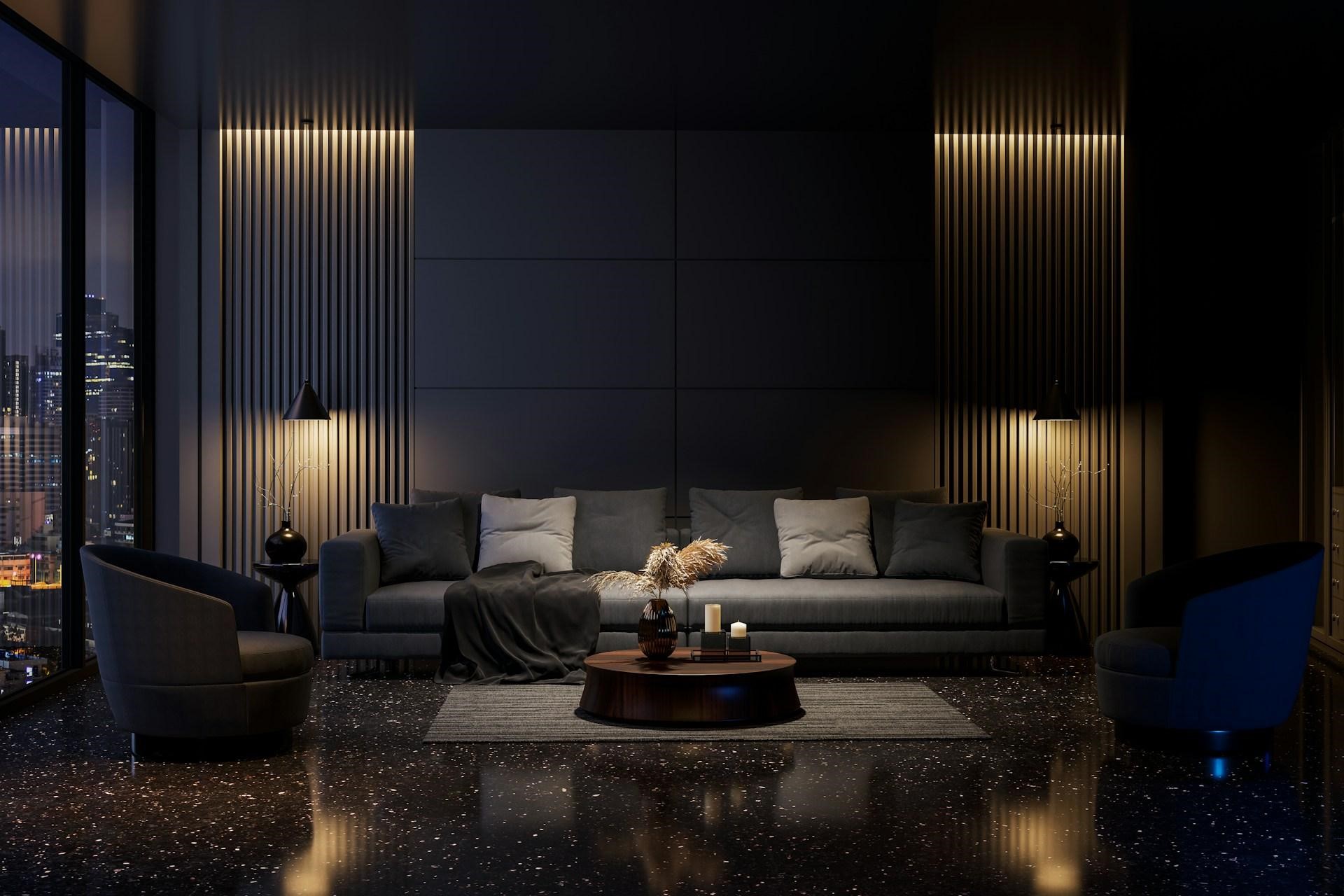
Luxury commercial development also plays a growing role in shaping city identity. Certain neighborhoods become associated with particular aesthetics, architectural styles, or lifestyle experiences.
Upscale hospitality districts, luxury retail corridors, and mixed-use lifestyle developments often influence tourism, local business growth, and even long-term property values. Architecture becomes part of how cities market themselves globally.
Cities competing for investment and tourism increasingly understand the importance of experiential commercial design. Well-designed developments create stronger public engagement, improve walkability, and contribute to cultural identity in ways that extend beyond economics. As a result, luxury commercial construction now influences broader urban development strategies as well.
Building Standards and Long-Term Performance
Organizations connected to sustainable building and operational efficiency continue emphasizing the importance of resilient construction standards across modern commercial development.
The U.S. Green Building Council has highlighted how thoughtful building practices contribute to long-term energy efficiency, occupant wellness, operational performance, and environmental responsibility. Industry guidance increasingly focuses on balancing aesthetics, durability, sustainability, and lifecycle value within modern commercial spaces.
The organization also notes that high-performance buildings increasingly prioritize indoor environmental quality, efficient material usage, and adaptable long-term infrastructure capable of supporting evolving occupant needs. These broader trends reinforce how modern luxury construction increasingly values long-term performance and responsible design alongside visual sophistication.
The Future of Luxury Commercial Spaces
The future of luxury commercial development will likely become even more experience-centered. Technology, sustainability, wellness, and personalization are expected to continue influencing how premium environments are designed and constructed.
Consumers are becoming more selective about where they spend time, not simply where they spend money. Businesses that create memorable, emotionally engaging environments are increasingly positioned to stand out in competitive markets.
This means commercial spaces must function on multiple levels simultaneously. They must operate efficiently, support long-term durability, reflect brand identity, and create meaningful customer experiences. Luxury today is no longer confined to products displayed inside a space. Increasingly, the space itself has become the experience.
Comments
