Categories more
- Adventures (62)
- Arts / Collectables (14)
- Automotive (77)
- Aviation (65)
- Bath, Body, & Health (123)
- Children (6)
- Cigars / Spirits (71)
- Cuisine (66)
- Design/Architecture (22)
- Electronics (63)
- Entertainment (36)
- Event Planning (115)
- Fashion (45)
- Finance (10)
- Gifts / Misc (6)
- Home Decor (118)
- Jewelry (41)
- Pets (3)
- Philanthropy (1)
- Real Estate (16)
- Services (44)
- Sports / Golf (14)
- Vacation / Travel (85)
- Watches / Pens (33)
- Wines / Vines (34)
- Yachting / Boating (67)



How Luxury Hotels Are Using Key Card Door Entry Systems to Redefine the Guest Experience

Published
08/05/2026Luxury hotels have always competed on exceptional service, elegant design, and unforgettable experiences. Today, however, guests expect more than beautiful interiors and five-star amenities. They also want seamless check-ins, effortless room access, personalized service, and confidence that their privacy is protected. According to the American Hotel & Lodging Association (AHLA), travelers increasingly prioritize safety, convenience, and contactless experiences when choosing accommodation. At the same time, Fortune Business Insights estimates that the global smart hospitality market will grow from more than $18 billion in 2024 to over $58 billion by 2032, highlighting how rapidly hotels are investing in connected technologies.
Today's luxury traveler expects every part of their stay to feel effortless, from online reservations to room access and personalized services. As a result, luxury hotels are investing heavily in digital infrastructure that connects property management software, guest services, security, and key card door entry systems into one intelligent ecosystem. Rather than operating disconnected technologies, hotels are creating integrated environments where guest access, staff coordination, and building security work together. Platforms such as Coram demonstrate how modern hospitality security can strengthen hotel operations without requiring properties to replace their existing IP cameras. Coram combines AI-powered video surveillance with access control, intelligent real-time alerts, centralized cloud management, and rapid video search, helping hotels verify access events, detect unauthorized entry, protect VIP suites, and manage security across one or multiple properties from a single dashboard.
Why Luxury Hotels Are Investing in Digital Infrastructure
Digital infrastructure is becoming one of the defining characteristics of modern luxury hospitality. While exceptional customer service remains essential, hotels are realizing that the guest experience begins long before visitors walk through the lobby doors.
Today's travelers expect to book rooms online, complete pre-arrival registration, receive instant confirmations, request amenities through mobile applications, and enjoy faster check-ins. Delivering this level of convenience requires systems that communicate with one another instead of operating independently.
Digital infrastructure allows hotels to connect reservations, guest profiles, housekeeping, maintenance, concierge services, payment systems, access control, and security monitoring into one coordinated platform. This improves efficiency across departments while reducing manual work and minimizing service delays.
For hotel management, the benefits extend beyond convenience. Connected systems provide better operational visibility, stronger cybersecurity, easier compliance, centralized management for multiple locations, and more accurate reporting. As luxury brands continue expanding globally, scalable digital infrastructure is becoming a necessity rather than a luxury.
The Growing Importance of Key Card Door Entry Systems
Guest room access has evolved significantly over the past decade.
Traditional metal keys created numerous operational challenges. Lost keys required expensive lock replacements, duplicate keys created security concerns, and staff had limited visibility into access events.
Modern card access systems solve these problems while creating a far more refined guest experience.
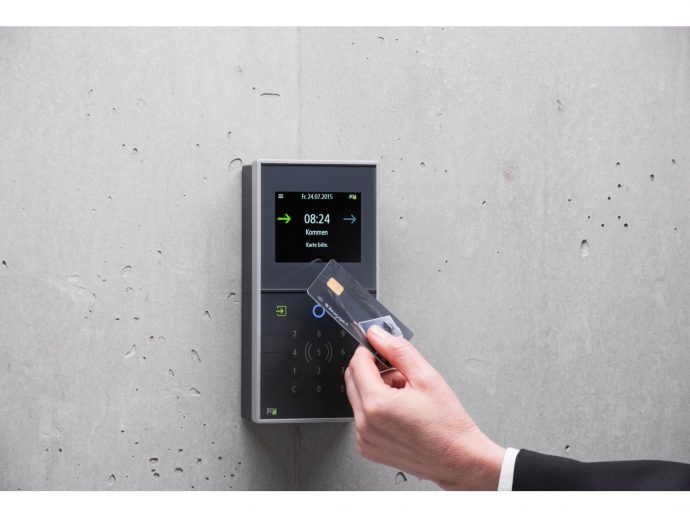
Room credentials can be activated within seconds during check-in. If a card is misplaced, hotel staff can immediately deactivate it and issue a replacement without changing physical locks. Temporary credentials can also be created for housekeeping, maintenance teams, contractors, or event organizers, with access limited to specific rooms and scheduled time periods.
These capabilities improve both security and operational efficiency without affecting guest comfort.
Creating a Frictionless Arrival Experience
The arrival experience shapes a guest's first impression of a hotel.
Luxury hotels are increasingly removing unnecessary waiting times through digital check-in processes. Guests can upload identification, verify payment information, and complete registration before arriving at the property.
When they reach the hotel, reception staff simply verify the reservation, activate room credentials, and welcome guests personally instead of spending valuable time on paperwork.
Some premium hotels have also introduced mobile room credentials alongside physical key cards, giving guests greater flexibility while reducing congestion at the reception desk during busy periods.
The result is an arrival experience that feels smooth, efficient, and distinctly premium.
Enhancing Privacy for Premium Guests
Privacy has become one of the strongest selling points in luxury hospitality.
Business executives, celebrities, diplomats, and high-profile travelers often choose hotels based on their ability to provide discretion and secure access.
Modern access technology allows hotels to restrict entry to executive floors, private lounges, wellness facilities, penthouse suites, conference rooms, and staff-only areas. Only authorized guests and employees can enter designated spaces, reducing unnecessary traffic and improving overall security.
This level of controlled access creates an environment where guests can relax without worrying about unauthorized visitors or overcrowded premium facilities.
Personalization Starts Behind the Scenes
Luxury hospitality is increasingly driven by personalization, and digital infrastructure makes this possible.
Connected hotel systems allow guest preferences to follow them throughout their stay. Returning visitors may automatically receive preferred room types, customized welcome amenities, favorite dining recommendations, or faster check-in experiences.
Room occupancy data can notify housekeeping when guests leave, allowing rooms to be serviced without unnecessary interruptions. Maintenance teams receive updates more efficiently, while concierge staff can respond to guest requests with better context.
The technology itself remains largely invisible, allowing guests to simply enjoy a more thoughtful and personalized experience.
Smarter Security Through Connected Systems
Modern hotel security is no longer limited to surveillance cameras or security guards stationed at entrances. Luxury properties are increasingly adopting integrated security platforms that combine video monitoring, access control, environmental sensors, and intelligent analytics into one centralized system.
When key card door entry systems operate alongside AI-powered video surveillance, hotel security teams can verify access events immediately instead of reviewing hours of footage after an incident occurs. If someone attempts to enter a restricted area using unauthorized credentials or accesses a VIP suite outside approved hours, security personnel can receive real-time alerts and respond much more quickly.
Rather than making hotels feel heavily monitored, these systems quietly strengthen security behind the scenes while allowing guests to enjoy a comfortable and uninterrupted stay.
Preparing for the Next Generation of Hospitality
Digital transformation is continuing to reshape the hospitality industry.
Artificial intelligence, cloud platforms, Internet of Things devices, predictive maintenance, and intelligent automation are becoming standard components of premium hotels worldwide.
Future innovations may include biometric authentication, digital room credentials stored in smartphones, AI-powered concierge services, occupancy-based energy management, and predictive guest services based on travel preferences.
Hotels that invest in flexible digital infrastructure today will be better positioned to adopt these technologies without major operational disruptions.
Technology Should Support Hospitality, Not Replace It
The purpose of technology in luxury hotels is not to replace exceptional service. Instead, it removes routine administrative tasks so hotel employees can focus on creating memorable guest experiences.
When check-ins become faster, room access becomes simpler, security becomes smarter, and operations become more efficient, staff have more time to deliver the personal attention that defines luxury hospitality.
The most successful hotels will continue blending advanced technology with genuine human service, creating experiences that feel both innovative and warmly personal.
Frequently Asked Questions
Why are luxury hotels investing in digital infrastructure?
Luxury hotels are investing in digital infrastructure to improve operational efficiency, strengthen security, personalize guest experiences, reduce waiting times, and connect multiple hotel systems into one centralized platform.
How do key card door entry systems improve hotel operations?
They simplify guest check-in, allow instant credential management, restrict access to authorized areas, improve staff access control, reduce lock replacement costs, and provide better visibility into building access.
Are key card systems safer than traditional room keys?
Yes. Lost or stolen cards can be deactivated immediately without replacing locks. Hotels can also control access permissions for guests, employees, contractors, and service providers while maintaining detailed access records.
Why is connected security becoming important in luxury hotels?
Connected security combines access control, AI-powered video surveillance, and intelligent alerts to help hotel teams respond faster to incidents, protect guests, secure restricted areas, and improve operational oversight across multiple properties.
Conclusion
Luxury hospitality is no longer defined solely by elegant architecture or exceptional dining. Increasingly, it is measured by how seamlessly every part of the guest journey comes together. Investments in digital infrastructure, integrated operations, and key card door entry systems are enabling hotels to deliver faster arrivals, stronger privacy, smarter security, and more personalized service without compromising the warmth of traditional hospitality.
As guest expectations continue to evolve, luxury hotels that embrace connected technologies while keeping people at the center of the experience will be best positioned to deliver the effortless, secure, and memorable stays that modern travelers expect.
Comments
