


Key Takeaways
- Advanced fabrics and integrated technology deliver superior, long-lasting protection for boats.
- Custom-fit covers outperform universal covers in safeguarding every contour of a vessel.
- Routine maintenance of covers amplifies their effectiveness and extends a boat’s lifespan.
Ensuring your boat receives optimal protection from weather, UV radiation, and environmental hazards is fundamental for extending its lifespan and maintaining peak performance. As boat owners across the country seek new ways to safeguard their vessels, the evolution of protective gear has accelerated. Innovative solutions, such as boat covers Grove, OK, are leading the way, offering durability, convenience, and peace of mind for watercraft enthusiasts.
Modern boat covers are no longer limited to simple tarpaulins. Today’s options incorporate technological advancements and smart materials that actively defend against corrosion, moisture, and fading. This new generation of covers not only supports vessel longevity but also adds significant value to the boating experience for owners who demand reliability.
Advanced Materials and Smart Fabrics
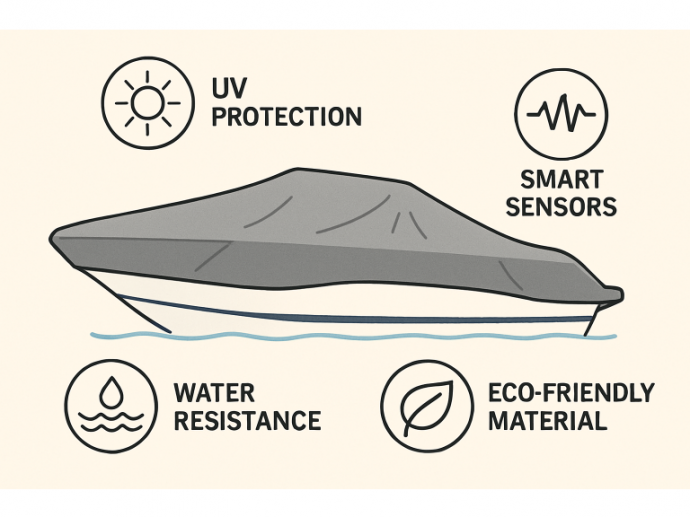
The past decade has seen remarkable progress in the fabric and design of boat covers. Modern covers often use nanotechnology-coated materials that form a barrier against stains, dirt, and water while remaining breathable to prevent moisture accumulation. Innovative boat covers often incorporate UV-resistant filaments and coatings, dramatically reducing the risk of sun damage and color fading.
Some cutting-edge models even embed UV sensors within the fabric. These sensors alert owners to hazardous sunlight exposure, signaling when additional protective steps are necessary. This enhanced technology enables consistent monitoring of boat conditions while minimizing manual checks and labor.
Eco-Friendly and Sustainable Options
Growing environmental awareness in the marine industry has spurred the development of eco-friendly boat covers. Manufacturers are investing in recycled materials, like polyester derived from post-consumer products, and bio-based plasticizers that keep covers pliable without introducing harmful chemicals. Lines of marine canvas made from 100 percent recycled materials are now on the market, targeting boaters passionate about sustainability. These choices offer comparable or superior resilience to their traditional counterparts, providing a practical way to reduce the environmental footprint of boating.
Custom Fit vs. Universal Covers
Choosing between a universal and a custom-fit boat cover is a significant decision. Universal covers, while cost-effective and readily available, can leave boats vulnerable due to their generic patterns. They may flap in strong winds, allow water pooling, and expose hull and deck areas to abrasion. In contrast, a custom-fit cover is manufactured to the exact dimensions of the boat. This precise fit stops the cover from shifting, shields every curve and crevice, and helps prevent premature wear on sensitive surfaces. Industry studies have shown that boats protected with custom-fit covers can remain in top condition for several years longer than those protected with universal covers.
Integration of Technology
The integration of smart features has transformed boat covers from passive protectors into interactive, security-enhancing solutions. Options now available on the market include built-in water pooling sensors, thermal monitors that detect dangerous temperature spikes, and alarms that respond to unauthorized attempts to remove the device. Certain covers can notify owners instantly via a smartphone app in the event of a breach or developing issue, enabling prompt threat response, whether on land or offshore. This kind of intelligent alert system is especially attractive for vessel owners who travel frequently or store their boats in remote marinas, giving them additional control and reassurance.
Maintenance and Care
To maximize the benefits of modern boat covers, regular maintenance is essential. Gently washing covers with a soft brush and mild detergent will remove salt, dirt, and other pollutants that may degrade fabrics. Spot treatment for stubborn stains should avoid aggressive chemicals to preserve the integrity of protective coatings. When not in use, boat covers should be air-dried and properly folded before storage to minimize the risk of mold and mildew. Applying occasional fabric guard sprays can further reinforce water resistance and UV protection over time.
Market Trends and Consumer Preferences
Market research reveals a growing shift towards lighter, more weather-resistant, and environmentally conscious materials for boat covers. Leading brands now offer tailored-fitting technologies that reduce setup time and increase wind resistance, while the inclusion of green materials is winning favor with environmentally minded boaters. Consumer preferences indicate a clear desire for products that balance ease of use with lasting effectiveness, driving ongoing innovation across the sector.
Conclusion
The shift to technologically advanced, custom-tailored, and eco-friendly boat covers signals significant progress for today’s boat owners. Investing in a quality cover is an important step in protecting your vessel, upholding its value, and maximizing the enjoyment of every nautical adventure. As the marine industry continues to prioritize smart features, durable materials, and environmental stewardship, modern boat covers are poised to play a leading role in safeguarding vessels for years to come.
