Categories more
- Adventures (62)
- Arts / Collectables (14)
- Automotive (77)
- Aviation (65)
- Bath, Body, & Health (123)
- Children (6)
- Cigars / Spirits (71)
- Cuisine (66)
- Design/Architecture (22)
- Electronics (63)
- Entertainment (36)
- Event Planning (115)
- Fashion (45)
- Finance (10)
- Gifts / Misc (6)
- Home Decor (118)
- Jewelry (41)
- Pets (3)
- Philanthropy (1)
- Real Estate (16)
- Services (44)
- Sports / Golf (14)
- Vacation / Travel (85)
- Watches / Pens (33)
- Wines / Vines (34)
- Yachting / Boating (67)


How Modern Luxury Is Shifting From Excess to Well-Being

Published
05/10/2026For decades, luxury was largely defined by visibility. Expansive homes, designer labels, exclusive memberships, exotic travel destinations, and high-profile social experiences all shaped traditional ideas of what it meant to live well. Luxury often centered around acquisition, status, and outward display.
While those elements still exist, the meaning of luxury has gradually evolved in recent years. Increasingly, affluent consumers are placing greater value on experiences that improve quality of life rather than simply showcase wealth. Comfort, privacy, emotional balance, health, recovery, and time itself have become central to how many people now define modern luxury.
This shift reflects broader cultural changes as well. Modern lifestyles are faster, more digitally connected, and often more mentally demanding than ever before. High performance, constant communication, travel schedules, and professional pressure have created environments where stress and overstimulation feel continuous rather than occasional.
As a result, luxury is becoming less about excess and more about restoration.
The ability to slow down, recover, protect personal well-being, and create meaningful balance has become increasingly valuable in a culture that rarely encourages genuine rest naturally.
Experiences Are Replacing Possessions
One of the clearest shifts within luxury culture is the growing emphasis on experience over ownership.
Many affluent consumers still appreciate beautiful objects and high-end products, but there is increasing recognition that long-term satisfaction often comes more from how people feel than from what they accumulate. Wellness retreats, restorative travel experiences, private recovery spaces, intentional routines, and personalized services now carry a level of prestige once associated primarily with material exclusivity.
This evolution reflects changing priorities around lifestyle itself. Rather than pursuing constant visibility or social display, many individuals are becoming more selective about how they spend their time, energy, and attention.
Experiences that support emotional calm, physical recovery, and mental clarity are increasingly viewed as worthwhile investments because they improve everyday living rather than simply signaling status externally.
In many ways, luxury is becoming more internal and less performative.
Wellness Has Become Part of Everyday Luxury
Wellness was once treated as something separate from luxury living, often positioned as an occasional spa visit or vacation escape. Today, wellness is increasingly integrated directly into daily routines and residential environments.
Luxury homes now frequently include wellness-focused design features such as spa-inspired bathrooms, meditation rooms, cold plunge pools, infrared saunas, fitness studios, and improved air purification systems. Interior design itself increasingly prioritizes calmness, natural materials, lighting quality, and environments that support relaxation rather than overstimulation.
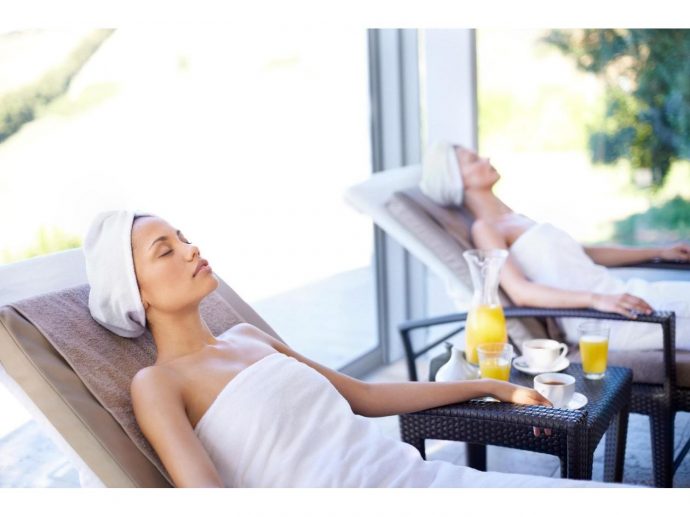
This shift extends beyond architecture as well. Many people are building routines around sleep quality, recovery, movement, mindfulness, and restorative experiences in ways that would once have been considered niche wellness culture. In cities where demanding professional lifestyles often create ongoing stress and physical fatigue, experiences such as massage therapy in San Antonio have become part of a broader movement toward restorative luxury centered on recovery, relaxation, and long-term well-being.
The emphasis is no longer simply on indulgence, but on sustainability and balance.
Time Has Become One of the Most Valuable Luxuries
Perhaps the most significant shift in modern luxury is the growing value placed on uninterrupted time.
Constant connectivity has dramatically changed how people experience daily life. Work messages, social media, digital notifications, and endless information streams often create a sense of continuous mental engagement. Even moments intended for relaxation are frequently interrupted by screens and multitasking.
Because of this, time that feels genuinely restorative has become increasingly rare.
Luxury now often involves creating environments and routines that allow people to disconnect from constant stimulation. Quiet spaces, slower schedules, restorative treatments, and intentional moments of calm have become deeply desirable because they provide relief from lifestyles defined by ongoing acceleration.
The ability to rest without urgency, recover without guilt, and experience stillness without interruption increasingly feels like a privilege in itself.
High Performance Now Includes Recovery
Another reason wellness has become associated with luxury is because high-performance culture itself has changed.
For years, success was often linked to relentless productivity and constant output. Long hours, intense schedules, and visible busyness were frequently interpreted as signs of ambition and achievement.
That mindset is gradually evolving.
Many professionals now recognize that sustainable performance depends heavily on recovery, mental clarity, physical health, and emotional resilience. Burnout, chronic stress, poor sleep, and physical exhaustion ultimately reduce long-term productivity rather than enhance it.
As a result, recovery is becoming integrated into modern success culture rather than viewed as separate from it.
This has influenced everything from travel trends and hospitality design to wellness services and personal routines. More people are intentionally prioritizing experiences that help restore energy, improve sleep, reduce physical tension, and support overall well-being because they understand these factors directly affect performance and quality of life.
Personalized Wellness Is Replacing Generic Luxury
Modern luxury is also becoming more personalized.
Rather than pursuing standardized status symbols, consumers increasingly seek experiences tailored to their individual needs, preferences, and lifestyles. This applies strongly within wellness culture, where personalization now plays a major role in how services and environments are designed.
Some individuals prioritize physical recovery and mobility. Others focus on emotional balance, stress reduction, sleep improvement, or mindfulness. Wellness is becoming less about following trends and more about identifying what genuinely improves personal well-being.
This shift aligns naturally with luxury culture because exclusivity today often comes from customization rather than mass recognition.
Consumers are increasingly drawn toward environments and experiences that feel intentional, restorative, and thoughtfully designed around comfort rather than excess alone.
Hospitality and Travel Are Changing Too
Luxury hospitality has evolved significantly alongside these broader cultural shifts.
High-end hotels and resorts increasingly emphasize wellness amenities, slower experiences, and restorative environments instead of focusing solely on opulence or entertainment. Spas, holistic wellness programs, quiet retreats, recovery treatments, and nature-focused experiences now play central roles in luxury travel planning.
Travel itself is increasingly viewed not only as escape, but as recovery.
Many travelers now prioritize destinations that help them feel mentally refreshed and physically restored rather than simply busy or overstimulated. Wellness tourism has grown rapidly because people increasingly associate luxury with how an experience supports long-term well-being rather than short-term excitement alone.
This broader movement reflects changing attitudes about what people truly value after years of increasingly fast-paced lifestyles.
Emotional Well-Being Is Becoming Part of Luxury Culture
Mental and emotional wellness now influence luxury culture just as strongly as physical comfort does.
People are becoming more aware of how stress, overstimulation, and constant pressure affect emotional balance over time. As a result, environments that create calmness, privacy, emotional ease, and mental relief are becoming highly desirable.
This has influenced design, hospitality, fashion, beauty, and wellness industries simultaneously.
Soft textures, calming color palettes, slower experiences, natural environments, reduced noise, and intentional simplicity increasingly define modern luxury aesthetics because they support emotional comfort rather than sensory overload.
In many ways, luxury is becoming more human-centered and psychologically aware.
Sustainability Is Reshaping Luxury Priorities
Another important aspect of this shift is the growing connection between wellness and sustainability.
Consumers increasingly recognize that constant consumption does not necessarily create fulfillment or well-being. Many now prefer fewer, higher-quality experiences and products that support long-term lifestyle balance rather than excessive accumulation.
This perspective has encouraged luxury brands and consumers alike to focus more heavily on longevity, craftsmanship, intentional living, and overall quality of experience.
Organizations such as Global Wellness Institute continue documenting how wellness-focused consumer behavior is reshaping industries ranging from hospitality and real estate to travel, beauty, and luxury services.
The definition of luxury itself is becoming less centered around visibility and more connected to personal well-being.
Modern Luxury Is Becoming More Meaningful
The evolution of luxury reflects broader changes in how people define success, comfort, and quality of life.
For many individuals today, luxury is no longer measured only through exclusivity or material display. Increasingly, it is associated with balance, privacy, wellness, emotional calm, restorative experiences, and the ability to live more intentionally within demanding modern environments.
Well-being has become central to this transformation because it addresses something increasingly difficult to maintain in fast-paced contemporary life: sustainability for both the body and mind.
As modern lifestyles continue accelerating, luxury will likely become even more connected to experiences that help people recover, reconnect, and protect their long-term physical and emotional well-being rather than simply consume more.
Comments
