Categories more
- Adventures (62)
- Arts / Collectables (14)
- Automotive (77)
- Aviation (65)
- Bath, Body, & Health (123)
- Children (6)
- Cigars / Spirits (71)
- Cuisine (66)
- Design/Architecture (22)
- Electronics (63)
- Entertainment (36)
- Event Planning (115)
- Fashion (45)
- Finance (10)
- Gifts / Misc (6)
- Home Decor (118)
- Jewelry (41)
- Pets (3)
- Philanthropy (1)
- Real Estate (16)
- Services (44)
- Sports / Golf (14)
- Vacation / Travel (85)
- Watches / Pens (33)
- Wines / Vines (34)
- Yachting / Boating (67)



How Outdoor Spaces Transform Urban Living

Published
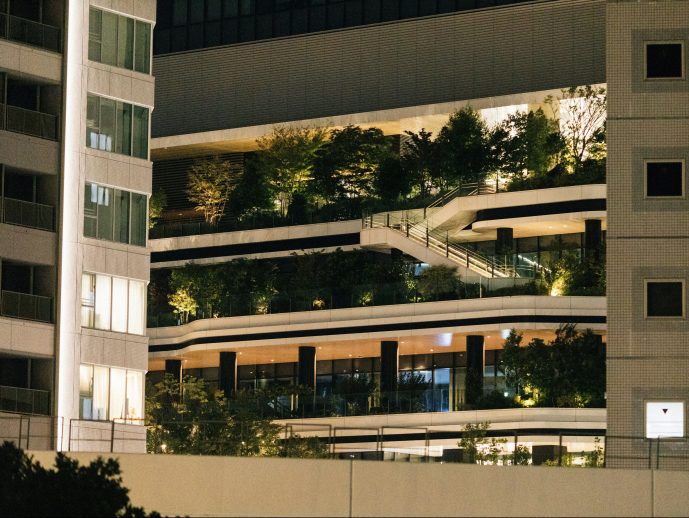
04/08/2026Urban areas, often bursting with life and relentlessly busy, are easy to characterize by their towering skyscrapers and concrete jungles. Yet, below this hard veneer are pockets of green that, when nurtured, have the power to transform the city experience. Outdoor spaces in cities – parks, gardens, and plazas – hold a unique ability to enrich and renew urban living, bringing nature's solace to the heart of the metropolis.
A Breath of Fresh Air
Pollution and stress are perennial companions of city life. However, well-situated outdoor spaces can punctuate the landscape, serving as sanctuaries of clean air. Trees, grass, and plants work tirelessly to improve air quality, acting as natural air filters that absorb pollutants and emit oxygen. This doesn't just make breathing easier but directly impacts public health, reducing respiratory problems and enhancing overall well-being.
Enhancing Aesthetics and Functionality
The design and upkeep of urban outdoor areas are instrumental in their usability. The application of different design elements, such as pathways, seating areas, and flora selections, contributes to an inviting ambiance. For example, to add subtle transformations to your surrounding structures, you could engage a local company like Crash of Rhinos Painting who are stucco painting specialists, to add new color palettes that integrate harmoniously with the natural environment and enhance the architectural appeal of leisure spaces.
Boosting Economy and Livability
Property prices near lush, well-maintained areas often outshine their counterparts. A dynamic marketplace naturally gravitates towards these green zones, stimulating local businesses that thrive on the increased foot traffic and appealing ambiance. Moreover, cities that prioritize and preserve their open spaces consistently chart higher on livability indices, making them more attractive for families, retirees, and young professionals making lifestyle choices.
Furthermore, tourism witnesses a notable boost as these aesthetically pleasing areas attract visitors seeking leisurely reprieve, cultural activities, and vibrant photography opportunities. Restaurants, shops, and service providers located near these green havens see an uptick in business, underscoring the value of integrating nature within the urban landscape.
Social Glue and Community Hubs
In an era marked by digital connections, outdoor spaces offer the tactile experiences that humanity craves. Parks and plazas become bustling hubs where laughter resonates, friendships bloom, and local communities unite. Public places provide the stage for ongoing communal interaction, from children playing to neighbors gathering for weekend picnics. These interactions foster a convivial environment, turning these spaces into critical ingredients in building strong community bonds.
Moreover, these outdoor communal areas also hold the potential to bring individuals from culturally diverse backgrounds together, enriching cultural exchanges and understanding. Whether it's families from different countries sharing traditional dishes during community events or artists displaying their work in public exhibitions, parks, and plazas act as melting pots for celebrating diversity. This harmony and mutual learning foster a sense of unity and collective identity in increasingly multicultural urban settings.
The Call for Thoughtful Design
While the potential benefits are immense, urban planners must employ intentional and forward-thinking design when developing outdoor spaces. This means considering accessibility, inclusivity, and utility for the varied demographic landscape of city populations. Moreover, city planners need to prioritize creating environments that stimulate interaction, offer relaxation, and remain resilient against future challenges.
Healthy Living, Happy Minds
Plentiful studies point to a strong link between access to outdoor areas and improved mental and physical health. Parks offer a free gym under the open sky, urging us all to put away our screens and engage in fitness activities. Joggers, yogis, and bikers find their routines revitalized here. Additionally, simply spending time in these green sanctuaries lifts spirits and reduces stress.
Being immersed in nature also spurs creativity and cognitive functioning, providing an ideal backdrop for individuals seeking solace for introspection. Artists, writers, and thinkers alike can benefit from the tranquil setting, channeling inspiration that often gets drowned in the concrete and constant movement of urban life.
Urban Agriculture: Planting the Seed of Sustainability
Community gardens, scattered across urban centers, partake in reshaping how people perceive and source their food. Urban agriculture is emerging as an impactful method to educate citizens about sustainability, reduce food miles, and empower individuals by offering direct access to fresh fruits and vegetables. It's a movement that not only provides practical benefits but also nurtures a deeper connection with the environment.
Beyond food production, these gardens are also spaces for residents to connect, share knowledge, and work towards common goals. The collaborative effort enhances civic engagement and personal responsibility while fostering an ethos of care for one's surroundings. Such projects also often incorporate educational programs for children, instilling in them habits of lifelong ecological mindfulness and responsibility.
Wildlife Bridges in a Concrete Jungle
Outdoor spaces take on the added responsibility of conserving biodiversity in cities. These areas frequently serve as natural habitats for birds, insects, and small mammals. Nature enthusiasts can glimpse rare and diverse species, igniting a collective appreciation for fauna amid the urban sprawl. This coexistence enriches life for both humans and animals, adding layers of wonder and curiosity.
Takeaways
Outdoor spaces in urban areas aren't just nice-to-haves; they're vital for thriving cities. These refuges of nature and greenery promise a refreshing reprieve, a place for interaction, and a stepping stone toward a healthier, more connected life. As cities continue to grow and evolve, the integration and preservation of such spaces should be at the forefront of urban development, charting a path toward more sustainable and happy city living.
Comments
