Categories more
- Adventures (62)
- Arts / Collectables (14)
- Automotive (77)
- Aviation (65)
- Bath, Body, & Health (123)
- Children (6)
- Cigars / Spirits (71)
- Cuisine (66)
- Design/Architecture (22)
- Electronics (63)
- Entertainment (36)
- Event Planning (115)
- Fashion (45)
- Finance (10)
- Gifts / Misc (6)
- Home Decor (118)
- Jewelry (41)
- Pets (3)
- Philanthropy (1)
- Real Estate (16)
- Services (44)
- Sports / Golf (14)
- Vacation / Travel (85)
- Watches / Pens (33)
- Wines / Vines (34)
- Yachting / Boating (67)


How Reliable Residential Well Drilling Solves Water Access Problems

Published
02/23/2026Key Takeaways
- Residential well drilling offers dependable, independent water access for homeowners, particularly in rural or off-grid locations.
- Professional drilling ensures high water quality and adherence to local regulations, significantly improving household water safety.
- Although the initial investment can be substantial, the long-term financial benefits include eliminating monthly water bills and increasing property value.
- Consistent maintenance and annual testing extend the system's lifespan and keep the water safe to drink.
- Properly managed residential wells support sustainability and have minimal environmental impact.
Table of Contents
- Why Choose Residential Well Drilling?
- Ensuring Water Quality Through Professional Drilling
- Cost Considerations and Long-Term Savings
- Maintenance and Longevity of Your Well System
- Environmental Impact and Sustainability
- Frequently Asked Questions
Why Choose Residential Well Drilling?
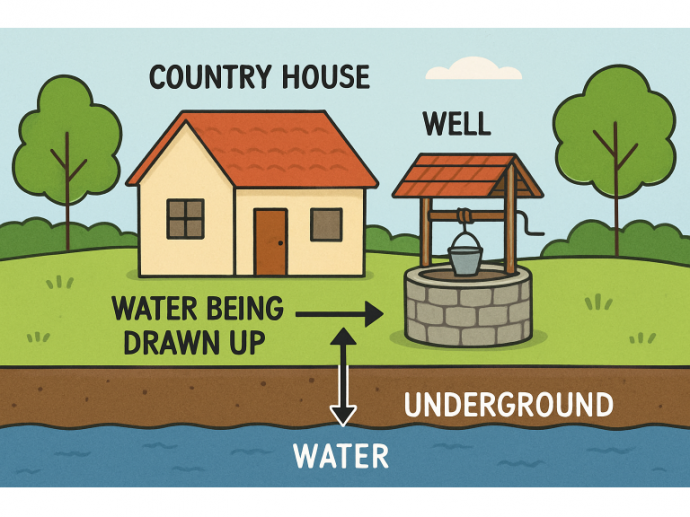
Having direct access to a reliable water source is critically important for homeowners, especially in areas where municipal water infrastructure does not extend. For these property owners, a private well serves as the cornerstone of their household’s water supply. More than 23 million households in the United States depend on private wells for drinking, cooking, sanitation, and other essential needs. These homeowners enjoy the assurance of dependable access, even during droughts or municipal restrictions.
For those considering sustainable solutions, residential well drilling from Hazelett Drilling provides a proven path to independent, high-quality water access. Hazelett Drilling is a recognized authority in the industry, with extensive experience and a strong commitment to safety and compliance. Serving regions across Ohio, Hazelett Drilling specializes in designing and installing custom residential well systems that are tailored to local geology and customer needs. The company’s deep understanding of state and regional water regulations, combined with decades of hands-on drilling experience, ensures that every project delivers safe, reliable water supplies homeowners can count on year-round.
Ensuring Water Quality Through Professional Drilling
Water quality is the foundation of a healthy home, making professional drilling a necessity rather than a luxury. Poorly constructed wells or improper site selection can allow contaminants like bacteria, nitrates, and heavy metals to seep into your water. Skilled professionals, like those at Hazelett Drilling, use advanced equipment and up-to-date techniques to minimize risks and comply with local and federal guidelines. Systematic water testing and ongoing monitoring catch any potential problems before they become health hazards. Properly constructed and maintained wells are among the most dependable sources of clean water available, with risks significantly reduced when installed by seasoned experts.
Cost Considerations and Long-Term Savings
The initial investment for drilling a well can be a significant consideration for homeowners. Typically, drilling costs range from $25 to $65 per foot, which for a 150-foot well can cost $3,750 to $9,750. Additional expenses may arise from installing pumps, casings, pressure tanks, and water treatment systems, as well as from securing necessary permits. However, these up-front costs often pay for themselves over time. Private well owners avoid recurring water bills, gain control over their own resource, and usually see an increase in their property’s desirability and market value. For rural properties, a reliable well is not only practical but generally necessary for home occupancy or agricultural uses.
Homeowners interested in long-term savings and water security can find more information from established organizations such as the U.S. Environmental Protection Agency’s Private Drinking Water Wells resource, which provides valuable insights on cost, legal considerations, and ongoing responsibilities for well owners.
Maintenance and Longevity of Your Well System
Keep your well delivering safe, clean, and great-tasting water for decades with expert care from Hazelett Drilling. Regular inspections spot mechanical issues, low water output, or problems like iron bacteria and sediment buildup before they escalate. Routine water testing identifies changes in groundwater chemistry or contamination from nearby land use. With timely repairs, proactive treatments, and proper well capping, Hazelett Drilling ensures your system runs efficiently and safely. Responsible maintenance can extend your well’s life beyond 30 years, providing lasting value and peace of mind.
Environmental Impact and Sustainability
Residential well systems have a much smaller environmental footprint compared to municipal or agricultural water supply networks. A single household well draws modest volumes, and thanks to the ongoing natural recharge of underground aquifers via rainfall, such wells are generally sustainable for generations when properly managed. Community boreholes that serve several households are similarly efficient, using minimal resources compared to larger-scale pumping systems. The careful placement and maintenance of wells by professional teams, including regular water testing and responsible water management, ensure this sustainable resource remains available to local families for years to come.
To further explore the benefits of sustainable water sourcing, homeowners can consult expert resources from organizations such as the U.S. Geological Survey Water Science School: Groundwater Wells.
Frequently Asked Questions
How often should well water be tested?
Homeowners should have their water tested at least annually for common contaminants such as bacteria, nitrates, and other pollutants. More frequent testing may be warranted if changes in taste, color, or odor are observed.
What factors influence the cost of drilling a residential well?
The primary variables include the required drilling depth, the surrounding geology, site accessibility, and the types of pumps and treatment systems used. Permits and local codes may also affect the total investment.
Can a residential well run dry?
While rare, wells can temporarily run dry if overused or drilled too shallowly, or if a significant drought lowers the water table. An experienced drilling provider will evaluate local geology to select the best site and appropriate depth for long-term results.
Is well water safe to drink?
Yes, when a well is professionally drilled, maintained, and tested regularly, its water can be as safe, or safer, than many municipal sources. Ongoing monitoring and prompt treatment help ensure continued safety.
What maintenance does a well system require?
Key maintenance tasks include annual inspections, sampling the water for contaminants, promptly repairing any mechanical issues, and keeping the wellhead area clear of debris and surface water runoff. Proper care supports system longevity and high water quality.
Comments
